


The Quiet Play in Produced Water
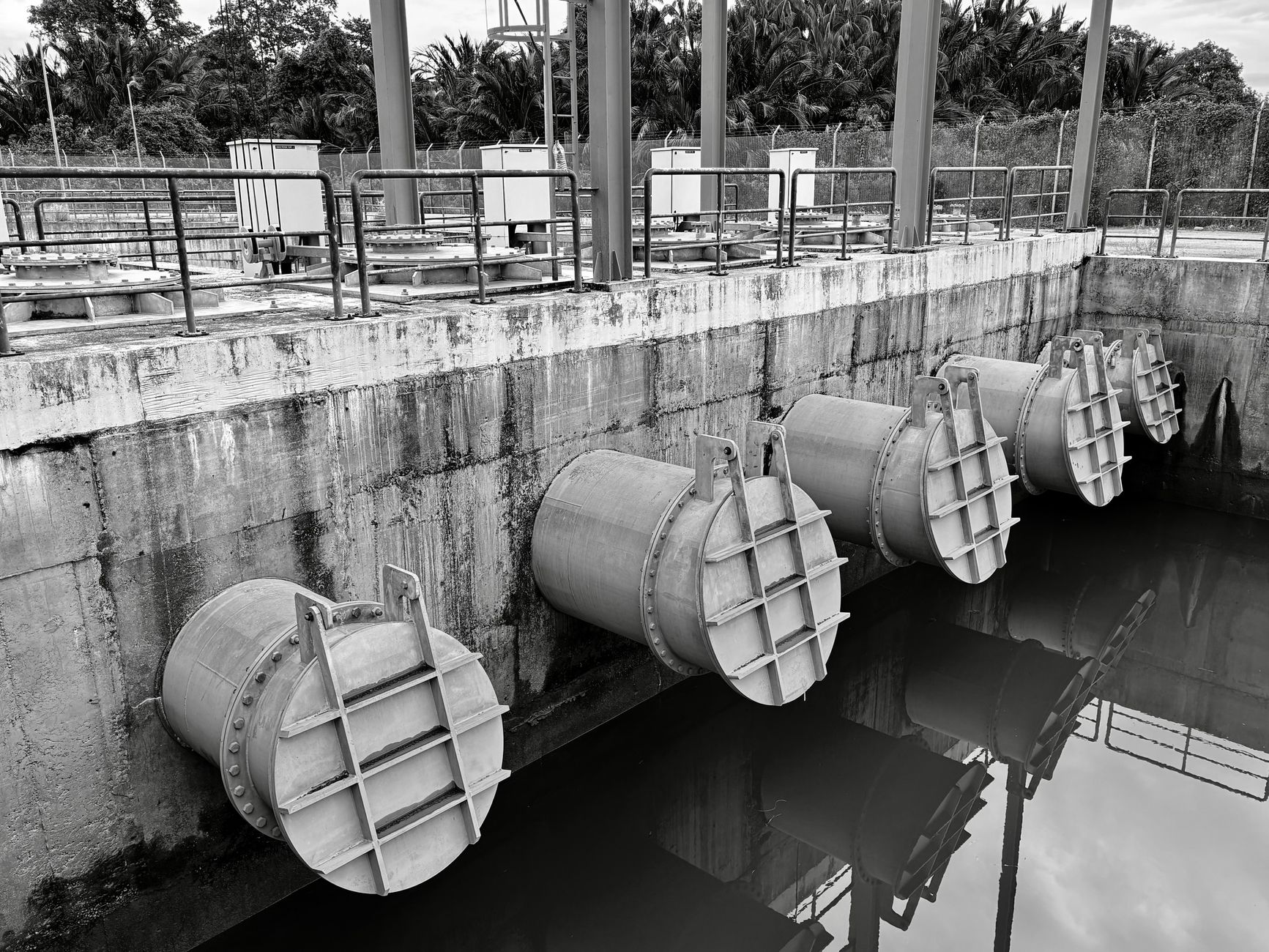
Produced water – the brine and chemical-laced fluid that comes up alongside oil and gas from underground formations – has long been treated as a liability. Operators pay to dispose of it, inject it back underground, or truck it to treatment facilities. But a growing number of family offices are looking at that same water and seeing something else entirely: a royalty stream.
The structure works similarly to mineral royalty agreements in oil and gas. A family office or private investment vehicle acquires the rights to a percentage of produced water volumes handled at a given facility or across a set of wells. The operator continues running the infrastructure. The investor collects a cut based on volume, often with contractual floors that protect against production dips. It is passive income tied to an industrial process that does not stop simply because commodity prices fall.
This is not a retail investment category.

Why Produced Water, and Why Now
The Permian Basin alone generates tens of millions of barrels of produced water every day. As drilling activity has intensified and formations have matured, water-to-oil ratios have climbed – meaning operators pull up more water per barrel of crude than they did a decade ago. That volume problem for operators translates directly into revenue opportunity for anyone positioned on the royalty side of the equation. The more water moves through a system, the larger the royalty check.
Regulatory pressure is also driving interest. Several western states have tightened rules around disposal well permits, limiting how much produced water operators can simply reinject into the ground. That constraint has accelerated investment in surface treatment, recycling infrastructure, and eventually potential reuse markets for agriculture and municipal supply – though commercial reuse at scale remains in early stages. Each new treatment pathway creates another point where a royalty structure could attach. Family offices that move now are betting they can lock in agreements before those markets formalize and pricing becomes competitive.
The appeal for family offices specifically – rather than larger institutional players – comes down to deal size and opacity. Produced water royalty agreements are often negotiated privately, without public disclosure, at values that suit the scale of a single-family investment office rather than a pension fund allocation. A family office can acquire a meaningful stake in a regional water handling agreement for amounts that would not register as a line item for a large fund, but that could generate consistent cash flow for years without requiring active management.
How the Structures Actually Work
The mechanics vary, but the core model involves a family office providing upfront capital – either to an operator needing to build out water handling capacity, or to a midstream company that already owns the infrastructure – in exchange for a perpetual or long-dated royalty on volumes processed. Some agreements are structured as net profits interests. Others are pure volumetric royalties with no connection to the operator’s cost structure. The volumetric version is generally preferred because it insulates the royalty holder from cost inflation on the operator’s side.
Due diligence in this space requires understanding subsurface geology, regulatory permit status, and counterparty creditworthiness in ways that go beyond standard financial analysis. An agreement tied to a basin where disposal capacity is constrained and new permits are unlikely carries different risk than one attached to a region with abundant injection capacity. Family offices taking positions in this space are typically working with advisors who have technical backgrounds in petroleum engineering or environmental compliance, not just finance.
Those familiar with how sovereign wealth funds have approached sulfur mine royalty streams will recognize a similar logic at work here – industrial byproduct flows that look like waste from one angle and contracted income from another. The royalty layer sits above operations, indifferent to who runs the equipment or what it costs them to do so.
Risk, Liquidity, and the Long Game
These positions are illiquid by nature. Unlike publicly traded royalty trusts, privately negotiated produced water agreements cannot be sold in a day. A family office entering this space needs a multi-year horizon and the willingness to hold through periods where an operator restructures, where a basin slows production, or where regulatory changes force a renegotiation of water handling permits. The upside is that illiquidity typically comes with a pricing discount at entry – meaning family offices that can afford to be patient tend to acquire these streams at better terms than institutional buyers who face redemption pressures.
Volume risk is real. If an operator curtails production or a basin enters decline, royalty volumes drop. Some agreements include minimum volume guarantees, but those guarantees are only as strong as the counterparty behind them. A royalty tied to a financially stressed operator in a marginal basin is a different asset than one tied to a major producer in the core Permian. Pricing the difference between those two scenarios is where most of the analytical work happens.
Environmental and political risk rounds out the picture. Produced water reuse legislation is advancing in some states, which could open new revenue pathways – but it could also introduce new regulatory layers that affect how royalties are calculated or what facilities can charge. Some family offices view the regulatory uncertainty as a reason to wait. Others view it as the condition that keeps larger, more bureaucratic investors on the sidelines and keeps entry pricing attractive.

What makes this category worth watching is not the size of individual deals but the pattern of who is doing them. Family offices rarely cluster around an asset class without a structural reason, and produced water royalties offer something genuinely difficult to find right now: a cash flow stream that is not correlated to public equity markets, not dependent on a single commodity price, and not yet crowded with institutional capital chasing the same terms. The moment that changes, the entry pricing that makes the strategy work will compress – and the family offices already holding agreements will be the ones collecting on that compression.