Pension Funds Quietly Build Exposure to Potash Pipeline Throughput Agreements

The Quiet Reallocation Nobody Is Talking About
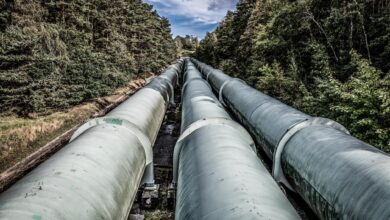
Potash pipeline throughput agreements are not the kind of asset that generates headlines at investment conferences. They sit in the infrastructure corner of institutional portfolios, rarely discussed outside of technical due diligence meetings. But over the past several years, a growing number of pension funds have been quietly shifting capital into these contracts, treating them less like a commodity bet and more like a long-duration income stream with built-in demand support.
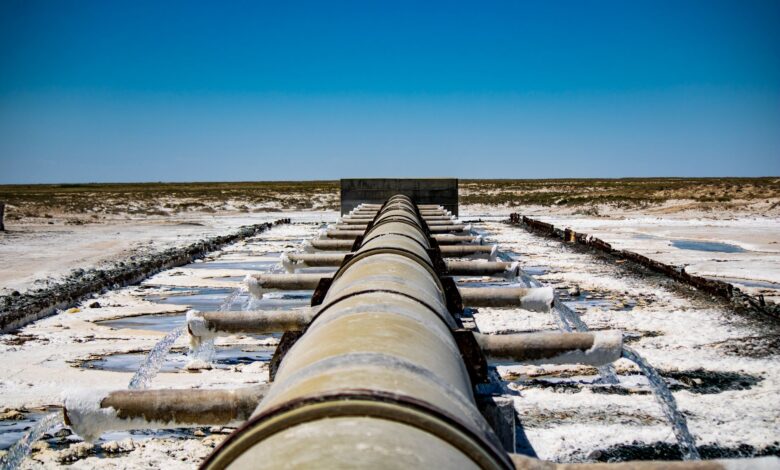
The logic is straightforward. A throughput agreement obligates a shipper to pay pipeline fees regardless of whether they actually move product through the pipe – a structure known as “ship or pay.” For a pension fund managing decades-long liabilities, that kind of contractual cash flow, indexed in many cases to inflation adjustments, is exactly the profile actuaries dream about.
This is infrastructure investing stripped to its mechanical core.
Why Potash, Why Now
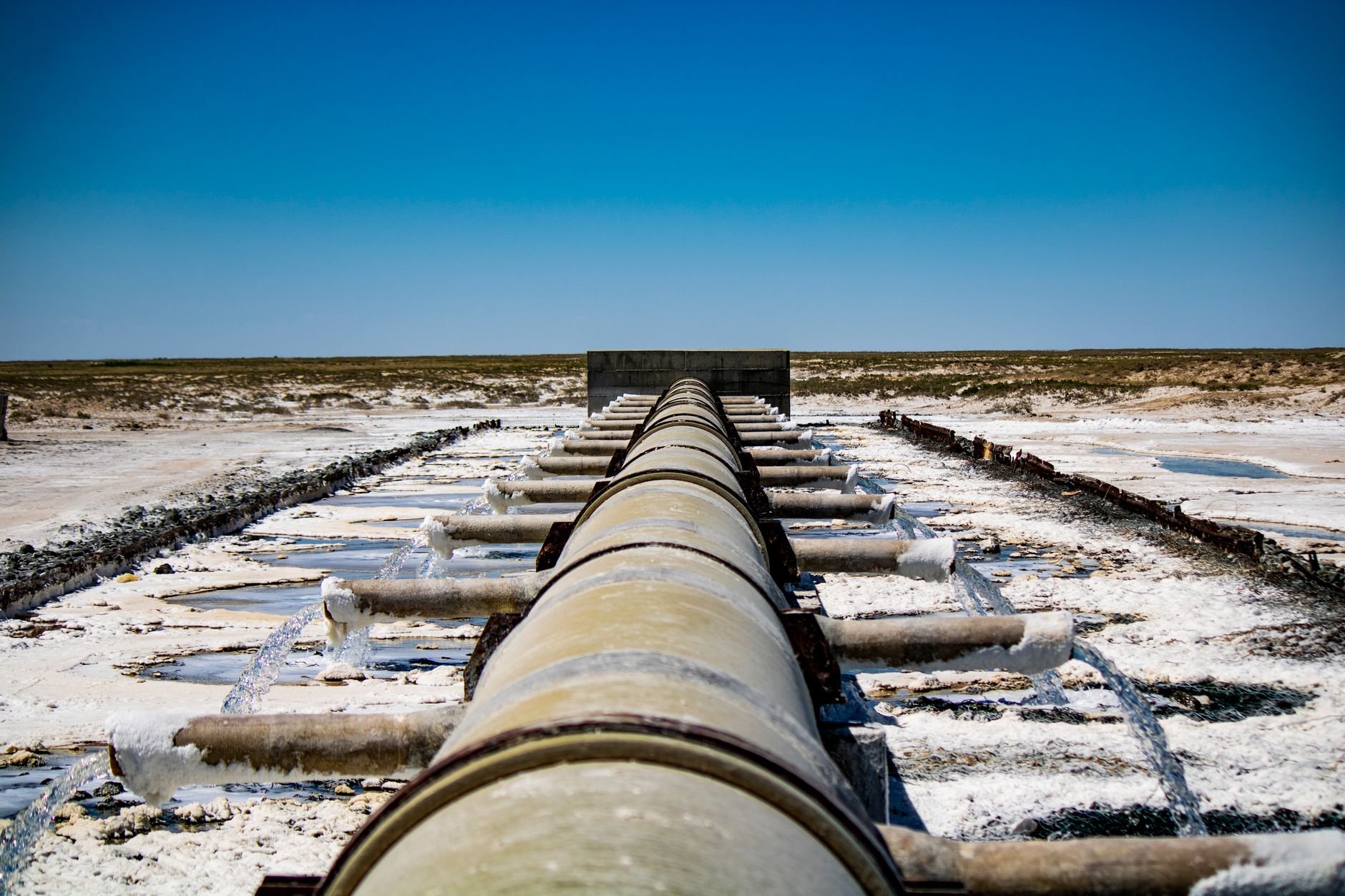
Potash occupies a specific position in global agriculture that makes its pipeline infrastructure particularly attractive to long-term capital. As a key input in fertilizer production, potash demand does not move in tight correlation with equity markets or short economic cycles. Crop cycles, population growth, and soil depletion trends drive consumption far more than GDP fluctuations. That non-correlation is exactly what pension funds are paying for when they buy exposure to throughput agreements – they are not betting on potash prices, they are betting on the physical necessity of moving the mineral from mine to port.
Canada’s Saskatchewan basin and Russia’s Ural deposits together account for the majority of global potash supply, and both regions depend on long-haul pipeline and rail infrastructure to reach export terminals. The contracts governing access to that infrastructure – particularly in Saskatchewan, where Canpotex and major producers like Nutrien operate extensive logistics networks – have started attracting capital from public pension systems looking for stable cash flow outside of traditional fixed income. With bond yields having compressed dramatically over the prior decade, and real yields in many markets still below long-term liability targets, throughput agreements offer something government bonds stopped providing: predictable, inflation-linked returns backed by physical infrastructure rather than sovereign credit.
A secondary driver is the contractual structure itself. Unlike equity stakes in mining companies, throughput agreement exposure insulates investors from commodity price volatility almost entirely. If potash prices collapse, producers may struggle, but the pipeline still gets paid under a ship-or-pay clause. That separation between commodity performance and infrastructure income is what makes these instruments function more like toll roads than mining royalties – a distinction pension allocators have increasingly come to appreciate. For a related look at how institutional capital is pursuing similar insulation strategies in other commodities, sulfur royalty streams have attracted comparable attention from funds seeking non-correlated income.
Structuring the Exposure
Pension funds rarely access throughput agreements directly. The more common route runs through infrastructure funds, private credit vehicles, or direct project finance partnerships with pipeline operators. A fund might participate as a limited partner in a vehicle that holds a portfolio of midstream contracts spanning potash, natural gas liquids, and agricultural commodities – giving it throughput exposure without the regulatory complexity of owning pipeline infrastructure outright. In Canada specifically, provincial pension funds have moved closer to direct investment, given their domestic familiarity with the regulatory environment and existing relationships with resource sector operators.
The duration profile of these agreements matters enormously to how they function in a pension context. Long-term throughput contracts – those running fifteen to thirty years with renewal options – align closely with the liability horizons of public pension systems managing payouts that extend well into the 2040s and 2050s. A pension fund covering state or municipal employees can model a throughput income stream against its actuarial assumptions with a degree of precision that equity investments simply do not allow. The cash flows are defined, the counterparties are typically investment-grade producers, and the underlying infrastructure is capital-intensive enough that replacement competition is practically nonexistent in established basins.
There is a less discussed dimension to this trend worth examining directly: currency and geopolitical risk management. Canadian potash infrastructure, denominated in Canadian dollars, provides pension funds in the United States with a natural hedge against domestic inflation while keeping counterparty risk in a stable regulatory jurisdiction. Funds that previously leaned heavily on domestic fixed income to meet liability projections are finding that a small allocation to Canadian midstream throughput agreements – perhaps two to four percent of total assets – improves their liability-matching efficiency without dramatically increasing overall portfolio risk. It is the kind of quiet optimization that does not appear on quarterly earnings calls but shows up in actuarial reports five years later as unexplained outperformance.

The Risks That Come With the Territory
No institutional allocation is without its complications. Throughput agreements carry counterparty risk tied directly to the solvency and operational continuity of the producing companies obligated under the contracts. If a major potash producer faces financial distress, restructures its operations, or curtails mine output, the ship-or-pay mechanism becomes a legal argument rather than an automatic cash deposit. Litigation risk in contract disputes, particularly across international jurisdictions, adds a layer of complexity that smaller pension systems without dedicated legal infrastructure may be poorly equipped to manage. The illiquidity of these positions is also a genuine constraint – once capital is committed to a throughput structure, exiting before contract maturity typically requires finding another institutional buyer, a process that can take years and often involves significant price negotiation.
Regulatory exposure is the other variable that pension allocators tend to underweight. Pipeline infrastructure sits at the intersection of environmental policy, Indigenous land rights, and provincial or federal energy regulations – and all three of those areas have grown more contested, not less, across North American jurisdictions. Saskatchewan’s regulatory environment has historically been stable and producer-friendly, but that stability is not guaranteed indefinitely, particularly as federal climate policy in Canada continues to evolve. A fund that modeled a thirty-year throughput agreement on today’s regulatory assumptions may find that permitting requirements, carbon pricing mechanisms, or route modifications introduce cost variables that erode the margin the original contract was supposed to protect.
Despite those friction points, the capital flow into this corner of the infrastructure market shows no sign of reversing. The pension funds that began building these positions quietly – without press releases, without thematic investing narratives, without conference panels dedicated to the potash logistics opportunity – are now sitting on multi-year income streams that traditional fixed-income markets cannot replicate at current yield levels. The funds still on the sidelines face a straightforward problem: the longer they wait, the fewer original-term agreements are available at entry prices that justify the complexity, and secondary market acquisition costs for existing throughput positions have been climbing steadily as more institutional buyers recognize what was hiding in plain sight.
Frequently Asked Questions
What is a potash pipeline throughput agreement?
It is a contract obligating a shipper to pay pipeline fees whether or not they move product, known as a ship-or-pay structure, providing predictable income to infrastructure owners.
Why are pension funds interested in potash throughput agreements?
These agreements offer long-duration, contractually defined cash flows that align with pension liability horizons and are largely insulated from commodity price swings.