


Cell tower easements – the legal rights that allow wireless carriers to place equipment on private land – have quietly become a target for family office capital looking for inflation-protected, long-duration income streams that sit well outside the public markets.
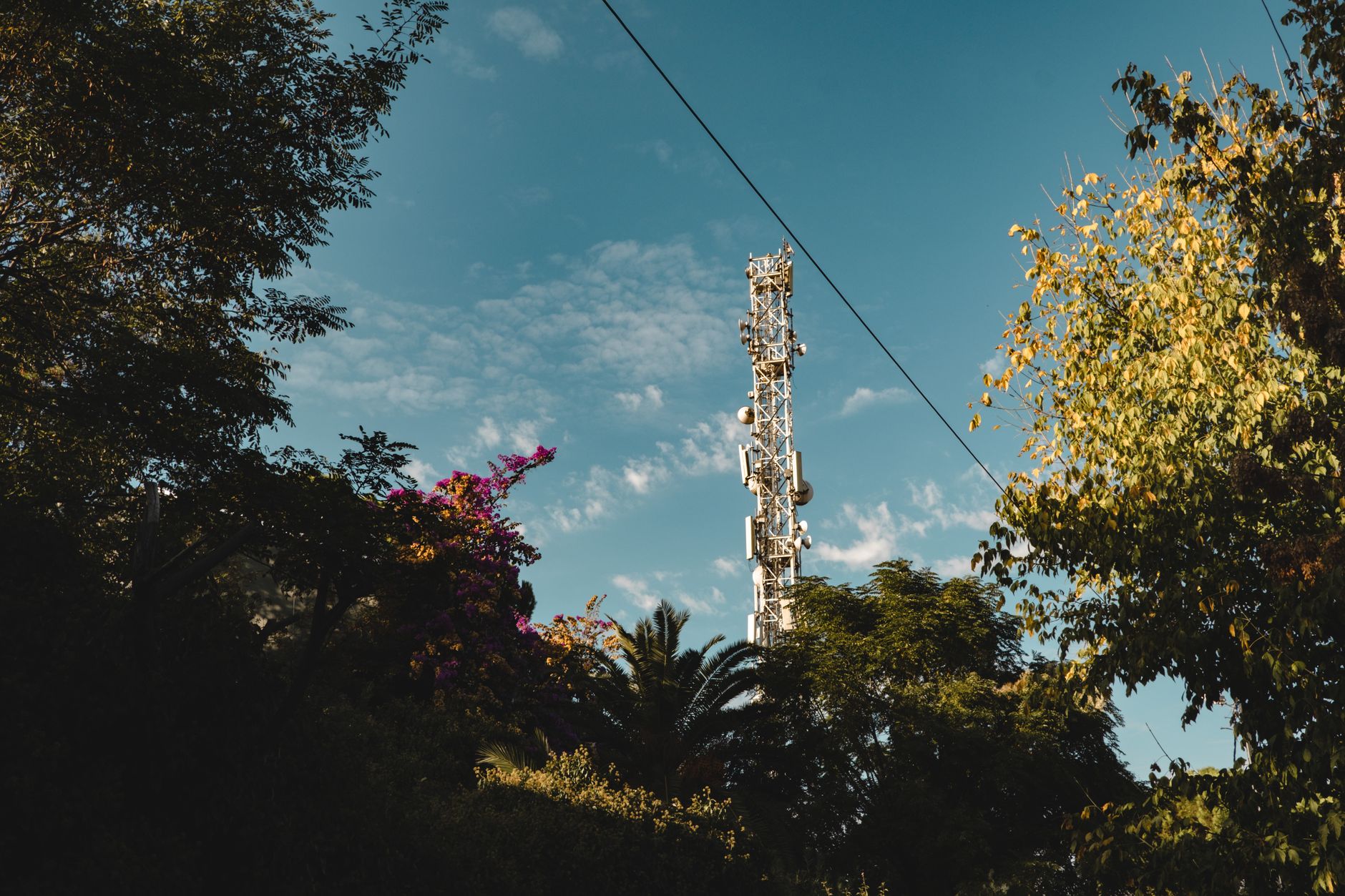
Why Cell Tower Easements Are Attracting Serious Capital
A cell tower easement is not the same as owning a tower. When a landowner grants an easement to a wireless carrier, they receive a recurring lease payment in exchange for allowing equipment on their property. The carrier owns the infrastructure; the landowner holds the underlying real property right. What family offices are now buying is the income stream attached to that easement – either directly from landowners who want a lump sum today, or through intermediary vehicles that aggregate dozens or hundreds of these cash flows into a single position.
The appeal is structural. Wireless carriers – AT&T, Verizon, T-Mobile, and the tower companies they lease from like American Tower and Crown Castle – have historically been reliable counterparties. They rarely abandon sites because relocating equipment is expensive and technically disruptive. Lease terms often include automatic annual escalators tied to CPI or fixed percentages, which means the income grows every year without any active management required. For a family office managing multigenerational wealth, that combination of counterparty quality and inflation linkage is genuinely difficult to replicate in fixed income at current spreads.
The secondary market for these easements has been building for over a decade, largely driven by specialty acquisition companies that cold-call landowners and offer upfront buyouts. Those companies then bundle the acquired income streams and sell them to institutional investors. Family offices have started bypassing that middleman layer entirely, working directly with landowners or acquiring small portfolios from acquisition firms before they reach the securitization stage. That earlier entry point means better pricing and fewer layers of fee drag.
The income profile also benefits from what might be called benign neglect – once an easement is in place and a carrier is operational on a site, the default behavior for both parties is to do nothing. Renewals happen automatically. Escalators trigger without negotiation. There is no tenant turnover, no capital expenditure for repairs, and no leasing commission on renewals. For wealth managers running lean back-office operations, that low-maintenance cash flow is a significant operational advantage over direct real estate or private credit positions that require active monitoring.

How Family Offices Are Structuring These Positions
The mechanics of building a cell tower easement portfolio vary by family office size and sophistication. Smaller offices – those managing under $500 million – often access the space through private funds run by specialty managers that focus exclusively on wireless infrastructure income. These funds typically target net yields in the mid-single digits, with the inflation escalator providing a growing income floor over time. The trade-off is illiquidity: fund structures usually lock capital for seven to ten years with limited secondary market options.
Larger family offices with dedicated legal and real estate teams are increasingly doing direct acquisitions. This means identifying landowners through title searches, approaching them with buyout offers, conducting due diligence on the underlying lease terms and carrier creditworthiness, and holding the easement on balance sheet as a long-duration asset. The legal work is specialized – easement law varies by state, and the documentation governing wireless lease rights is dense – but offices that have done a handful of deals describe the process as repeatable once the initial infrastructure is in place.
A growing number of family offices are also acquiring positions through the secondary market for easements that have already been securitized or sold into structured vehicles. This is essentially buying a fractional interest in a portfolio of wireless income streams, similar in structure to buying a commercial mortgage-backed security but with wireless carrier credit rather than real estate operator credit as the underlying risk. Pricing in this secondary market is less transparent than public credit markets, which creates both risk and opportunity for buyers who can do independent valuation work.
The tax treatment adds another layer of appeal. Easement income is generally characterized as ordinary income, but in certain structures – particularly where the acquisition involves a fee simple purchase of the underlying land with an easement carved out – there may be depreciation benefits available. Family offices with access to sophisticated tax counsel are structuring these acquisitions to maximize after-tax yield, which can meaningfully change the return comparison against municipal bonds or other tax-advantaged alternatives. This is an area where the complexity of the asset class actually favors well-resourced buyers over retail investors. It’s also worth comparing to how hedge funds have approached broadband spectrum leases, another category of wireless infrastructure income that shares some of the same counterparty dynamics.
Risk management in these portfolios centers on a few specific concerns. Technology obsolescence is the most frequently cited: if wireless networks eventually consolidate to fewer, more powerful sites rather than many distributed towers, some locations could see carrier departures. The 5G buildout has actually increased demand for tower density in many markets, but the long-term trajectory of network architecture is genuinely uncertain. Concentration risk is another issue – a portfolio heavily weighted toward a single carrier or a single geographic market carries more idiosyncratic risk than one spread across multiple carriers and regions. Family offices building direct portfolios are setting explicit diversification targets by carrier and by state to manage this.
The Broader Shift in How Family Offices Approach Infrastructure Income
Cell tower easements sit within a larger pattern of family office capital moving toward what might be described as “boring infrastructure” – assets that generate predictable, contractual cash flows with minimal operational complexity. Toll roads, water rights, utility easements, and now wireless infrastructure income have all attracted serious institutional attention for the same underlying reasons: long contract terms, creditworthy counterparties, and limited sensitivity to economic cycles. The willingness to do the legal and structural work required to access these assets directly – rather than paying a private equity fund to do it – is what separates the more sophisticated family offices from those still relying on traditional alternatives allocations.

What makes cell tower easements somewhat unusual within this category is the asymmetric information advantage still available to direct buyers. Most landowners receiving wireless lease payments have no clear sense of the market value of their income stream, and most financial advisors serving those landowners have no framework for evaluating buyout offers. That information gap has historically benefited acquisition companies, and now it benefits family offices willing to build the expertise to operate in the space. Whether that gap narrows as the asset class attracts more capital – and more competition for deals – is the question that will determine whether current pricing holds.