

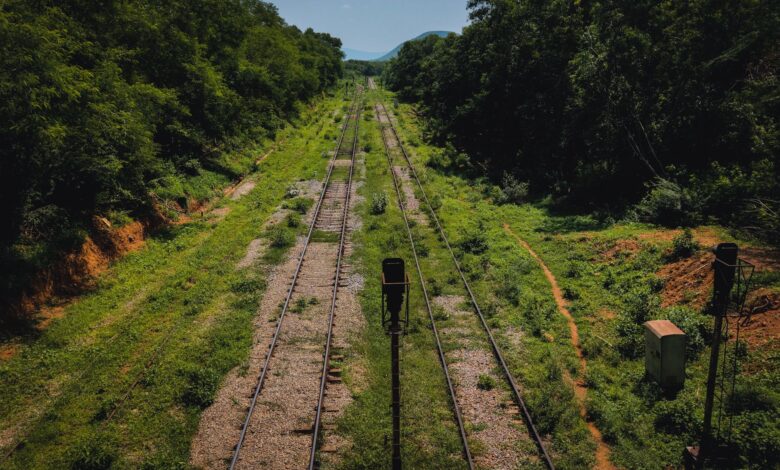
Railroad corridor easements – the legal rights granted to railroads to operate across private land – have sat quietly on balance sheets for over a century, generating almost no investor interest. That is changing fast.
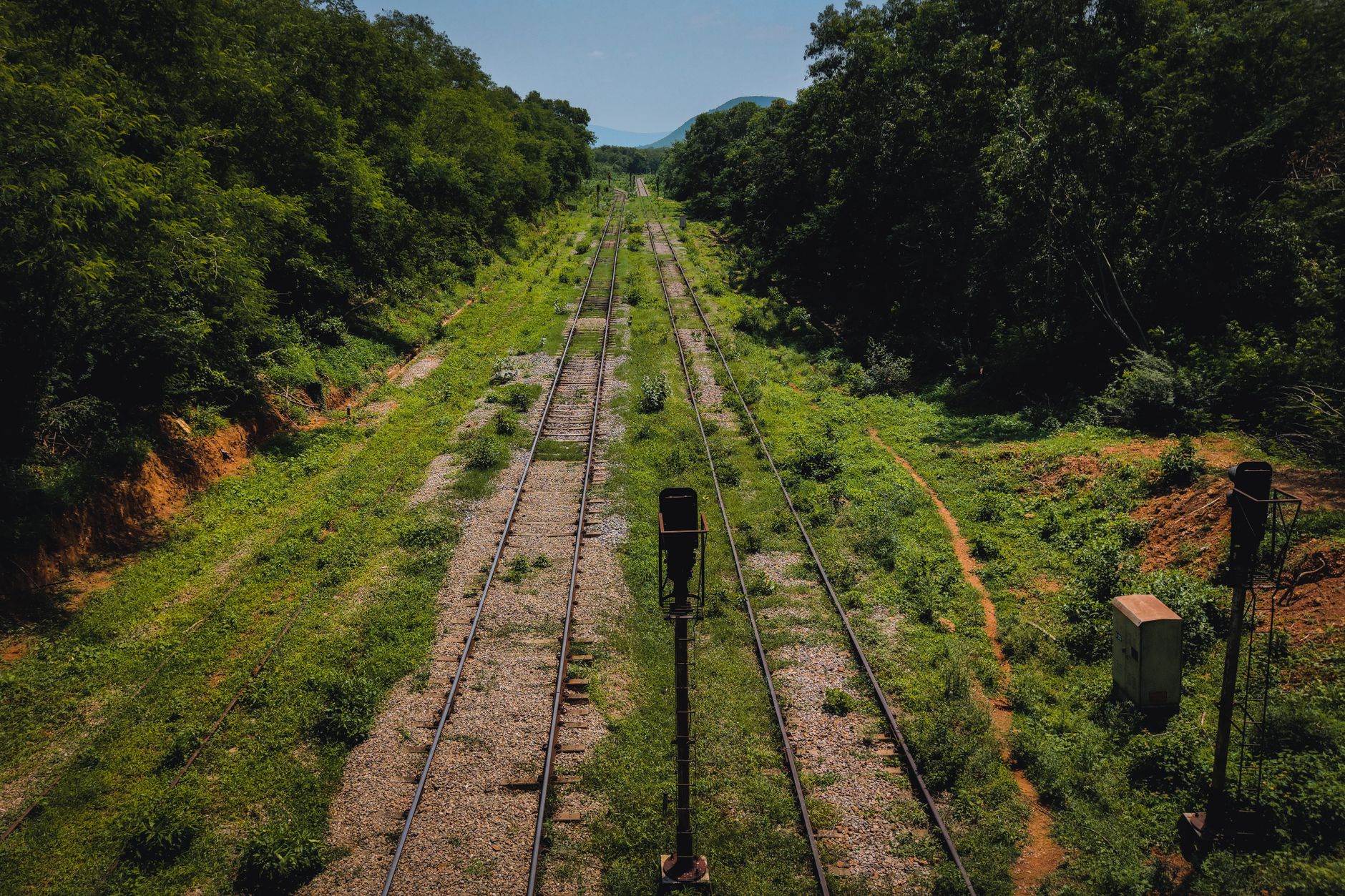
Why Easements Are Getting a Second Look
The physical corridors that railroads occupy stretch across tens of thousands of miles of American land, cutting through urban centers, agricultural plains, and resource-rich territories. The easement itself – the right to use that strip of land for rail purposes – is a distinct legal instrument from the land beneath it. When a railroad abandons a line or sells off operating rights, those easements often survive as separable assets, and that separation is exactly what certain hedge funds are now exploiting.
What makes these easements attractive is a combination of factors that rarely appear together in a single asset class: long legal duration, low carrying costs, and optionality tied to infrastructure buildout cycles. A corridor easement crossing suburban or exurban land that was worthless in 1985 may now sit directly in the path of a fiber optic deployment, a pipeline reroute, or a municipal transit expansion. The easement holder – not the landowner – controls whether that secondary use happens, and at what price.
This dynamic has drawn attention from funds that specialize in what the industry broadly calls “infrastructure royalties” – positions that generate passive income or capital appreciation tied to physical infrastructure without requiring the fund to own or operate the underlying asset. The playbook is not unlike what hedge funds have applied to broadband spectrum leases, where the right to use a resource, not ownership of it, drives value.
The accumulation is quiet by design. Easement transactions are typically recorded at the county level, not reported to federal regulators, and rarely appear in earnings calls or portfolio disclosures. A fund can build a substantial position across dozens of corridors before any competitor realizes the strategy is in play. That informational asymmetry is part of the attraction.

The Mechanics of Building a Position
Acquiring railroad corridor easements is not like buying stock. There is no exchange, no consolidated pricing, and no standardized contract. Funds pursuing this strategy typically work through a combination of title research, direct negotiation with railroad holding companies, and purchases from smaller landholders who inherited easement rights without fully understanding their value. The due diligence alone can take months per corridor segment.
Once acquired, an easement position generates value through multiple channels. The most straightforward is sublicensing – granting a telecom company, pipeline operator, or utility the right to use the corridor for a fee. Railroads have done this for decades, and the infrastructure need has only grown. Fiber deployment alone has created enormous demand for existing rights-of-way because the permitting burden for a new corridor is prohibitive. An easement holder who already controls the legal right-of-way can charge a significant premium over what open-land permitting would cost.
There is also a less obvious channel: appreciation driven by rezoning and transit policy. When a city or regional transit authority decides to convert an abandoned rail corridor into light rail or bus rapid transit, the easement holder’s position becomes a direct negotiating counterparty. The authority cannot simply build over an active easement without either purchasing it or negotiating a license. That creates a hard floor on valuation – one set not by market sentiment but by the transit agency’s project timeline and political pressure to deliver.
The legal structure of the easement itself matters enormously. Some railroad easements were written as perpetual, while others expire upon abandonment of rail use. Funds doing this correctly are buying only the perpetual or convertible-purpose variety, which survive changes in rail operations. This requires granular legal review of 19th and early 20th century property documents, many of which were recorded inconsistently across different jurisdictions. The funds with the strongest in-house real estate legal teams have a meaningful edge over generalist competitors who underestimate that complexity.
The return profile is unusual for a hedge fund strategy. There is typically a dormant period – sometimes years – where the easement generates little income while the fund waits for a triggering event: a telecom buildout, a transit proposal, an energy corridor designation. The payoff, when it comes, can be disproportionate to the initial cost because the easement was priced without anticipation of that specific use case. It is a patient capital strategy that does not fit neatly into a quarterly return framework, which is why it has historically been ignored by funds with short redemption windows.
Risk Factors That Are Not Getting Enough Attention

The strategy carries genuine legal risk that the accumulation frenzy may be underpricing. State courts have not been uniform in upholding easement holder rights against landowner challenges, particularly when the secondary use – say, a fiber cable – is argued to fall outside the original railroad purpose. Several states have seen litigation where landowners successfully argued that a telecom sublicense exceeded the scope of a rail easement, effectively voiding the income stream the fund was counting on. Buying an easement without ironclad legal clarity on permissible secondary uses is buying a lawsuit.
There is also a concentration risk that is structural to the strategy. The most valuable corridor segments – those near growing metro areas or along established energy infrastructure paths – are finite. Once those positions are taken, new entrants face diminishing returns on the remaining inventory. Funds that got in early are sitting on optionality that later buyers are paying full price for, often without the same quality of underlying corridor. The window for asymmetric entry is not unlimited, and the current wave of interest may be compressing it faster than most participants realize.
Frequently Asked Questions
What is a railroad corridor easement?
A railroad corridor easement is a legal right granted to a railroad to use a strip of land for rail operations. It is a separate legal instrument from ownership of the land itself and can sometimes be sold, sublicensed, or transferred independently.
Why are hedge funds interested in railroad easements now?
Growing demand for rights-of-way from fiber optic, pipeline, and transit operators has made existing corridor easements valuable. Funds can acquire them cheaply and sublicense the access at a significant premium, generating returns tied to infrastructure buildout cycles.
What are the main risks of investing in railroad corridor easements?
The primary risks include legal uncertainty over permissible secondary uses, inconsistent state court rulings on easement scope, long dormancy periods before a value-triggering event occurs, and concentration risk as prime corridor segments become fully acquired.