Sovereign Wealth Funds Quietly Accumulate Positions in Sulfur Royalty Streams

The Quiet Accumulation Nobody Is Talking About
Sulfur does not have a glamorous reputation. It smells bad, it sits at the bottom of the periodic table’s prestige hierarchy, and it rarely shows up in the kind of investment conversations that dominate financial media. Yet a growing number of sovereign wealth funds – the state-backed investment vehicles managing trillions in national reserves – have been quietly building positions in sulfur royalty streams, a niche corner of the commodities market that most retail investors have never heard of and most institutional investors have only recently started to notice.
The logic is not immediately obvious, which is partly why these funds prefer it. Royalty streams generate income based on production volumes rather than direct operational exposure, meaning the royalty holder collects a cut without shouldering the costs of extraction, refining, or logistics. Applied to sulfur, a commodity embedded in fertilizer production, industrial processing, and battery chemistry, that structure creates a surprisingly durable income stream – one that sovereign funds are now treating as a long-duration, inflation-linked asset in disguise.
Why Sulfur, Why Now
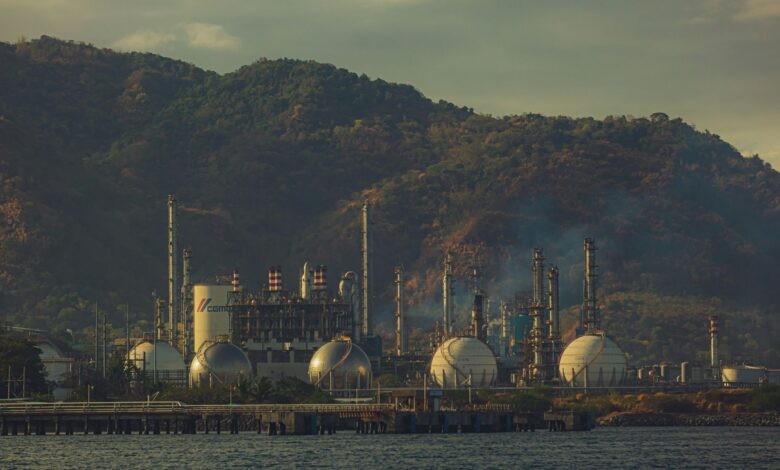
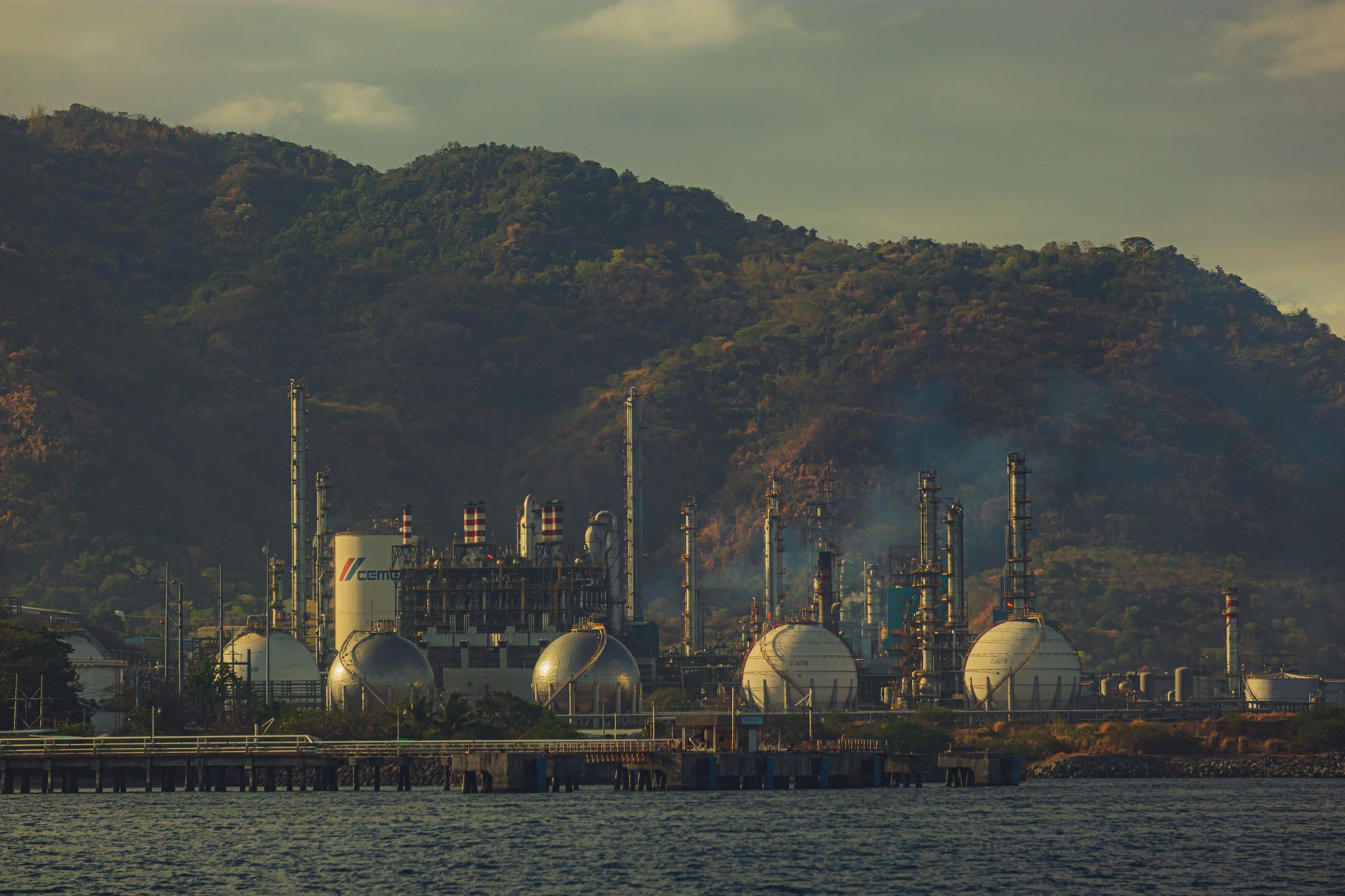
Sulfur is a byproduct of oil and natural gas refining. When refineries strip sulfur from hydrocarbons to meet clean fuel standards, they produce elemental sulfur as a residual output. That sulfur then gets sold, primarily to fertilizer manufacturers who convert it into sulfuric acid and then into phosphate fertilizers. The global agriculture system depends on this chain to an uncomfortable degree – roughly 90 percent of mined phosphate rock requires sulfuric acid for processing, and without it, fertilizer production stalls. That dependency is what makes sulfur royalties interesting to a fund with a 20-year investment horizon.
The fertilizer angle is the most obvious driver, but it is not the only one. The battery sector is creating a secondary demand pressure that did not exist a decade ago. Lithium-sulfur batteries, while not yet mainstream, are advancing in research pipelines fast enough that some sovereign funds with dedicated technology mandates are treating sulfur exposure as a hedge on future battery chemistry shifts. The same funds buying into sulfur royalty streams today could find themselves holding assets that become materially more valuable if lithium-sulfur technology scales at the pace some research institutions project.

How Royalty Streams Work in This Context
A sulfur royalty stream is typically structured as a contractual right to receive a fixed percentage of revenue – or sometimes volume – from a sulfur-producing asset over a defined period. These agreements are usually attached to refineries, natural gas processing plants, or mining operations that produce sulfur as a secondary output. The royalty holder takes no operational risk; if the plant shuts down, payments stop, but there is no liability for cleanup, labor disputes, or equipment failures.
The appeal for sovereign wealth funds comes down to duration and predictability. Refineries and processing plants are long-lived assets – often operating for 30 to 50 years with periodic upgrades. A royalty agreement attached to one of these facilities offers decades of predictable cash flow without the balance sheet complexity of direct ownership. For funds managing inter-generational wealth, particularly those in the Gulf region or Scandinavia that are mandated to preserve national capital over multi-decade horizons, that profile fits neatly alongside infrastructure debt and long-duration sovereign bonds.
What makes this moment particularly active is the convergence of two forces: refineries facing increased regulatory pressure to reduce sulfur emissions are investing in desulfurization upgrades, and those upgrades often produce more elemental sulfur as a byproduct. More output from existing facilities means more volume flowing through existing royalty agreements, which means passive income growth for royalty holders without any additional capital deployment. The sovereign funds paying attention to this dynamic are effectively getting a free production increase baked into assets they already hold.
Pricing mechanisms also work in the royalty holder’s favor during inflationary periods. When fertilizer prices rise – as they did sharply in 2021 and 2022 following energy market disruptions – sulfur prices tend to follow, since the economics of fertilizer production become more valuable and demand for inputs rises. A royalty agreement tied to revenue rather than fixed volume automatically captures that upside, functioning almost like an inflation-linked instrument without being formally categorized as one. This is the kind of structural detail that makes sovereign fund managers willing to look past the asset’s unglamorous surface.
The Competitive Landscape Is Still Thin
Sovereign wealth funds moving into sulfur royalties are not competing with hedge funds or private equity firms in any meaningful way – yet. The market for these instruments is thin enough that most deals happen bilaterally, negotiated directly between the royalty originator (often a refinery operator or commodity trading house) and the fund. There is no exchange, no standardized contract structure, and no liquid secondary market, which means pricing is opaque and deal flow is relationship-driven.
That opacity cuts both ways. A fund with strong relationships in the oil and gas sector can source deals that simply never reach the broader market, locking in terms that would be unavailable in a competitive auction. But it also means that funds entering this space now need to build those relationships from scratch, and the learning curve is steeper than it looks. The technical due diligence alone – assessing the remaining useful life of a refinery, modeling sulfur output under different crude slate scenarios, understanding offtake agreement structures – requires specialized expertise that most sovereign fund investment teams do not have on staff.
What This Tells Us About Where Large Capital Is Going
The move into sulfur royalties is part of a wider pattern in how state-backed funds are approaching commodity exposure. Rather than holding commodity futures or taking equity stakes in producers, a number of these funds have been building royalty and streaming positions across a range of less-followed commodities – a strategy borrowed from the mining sector, where royalty companies have demonstrated that passive income from production assets can outperform direct ownership over long cycles. The same pattern is visible in how pension funds have been accumulating positions in gravel pit extraction leases – unglamorous, durable, volume-driven income streams that behave nothing like public equities.
Sovereign funds are drawn to assets that generate cash without requiring active management, that have contractual rather than market-driven income, and that sit outside the correlation structure of traditional financial markets. Sulfur royalties check all three boxes. The fact that the asset class is small, illiquid, and poorly understood by most institutional investors is not a deterrent – it is, for these funds, the point. When a market is thin and under-followed, early movers set the terms. The question is how long that window stays open before the broader institutional market figures out what these funds already know.

One tension worth watching: sulfur production is inextricably tied to fossil fuel refining, and as energy transition accelerates, the long-term trajectory of refinery output is genuinely uncertain. A fund locking into a 30-year royalty agreement on a refinery that may face economic or regulatory pressure in year 15 is not making a risk-free bet. The hedge against that scenario – growing battery-sector demand for sulfur – is real but unproven at scale. Sovereign funds with century-long mandates can absorb that uncertainty in ways most investors cannot, but it does not disappear from the equation just because the capital is patient.