

The Quiet Accumulation Nobody’s Talking About
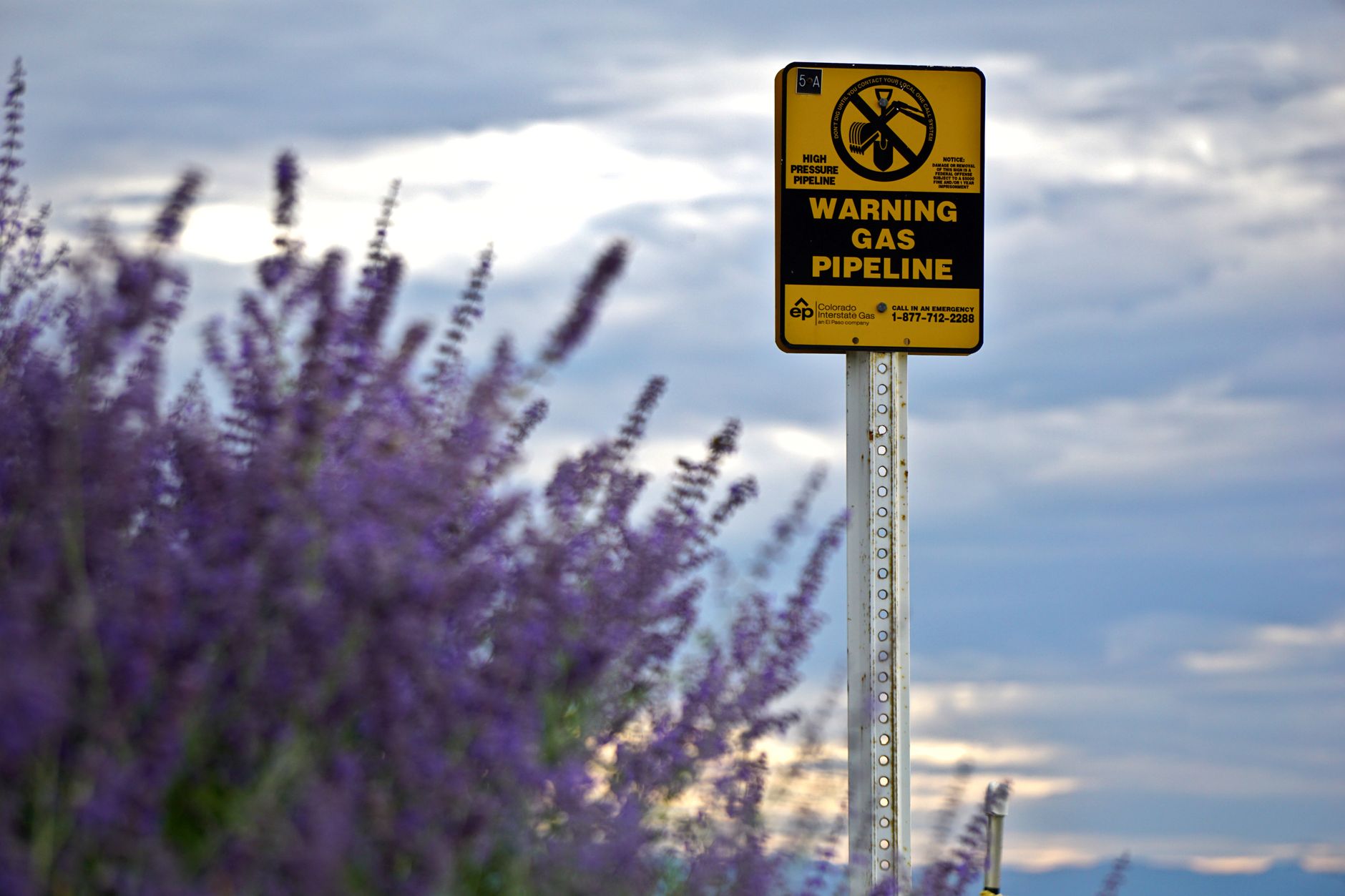
Propylene pipeline easements sit at one of the more obscure intersections of real estate law and petrochemical infrastructure – and that obscurity is precisely what makes them attractive to a certain class of institutional money. These are legal rights-of-way that grant pipeline operators permanent or long-term access across private and commercial land to transport propylene, a key feedstock for plastics, resins, and industrial chemicals. The rights themselves, once recorded, survive property ownership changes and typically carry contractual payment obligations that run for decades.
A growing number of hedge funds have been quietly acquiring these easement positions, not by building pipelines themselves, but by purchasing the income streams and legal claims attached to existing ones. The strategy is niche, paper-intensive, and requires deep knowledge of commodity law – which is why it has largely avoided the attention that more visible infrastructure plays attract.
Why Propylene, and Why Now
Propylene demand has held up through multiple commodity cycles because its end markets are structurally embedded in modern manufacturing. Polypropylene – the resin derived from propylene – goes into automotive parts, food packaging, medical devices, and textiles. Unlike crude oil, whose price swings dominate financial headlines, propylene moves through quieter channels, transported via dedicated pipelines that connect cracker facilities to derivative plants. The infrastructure is expensive to replicate, and the easements that authorize its routing are not easily undone once established.
The current window of opportunity comes partly from regulatory pressure on midstream companies. Several pipeline operators have been selling non-core assets to shore up balance sheets or satisfy environmental compliance costs. Easement portfolios – bundles of recorded rights-of-way with attached royalty or access fee structures – have started appearing on secondary markets where traditional buyers, mainly land companies and small royalty trusts, lack the capital to compete against institutional bidders. Hedge funds with dedicated natural resources desks have stepped into that gap.
How the Trade Actually Works
The mechanics differ from standard pipeline investment. A fund is not buying equity in an operator or taking on construction risk. It is acquiring the contractual right to receive periodic payments from whoever holds the pipeline operating agreement – payments that are often structured as fixed annual fees, sometimes with inflation escalators, tied to the physical corridor the pipeline occupies. The underlying land may be owned by a farmer in Texas, a municipality in Louisiana, or a real estate LLC in Ohio. The easement sits above all of that, legally distinct from the land itself.
Funds typically acquire these positions through portfolio purchases, buying dozens or hundreds of individual easement contracts at once from a midstream company or a broker aggregating smaller sellers. Legal due diligence is extensive because easement language varies widely – some include termination clauses if the pipeline goes dormant for a set number of years, others are perpetual regardless of use. Title searches, recording confirmations, and payment history reviews are standard before any position closes.
The appeal is not high yield in the conventional sense. Easement income streams tend to produce modest annual returns relative to face value, but the risk profile is unusually low. Payment is owed regardless of commodity prices because the fee is for the right to occupy the corridor, not for the volume of propylene moving through it. That separation from throughput risk is what makes the asset behave more like a ground lease than a commodity bet. For funds running multi-strategy books that need uncorrelated positions, the structure fits neatly.
There is also optionality embedded in some portfolios. Propylene pipeline corridors often run parallel to or through areas being developed for hydrogen or CO2 transport infrastructure, where federal permitting favors existing rights-of-way. A fund holding easements along those corridors may find that the underlying access rights become more valuable as energy transition projects compete for permitted land routes. That upside is speculative, but it is not imaginary.
The Pension and Family Office Comparison
This approach shares structural DNA with how other institutional pools have approached niche infrastructure income. Pension funds building exposure to phosphoric acid terminal leases operate from a similar logic: find an income stream attached to physical infrastructure, buried deep enough in the asset class that competition is thin, and hold it for long-duration yield. The hedge fund version is more aggressive in its acquisition pace and more willing to take on legal complexity in exchange for price advantage at purchase.
The difference lies in holding period expectations. Pension allocations to terminal lease income are typically patient, structured for 10-to-20-year horizons. Hedge funds acquiring easement portfolios are more likely to target a 5-to-7-year hold, with an exit thesis centered on either selling the assembled portfolio to a long-duration buyer or securitizing the income streams. The securitization angle is still nascent, but deal structures using easement cash flows as collateral have been tested in adjacent sectors.
Risks the Strategy Carries
The legal complexity that keeps competition low is also the strategy’s primary risk. Easement disputes – challenges from landowners claiming the access rights were improperly recorded, or that the pipeline operator has abandoned the corridor – can tie up cash flows in litigation for years. State law governs easement validity, and interpretations vary enough across jurisdictions that a portfolio concentrated in one state carries different risk than one spread across multiple regions.
Pipeline decommissioning is another exposure. If a propylene pipeline is permanently taken out of service, the easement may revert to the landowner depending on how the original agreement was drafted. Funds that did not conduct thorough title work on dormancy clauses before buying can find themselves holding rights that have legally extinguished without any notice period. The secondary market for troubled easement positions is thin and tends to clear at steep discounts.
Political risk around petrochemical infrastructure has also increased. Several state legislatures have been debating eminent domain reforms and landowner rights bills that, if passed, could affect the enforceability of older easement language. None of those bills have yet reached a point where they would retroactively void properly recorded agreements, but the legislative activity is enough that funds with large state-specific concentrations are watching closely. In Texas and Louisiana, where the bulk of Gulf Coast propylene infrastructure runs, lobbying on both sides of the landowner rights debate has intensified going into the 2025 legislative sessions.