Sovereign Wealth Funds Quietly Build Positions in Sulfuric Acid Rail Car Leases

The Quiet Accumulation Nobody Is Talking About
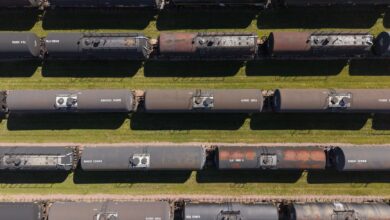
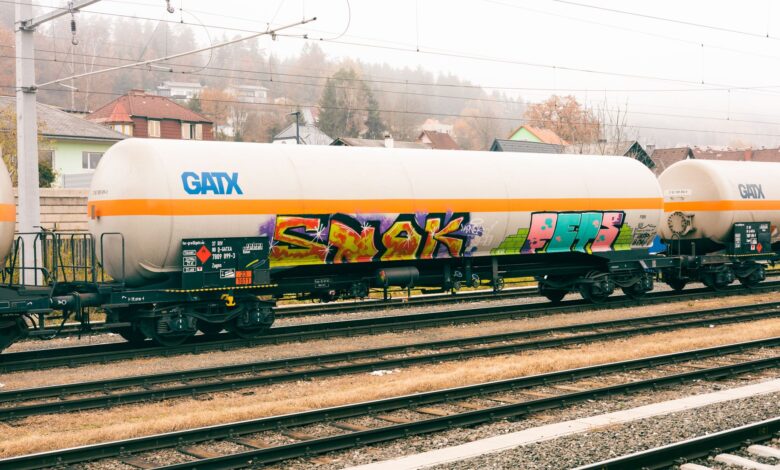
Sulfuric acid rail car leases are not the kind of asset that shows up in investment brochures or gets discussed at wealth management conferences. The cars themselves are squat, heavily regulated tank cars built to move one of the world’s most corrosive industrial chemicals, and the lease agreements attached to them tend to run long, pay steadily, and attract very little attention. That combination – obscurity, duration, and predictable cash flow – is exactly what sovereign wealth funds have been chasing across industrial infrastructure for the past several years.
A growing number of state-backed investment vehicles from the Gulf, Scandinavia, and Southeast Asia have been building exposure to specialty chemical railcar leasing, either through direct portfolio acquisitions, stakes in leasing companies, or structured positions held through industrial infrastructure funds. The activity has been gradual and largely off the radar of mainstream financial coverage, but the logic behind it is straightforward enough that once you understand how these leases work, the appetite makes complete sense.
What Makes Sulfuric Acid Cars Worth Owning
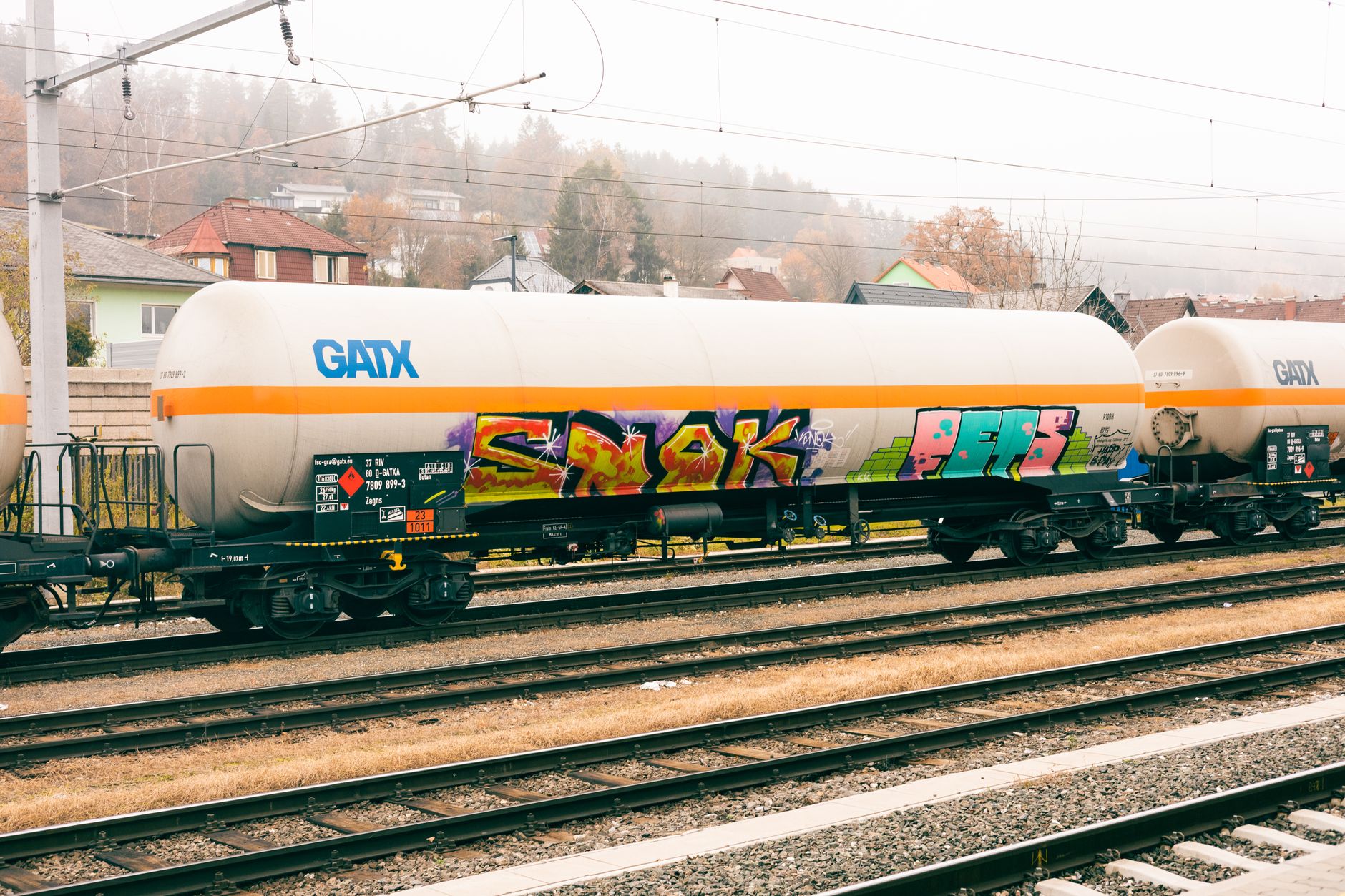
Sulfuric acid is the highest-volume industrial chemical produced globally. It goes into fertilizer manufacturing, petroleum refining, steel processing, battery production, and water treatment. Because it cannot be transported by pipeline and degrades quickly when exposed to moisture, it moves almost entirely by rail in specialized DOT-111 or DOT-105 tank cars built from specific alloys with strict pressure and lining requirements. The cars are expensive to manufacture, expensive to certify, and expensive to maintain – which is precisely why very few entities bother building fleets of them.
That scarcity creates a structural pricing floor. Chemical producers who need to move large quantities of sulfuric acid across the country do not have the option of switching to a cheaper transport method. They either lease the cars from whoever owns them or they do not move the product. Lease agreements in this segment typically run five to fifteen years with fixed escalators, and tenants – usually large chemical companies or mining operations – have very little incentive to default because losing access to the cars would mean shutting down production. The credit quality of the underlying counterparties tends to be investment grade, and the physical asset retains value as long as regulatory standards for sulfuric acid transport remain in force.
Why Sovereign Funds Are Drawn to This Corner of Rail Finance
Sovereign wealth funds operate under constraints that most private investors do not face. They manage capital across generational timescales, they answer to governments with specific mandates around capital preservation, and they are large enough that deploying meaningful capital into equities or standard fixed income moves markets in ways that work against their own interests. Long-duration real asset leases with inflation-linked escalators solve several of those problems at once.
Sulfuric acid rail car leases fit neatly into the broader industrial infrastructure thesis that many sovereign funds have already committed to. The appeal is not explosive upside – these are not growth assets. The appeal is that the cash flows arrive predictably, the underlying use case (industrial chemical production) does not disappear in recessions the way consumer sectors do, and the barriers to competitive entry are high enough that new supply does not flood the market every time returns look attractive. This is the kind of asset that functions more like a toll road than a stock pick.
There is also a battery economy angle worth taking seriously. Sulfuric acid is a core input in the production of lithium-ion batteries, specifically in the processing of cathode and anode materials. As battery manufacturing scales up to meet electric vehicle demand, the chemical’s production volume is forecast to rise, which means demand for compliant transport infrastructure should rise with it. Sovereign funds with long time horizons have the patience to position for that demand curve before it becomes widely priced in.
The inflation protection dimension is equally significant. Lease escalators tied to producer price indices or CPI provide a natural hedge against the kind of slow, grinding inflation that erodes fixed-income returns over decade-long holding periods. For a fund managing reserves for a country whose national budget depends on commodity revenues – themselves volatile – having a slice of the portfolio in assets that move with industrial price levels is sound portfolio construction.
How Positions Are Actually Being Built
Direct ownership of rail car fleets requires operational expertise that most sovereign funds do not want to develop in-house. The more common approach is to take minority or majority stakes in specialty leasing companies that already manage fleets, handle maintenance compliance, and manage counterparty relationships. Another route involves industrial infrastructure funds – typically managed by large alternative asset managers – that pool capital across multiple specialty rail asset types and provide a layer of operational management between the investor and the cars themselves.
Some funds have structured their exposure through long-dated private credit instruments secured against lease receivables. This approach gives the fund a fixed-income-like claim on the cash flows without requiring equity ownership of the underlying assets, which matters for funds with strict mandates around ownership of physical industrial equipment. The flexibility of the structure is part of what makes this corner of the market accessible to institutional capital that might otherwise struggle to participate.
The Risks That Rarely Get Discussed Openly
Regulatory risk is the most significant factor that institutional buyers monitor. Sulfuric acid transport is governed by Department of Transportation standards in the United States, and equivalent bodies in other jurisdictions. If new safety standards require retrofitting existing tank cars or retiring them early, the economics of an existing fleet can shift materially. Car owners must track the regulatory pipeline carefully, and positions entered without a clear view of upcoming rule changes carry more risk than the lease structure alone might suggest.
Environmental liability is a secondary concern. Sulfuric acid spills from rail cars can trigger federal Superfund liability under CERCLA, and while car owners carry insurance against this, catastrophic events can generate legal exposure that outlasts any policy. Sovereign funds structuring their positions through bankruptcy-remote special purpose vehicles are largely insulated from this risk, but direct equity holders in leasing companies are not.

There is also a concentration risk that rarely gets discussed in asset allocation pitches. The number of investment-grade counterparties capable of entering long-term sulfuric acid transport agreements is not enormous – it is a relatively small universe of large chemical companies and mining operators. A significant credit deterioration in that counterparty base, whether from a commodity cycle downturn or a structural shift in industrial demand, would affect multiple leases across the market simultaneously. Investors who have built positions assuming the counterparties are uncorrelated have likely not stress-tested that assumption against a scenario where fertilizer demand collapses and copper mining slows at the same time. That is the scenario worth modeling, and not everyone has done it.