
Hedge Funds Quietly Build Positions in Diesel Terminal Throughput Agreements

The Quiet Accumulation Behind Diesel Infrastructure
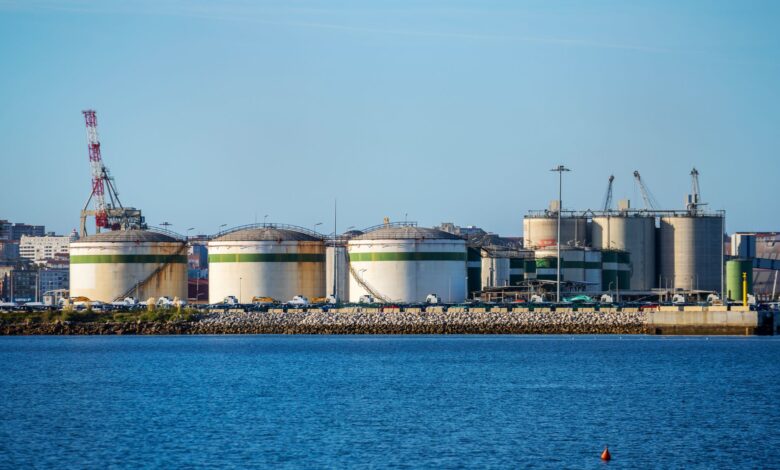
Diesel terminal throughput agreements are not the kind of asset that shows up in financial headlines or quarterly earnings calls. These contracts – which grant the holder the right to move a specified volume of diesel fuel through a third-party terminal over a fixed period – sit deep in the infrastructure stack, invisible to most retail investors but increasingly attractive to sophisticated capital allocators looking for yield with contractual teeth. Hedge funds, operating with far less disclosure obligation than their pension or endowment counterparts, have been moving into this space with deliberate patience.
The appeal is structural rather than speculative. A throughput agreement locks in revenue regardless of whether fuel prices rise or fall – the terminal operator gets paid for volume movement, not for the commodity itself. For a fund seeking inflation-linked, non-correlated cash flows, that distinction matters enormously. The fee-for-service nature of these contracts strips away much of the commodity price exposure while retaining exposure to physical demand for diesel – an energy source that, despite electrification narratives, continues to power logistics, agriculture, and heavy industry at scale.
Why Diesel Infrastructure Now
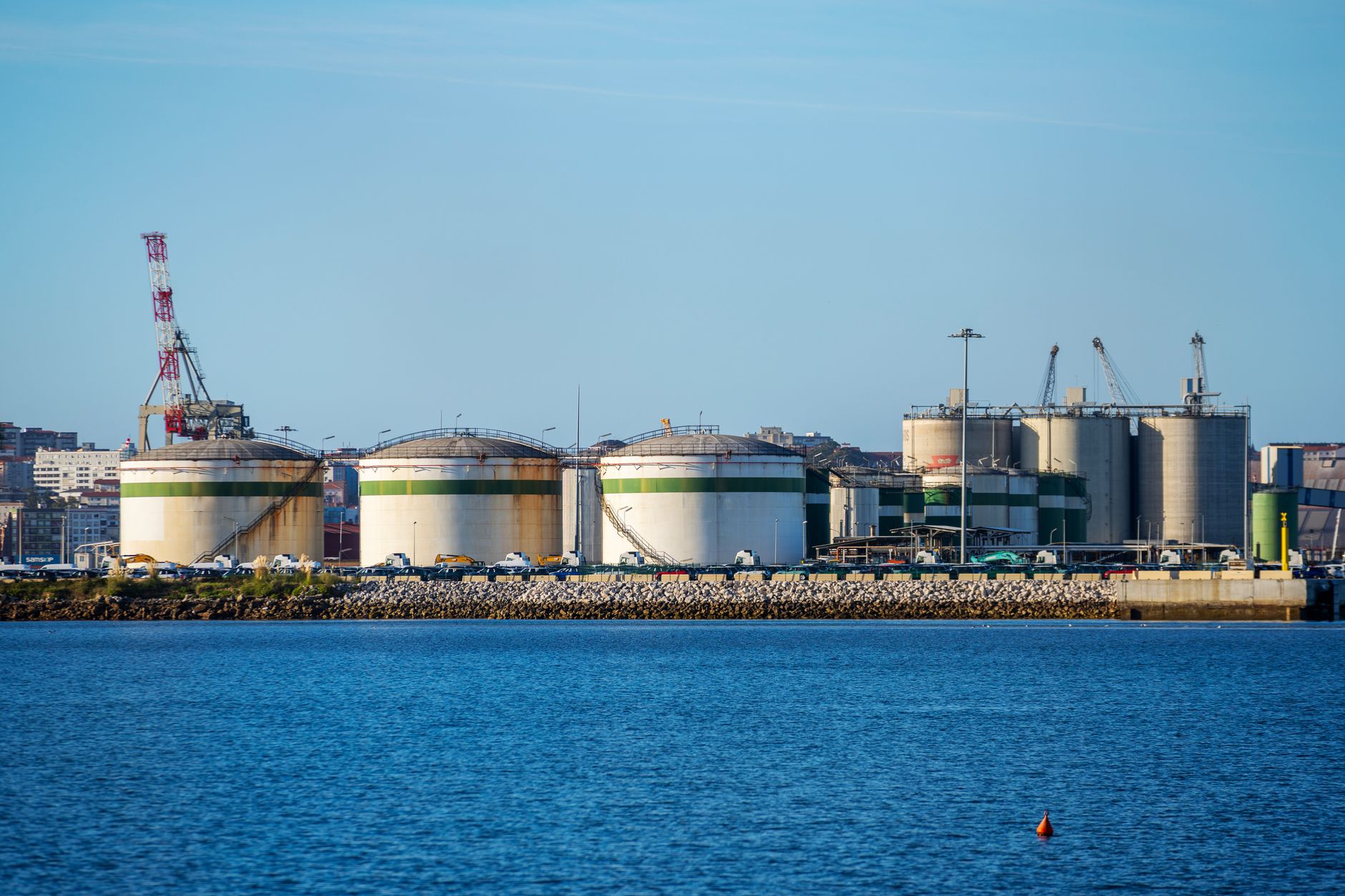
Diesel demand curves have proven more durable than many energy transition models predicted. Long-haul trucking, rail freight, marine shipping, and off-road agricultural equipment all rely on diesel in ways that cannot be easily substituted on a five- or ten-year horizon. Terminal throughput agreements tied to these demand streams carry a defensible baseline volume, which is exactly what a fixed-income-adjacent hedge fund strategy requires. The floor is not guaranteed by a government or a credit rating – it is underwritten by the physical reality of how goods move across continents.
Several macro forces are converging to make this moment particularly attractive for position-building. Refinery consolidation in the United States and Europe over the past decade has reduced the number of facilities processing diesel, which tightens the distribution network and increases the strategic value of terminal infrastructure. Fewer terminals handling more volume means throughput agreements carry greater pricing power at renewal. Funds acquiring these agreements now are essentially buying optionality on tighter supply conditions without taking direct commodity risk.
There is also a credit quality argument. Many of the counterparties signing long-term throughput agreements are investment-grade energy distributors, utilities, or government-adjacent fuel procurement agencies. This makes the receivable stream on a throughput agreement look more like a corporate bond than a commodity bet – which is a meaningful selling point for hedge funds operating within mandates that require some portion of capital to generate predictable, bondlike returns.
The entry point matters too. Because these agreements have historically been traded bilaterally between energy companies rather than through financial intermediaries, price discovery is opaque and competition from other institutional buyers remains limited. Hedge funds that have built origination relationships with terminal operators or energy majors looking to monetize infrastructure assets can acquire positions at discounts that would not survive a public auction process. That origination advantage is the moat, and it is one most funds will not advertise.

How the Positions Are Structured
The mechanics of acquiring a throughput agreement position vary depending on the counterparty and the jurisdiction. In some cases, a fund acquires the agreement directly from an energy company conducting a sale-leaseback or infrastructure monetization. In others, a fund participates as a co-investor in a special purpose vehicle structured around a portfolio of terminal contracts across multiple geographic regions. The SPV approach is common when a single agreement does not meet minimum capital deployment thresholds or when the fund is seeking diversification across terminal operators and diesel distribution corridors.
Funds using the SPV structure gain additional flexibility at exit. Rather than negotiating a bilateral sale of a single contract – which can be slow and price-sensitive – they can sell fund interests to other financial buyers, including pension funds building exposure to terminal lease structures, infrastructure debt vehicles, or insurance companies seeking duration-matched assets. The secondary market for infrastructure SPVs is thin but growing, and funds positioning now are betting that liquidity will improve as more institutional capital recognizes the asset class.
Risk Factors That Don’t Get Enough Attention
Volume risk is the most obvious. A throughput agreement specifies minimum volumes, but if the counterparty’s logistics operations contract sharply – due to a recession, regulatory change, or route disruption – the practical enforcement of minimum payment clauses can be legally contested and operationally complicated. A fund holding these agreements needs in-house expertise in energy contract law or access to specialized counsel, and that overhead cost is not trivial.
Geographic concentration is a subtler problem. Diesel terminal infrastructure in certain regions – particularly Gulf Coast facilities in the United States and ARA (Amsterdam-Rotterdam-Antwerp) terminals in Europe – represents a clustering of assets that share correlated risk. A regulatory shock targeting a specific corridor, a major environmental incident at a shared facility, or a shift in pipeline routing decisions could impair multiple agreements simultaneously. Funds building diversified books need to map infrastructure relationships carefully, not just contract counterparties.
Then there is the long-duration mismatch. Many throughput agreements run for ten to twenty years, which creates a duration profile that can be difficult to hedge. Interest rate sensitivity on the discount rate used to value future fee streams means that a sustained rate environment different from current expectations can materially affect mark-to-market valuations – even if the underlying cash flows remain perfectly stable. Hedge funds with quarterly investor reporting cycles face the uncomfortable reality of explaining valuation moves on assets that are operationally performing exactly as intended.

What This Signals About Institutional Appetite
The movement of hedge fund capital into diesel terminal throughput agreements is part of a broader rotation toward physical infrastructure with contractual cash flow visibility. As traditional fixed income has become more volatile and equity markets more correlated with sentiment-driven swings, the premium attached to truly non-correlated yield has increased. Terminal throughput agreements – obscure, illiquid, and operationally specific – fit that profile precisely because their returns are driven by volume and contract terms, not by market psychology.
The funds doing this quietly are not necessarily making a bullish call on diesel as an energy source for the next fifty years. They are making a much more bounded claim: that diesel demand over the next seven to fifteen years will remain sufficient to keep throughput agreements cash-flowing at contracted rates, and that the spread between acquisition price and discounted cash flow is wide enough to compensate for illiquidity and operational complexity. That is a bet on economic inertia more than on energy futures.
What makes the current moment worth watching is who follows. When hedge funds quietly accumulate positions in an obscure infrastructure asset class, the larger institutional money – pension funds, sovereign wealth funds, infrastructure-focused insurance capital – tends to arrive later and at higher prices. By the time a throughput agreement index appears in a Bloomberg terminal or a bulge-bracket bank publishes an initiating research note on the sector, the early-mover premium will have compressed significantly. The window for building positions at today’s origination spreads is not indefinite, and the funds currently operating in this space understand that better than anyone.
Frequently Asked Questions
What is a diesel terminal throughput agreement?
It is a contract granting the holder the right to move a specified volume of diesel through a third-party terminal over a fixed period, generating fee-based revenue independent of commodity prices.
Why are hedge funds interested in these agreements?
They offer contractual, inflation-linked cash flows with limited correlation to equity or bond markets, and can be acquired at discounts due to opaque pricing and limited institutional competition.