
The New Infrastructure Play Nobody Is Talking About
Carbon capture has spent years as a policy promise wrapped in regulatory uncertainty. Now, a quieter and more specific opportunity has started drawing serious institutional money: the legal rights to transport liquefied CO2 through pipelines and across private land. These easements – recorded agreements granting access along defined corridors – are becoming the kind of fixed, long-duration asset that hedge funds with infrastructure mandates find difficult to ignore.
Easements for liquefied CO2 transport sit at an unusual intersection of land law, industrial logistics, and carbon policy. Unlike carbon credits, which fluctuate with voluntary markets and political will, transport easements are real property interests. They attach to land titles, survive ownership changes, and generate fee income over multi-decade terms. That combination of legal durability and cash flow predictability is exactly what drives institutional appetite.
Several hedge funds with infrastructure and real assets sleeves have begun acquiring these positions, often through secondary markets where early industrial developers need liquidity.
Why Liquefied CO2 Transport Needs Its Own Infrastructure
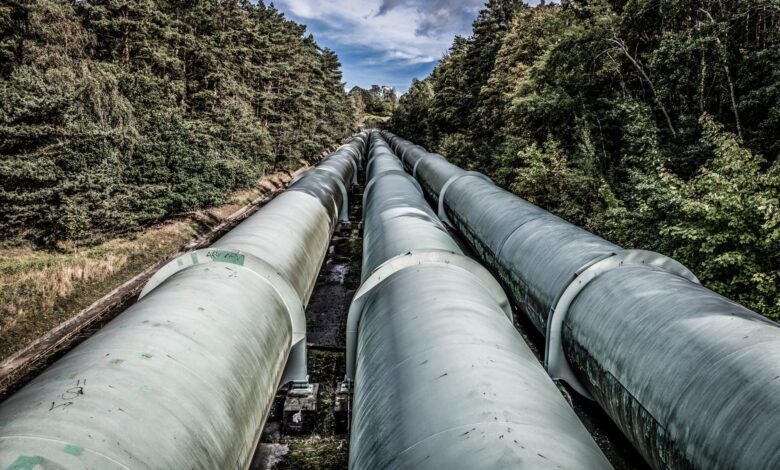
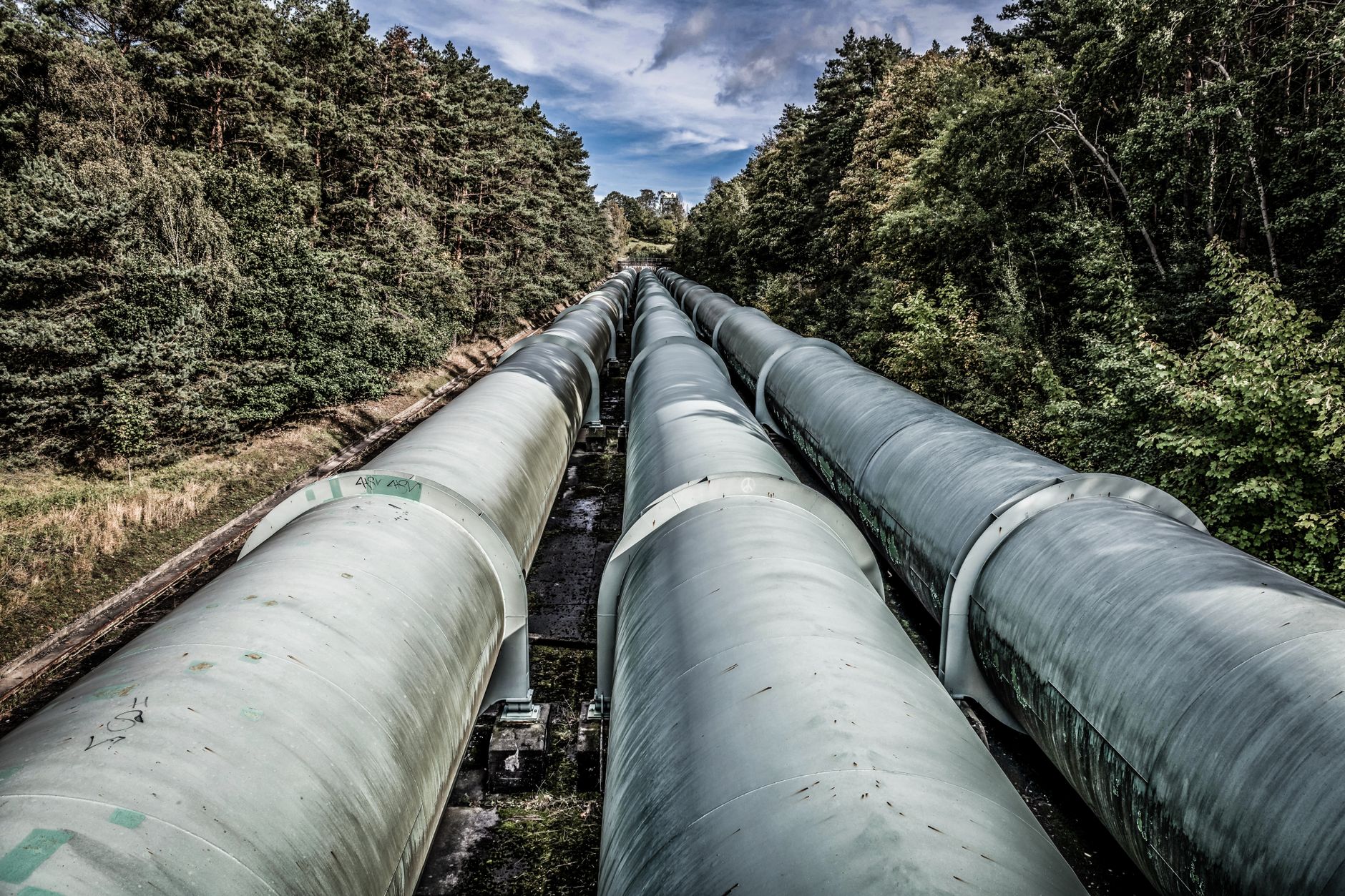
Moving CO2 in liquid form requires maintained pressure and temperature along the entire pipeline corridor – conditions that differ enough from natural gas transport to demand purpose-built or heavily modified infrastructure. That technical specificity means the corridor rights themselves carry a premium. A landowner or developer willing to grant permanent easement access to a liquefied CO2 operator is essentially locking in a relationship with few substitutes, because routing alternatives are costly to establish after initial construction.
The build-out logic follows a familiar pattern from electricity transmission. When sovereign wealth funds began acquiring positions in electricity transmission easements, the attraction was the same: regulated or quasi-regulated income streams tied to physical corridors that competitors cannot easily replicate. Liquefied CO2 transport adds one more layer of scarcity, because the pipeline networks are still sparse, giving early easement holders meaningful geographic leverage.
The economics also benefit from what is effectively a captive relationship between CO2 source and storage site. Industrial emitters – cement plants, ethanol facilities, steel mills – committing to carbon capture equipment are simultaneously committing to the transport corridor that connects that equipment to a sequestration site. Breaking that corridor relationship after construction would mean writing off significant capital. That lock-in is precisely what makes the underlying easement valuable as a long-hold asset.
How Hedge Funds Are Structuring the Positions
Direct easement acquisition is one route, but the more common approach involves purchasing royalty-like income streams from existing easement holders – farmers, municipalities, industrial landowners – who granted corridor access during earlier pipeline development phases and now want to monetize future payment rights. The hedge fund buys those future cash flows at a discount, assumes collection responsibility, and holds the position as a fixed income proxy with inflation linkage built into many of the original easement contracts.
Some funds are going further, acquiring majority stakes in small easement aggregation companies that have spent years quietly assembling contiguous corridor rights across state lines. Contiguity matters enormously here. A fragmented easement portfolio covering non-adjacent land parcels has limited operational value. A connected corridor stretching hundreds of miles from an industrial cluster to a geological sequestration formation is effectively infrastructure – and prices accordingly.
The leverage structure tends to be conservative relative to typical hedge fund positioning. Because easement income is contractual rather than market-dependent, lenders will provide financing against it, but the funds building these portfolios are generally treating them as low-turnover, yield-generating sleeves rather than positions to exit quickly. Holding periods of ten to fifteen years are common in the deal structures being negotiated, which is unusual for hedge fund capital but speaks to the confidence in the underlying cash flow durability.
Regulatory Risk and the Policy Dependency Problem
The obvious counterargument is that this entire asset class depends on carbon capture policy remaining favorable. If federal tax incentives for carbon sequestration were eliminated or substantially reduced, the industrial economics that make CO2 transport viable would weaken considerably. Easement income would not disappear overnight – the contracts are legally binding regardless of policy – but new pipeline development would slow, reducing the growth opportunity and potentially affecting easement renewal pricing.
That policy dependency is real, but funds entering the space point to the bipartisan industrial logic underlying carbon capture. The largest users of sequestration infrastructure are heavy manufacturers in politically sensitive states, and the sequestration sites themselves tend to cluster in regions where resource extraction has long been economically central. That geographic and industrial overlap has historically produced durable policy support even across changing administrations.
There is also a technology hedge built into the asset. Liquefied CO2 transport infrastructure, once built, can theoretically serve other industrial gases with relatively modest modifications. The corridor rights are the permanent layer; the specific commodity flowing through them is a variable. That optionality is not guaranteed, but it gives the infrastructure a longer useful life than a pure carbon-policy bet would suggest.

What makes this moment specific is the timing gap between industrial commitment and institutional awareness. Heavy emitters have been signing long-term capture agreements and building pipeline routes for several years. The easement positions underpinning those routes were assembled early, often by developers who needed to demonstrate corridor access to secure project financing. Now those developers are sitting on assets that have appreciated as the projects moved toward operation – and the secondary market for those positions is still thin enough that buyers with patience and legal sophistication can enter before pricing reflects the full scarcity value of a connected, operating CO2 transport corridor.