

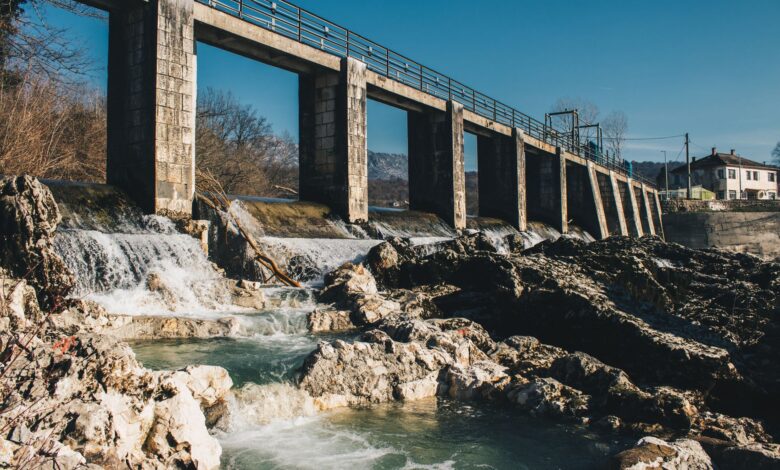
The Quiet Accumulation of a Niche Infrastructure Asset
Hydroelectric dam easements occupy a strange corner of the alternative asset universe – legally complex, physically immovable, and historically controlled by utilities and government agencies. But over the past several years, a growing number of hedge funds have been quietly acquiring positions in these easements, treating them less like infrastructure plays and more like long-duration royalty streams with embedded water rights. The deals rarely make headlines. The legal structures involved – often layered through limited partnerships and real asset holding entities – keep most transactions out of plain sight.
What is drawing sophisticated capital toward these assets right now is a combination of factors that did not exist a decade ago: rising electricity prices, tightening water scarcity across the American West, and a regulatory environment that has made new dam construction essentially impossible. The existing hydroelectric infrastructure is no longer just a power generation asset. It is increasingly scarce, increasingly valuable, and increasingly contested – which is exactly the kind of setup that attracts hedge fund attention.
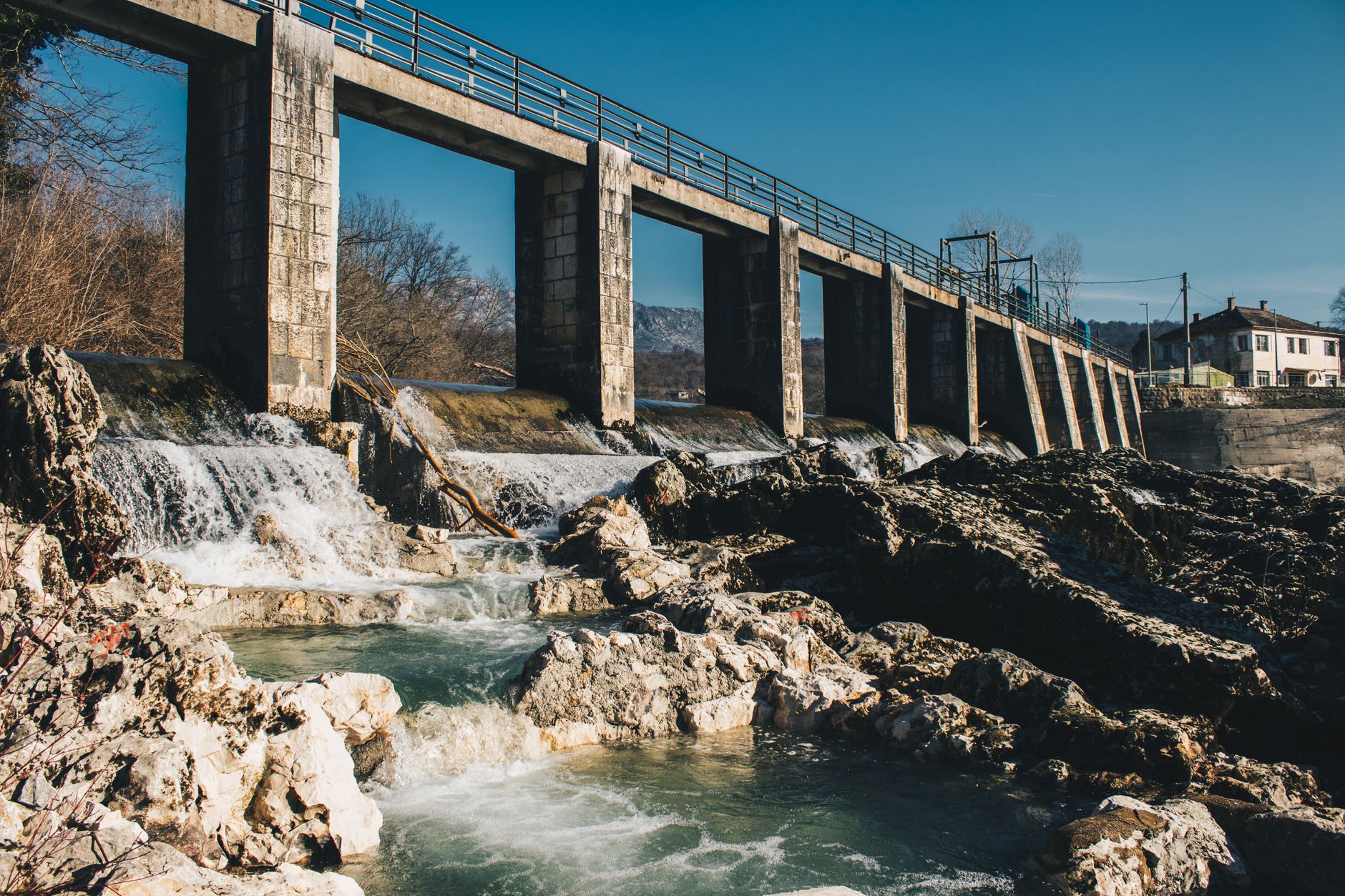
What a Dam Easement Actually Is
A dam easement is a legal right attached to a specific parcel of land that governs how water can be stored, diverted, or released across that land in connection with hydroelectric operations. Unlike owning the dam itself – which comes with enormous operational liabilities, maintenance costs, and regulatory obligations – owning the easement gives a holder a claim on the economic activity generated by the water moving through or around a specific geography. It is closer to a mineral royalty than a traditional infrastructure investment.
These easements were originally granted decades ago, often at nominal values, to utilities building out the mid-century grid. Many have never been repriced against current water values or electricity markets. That gap between original conveyance price and current economic reality is where hedge funds see their opportunity. A fund that acquires an easement originally granted in the 1960s at historical cost can now sit atop a cash flow stream priced against today’s power purchase agreements and water allocation markets.
The legal complexity involved is real and substantial. Easements interact with state water law, Federal Energy Regulatory Commission licensing requirements, downstream water rights holders, and in some cases tribal water compacts. Navigating that web requires specialized legal teams and patience – which is why retail investors have largely been absent from this market and why institutional buyers with long time horizons have been able to accumulate positions without much competition.

Why the Timing Makes Sense
The western drought cycle has done more to reprice freshwater assets than any financial innovation could. As reservoir levels across the Colorado River basin have dropped and hydroelectric output from major facilities has become less reliable, the value of easements attached to more stable watershed systems – particularly in the Pacific Northwest and parts of the upper Midwest – has moved sharply higher. Scarcity pricing is arriving in a market that had been effectively static for generations.
Meanwhile, pension funds have been building exposure to hydropower water rights through adjacent strategies, validating the broader thesis that water-attached energy infrastructure deserves a permanent allocation in long-duration portfolios. Hedge funds approaching the same thesis through easements are simply operating one layer deeper in the capital stack – with correspondingly higher yield potential and correspondingly higher legal risk.
The Investment Thesis Unpacked
The core argument for owning dam easements is duration and irreplaceability. No new major hydroelectric dam will be permitted and built in the continental United States in any investor’s current holding period. The regulatory barriers, environmental review requirements, and litigation exposure make greenfield hydro development functionally impossible at scale. That means the existing easement network is the entire investable universe – a fixed supply asset in a market where demand for clean, dispatchable electricity is growing.
Dispatchability matters enormously here. Unlike wind or solar, hydroelectric generation can be turned up or down in response to grid conditions. As more intermittent renewables come online across the western grid, the value of dispatchable clean power rises – and the easements that govern water flow through hydro facilities capture a portion of that pricing premium. A fund holding easements on a run-of-river facility in a high-precipitation watershed is effectively holding a call option on grid stress events.
The cash flow mechanics vary significantly by deal structure. Some easement holders receive a fixed annual payment from the operating utility, structured like a ground lease. Others have negotiated revenue participation provisions, giving them a percentage of power sales above a certain price threshold. The most aggressive structures include provisions tied to water volume – meaning the easement holder earns more in high-snowpack years when generation is strong. Each of these structures has a different risk profile, and the most sophisticated funds are actively arbitraging between them.

There is a less discussed dimension to this trade that may ultimately prove more valuable than the electricity income: the water rights embedded within the easement itself. In states operating under prior appropriation doctrine, the right to use water is attached to the land and cannot be separated without specific legal action. An easement holder who controls the terms of water flow through a facility may, under certain legal interpretations, hold enforceable rights to that water that survive changes in the underlying operating license. As FERC relicensing cycles come up for hundreds of aging hydro facilities over the next two decades, those embedded water rights could become the primary value driver – eclipsing the electricity income that drew buyers in originally.
Frequently Asked Questions
What is a hydroelectric dam easement?
It is a legal right governing how water can be stored, diverted, or released across a specific parcel of land in connection with hydroelectric operations, separate from owning the dam itself.
Why are hedge funds interested in dam easements now?
Rising electricity prices, western water scarcity, and the impossibility of building new major dams have made existing easements scarce, repricing assets that were originally granted at nominal historical values.