
The Quiet Accumulation Nobody Is Talking About
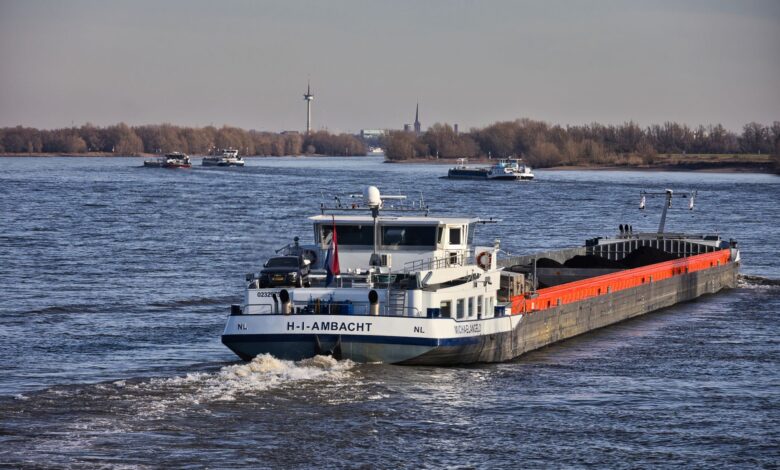
Barge terminal ground leases are not the kind of asset that shows up in investment pitch decks at cocktail parties. They sit at the intersection of infrastructure, logistics, and real estate – unglamorous by design, structurally durable by nature. Yet a growing number of hedge funds have been quietly building positions in these leases over the past several years, treating them as long-duration yield instruments with a hard-asset floor that most equity strategies simply cannot replicate.
The mechanics are straightforward. A ground lease gives the leaseholder the right to operate on a parcel of land – in this case, land adjacent to inland waterways, rivers, or coastal channels – without owning the underlying real estate. For barge terminals specifically, these leases often run 30 to 99 years, carry inflation-linked rent escalators, and sit beneath operations that are expensive to relocate. That combination – long duration, embedded pricing protection, and tenant stickiness – is exactly what institutional capital has been hunting for in a higher-rate environment.
Why Barge Infrastructure Attracts Patient Capital
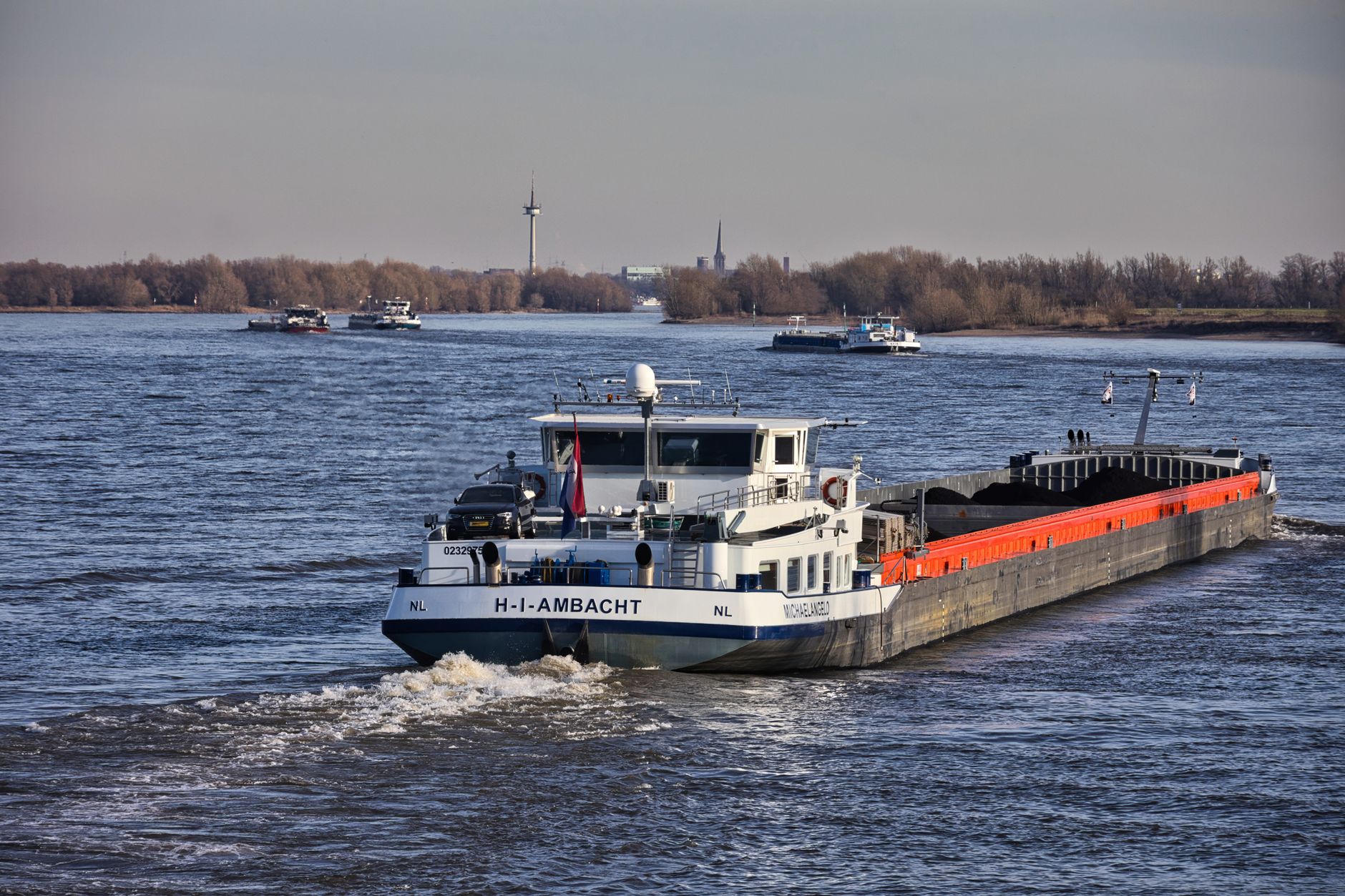
Inland waterway freight is one of the more cost-efficient modes of bulk cargo transport available in the United States. Moving commodities like grain, coal, fertilizer, and petroleum products by barge costs a fraction of what rail or trucking charges per ton-mile. That economic reality keeps demand for barge terminal capacity relatively stable across economic cycles, which in turn makes the ground beneath those terminals genuinely valuable to investors who care less about upside and more about predictable cash flows over decades.
The appeal for hedge funds specifically – rather than more traditional infrastructure or real estate funds – comes from market structure. Ground lease interests tied to barge terminals are not traded on exchanges. They are acquired through private negotiations, estate sales, bankruptcy proceedings, or spinoffs from industrial companies looking to monetize non-core real estate. That opacity creates pricing inefficiencies, and pricing inefficiencies are the natural habitat of hedge fund capital. A fund with the legal and underwriting capacity to evaluate a 50-year lease on a terminal along the Ohio River can potentially acquire that interest at a discount that no liquid-market investment would ever offer.

How the Trade Actually Works
The structure of a barge terminal ground lease acquisition typically involves purchasing the fee interest in the land or acquiring the leasehold position through a special purpose vehicle. In cases where the terminal operator has a long-standing lease already in place, a fund might buy the landlord position – essentially stepping into the shoes of whoever has been collecting rent – and hold that stream of payments as a fixed-income-adjacent asset. The yield depends on the remaining lease term, the creditworthiness of the terminal operator, and the escalation schedule written into the original agreement.
What makes this particularly attractive right now is the gap between the replacement cost of waterfront industrial land and the rents being collected under leases written one or two decades ago. Many of these agreements were signed when waterfront industrial property was not viewed as scarce. Since then, environmental regulations, zoning restrictions, and general industrial land scarcity have made it increasingly difficult to permit and develop new barge terminal sites. The landlord sitting on a 40-year lease at below-market rent may be earning less than current market rates today, but they hold a position that becomes considerably more valuable at renewal – or that can be sold at a premium to someone willing to wait for it.
Hedge funds approaching this space often focus on leases that are 10 to 20 years from expiration. That window is short enough that the renewal or renegotiation event is visible on the investment horizon, but long enough that the fund can underwrite the interim cash flows and model the reversion scenario with some confidence. The terminal operator, facing the prospect of relocating an entrenched industrial operation, has almost no leverage at renewal. Moving a barge terminal – with its docking infrastructure, storage tanks, conveyor systems, and regulatory permits – is prohibitively expensive, which means landlords consistently extract meaningful rent increases at the end of long lease terms.
This same dynamic has attracted attention in adjacent sectors. Funds that have been building positions in natural gas storage cavern leases are working from a nearly identical playbook: long-duration, operationally captive tenants, difficult-to-replicate physical infrastructure, and pricing power concentrated in the hands of whoever controls the land. Barge terminal ground leases are a variation on that same structural bet.
The Risk Layer Most Investors Miss
This is not a riskless trade. The primary concern is commodity exposure at one remove. Barge terminals tied to agricultural exports are heavily dependent on crop yields, export demand, and river navigability – factors that can compress volume and, in extreme cases, threaten operator solvency. A terminal operator who loses freight volume for two consecutive years may start missing rent or seeking concessions, which converts a passive income stream into an active workout situation that most hedge funds are equipped to handle but would prefer to avoid.
Water level risk is a specific and underappreciated factor. Extended drought conditions along the Mississippi River system, for example, have historically forced barge operators to reduce load capacities, raising per-unit costs and squeezing margins. A terminal operator running thin margins during a drought is a different credit risk than one operating at capacity. Funds underwriting these leases need to account for climate variability in their cash flow projections – not as an abstract concern, but as a real operational factor with documented historical precedent.

Who Is Buying and What They Expect
The buyers in this space tend to be mid-size hedge funds with dedicated real assets or credit sleeves, family offices with long time horizons, and a small number of specialist infrastructure funds that operate outside the conventional private equity model. Large institutional funds rarely get involved directly because the deal sizes are too small and the diligence process is too idiosyncratic to justify the allocation relative to other opportunities. That keeps the competitive field thin, which is precisely why the returns remain attractive.
Expected returns vary considerably based on lease structure, but the general underwriting thesis targets low-to-mid double-digit IRRs on positions where a near-term lease expiration creates a reversion event. On longer-dated leases with stable operators, the return profile looks more like infrastructure debt – lower yield, lower volatility, meaningful duration. Funds building diversified portfolios of these leases are essentially constructing a private credit book collateralized by irreplaceable waterfront land.
The broader question hanging over this trade is what happens to inland freight infrastructure as energy transition progresses. Coal represents a meaningful share of barge cargo on certain river systems, and a sustained decline in coal shipments would reduce terminal utilization at those specific sites. Funds aware of that exposure are deliberately steering toward terminals with diversified cargo profiles – grain, chemicals, and petroleum products – that are far less vulnerable to any single commodity’s secular decline. A terminal that ships agricultural exports to Gulf Coast ports has a very different long-term outlook than one built around Appalachian coal, and the lease pricing between those two asset types has not yet fully reflected that distinction.