
The Quiet Accumulation
Hedge funds are moving into propane storage terminal leases with unusual deliberateness, building positions in an asset class that most retail investors have never heard of – and that generates steady, contractual cash flows largely untouched by equity market volatility.
Why Propane Storage, Why Now
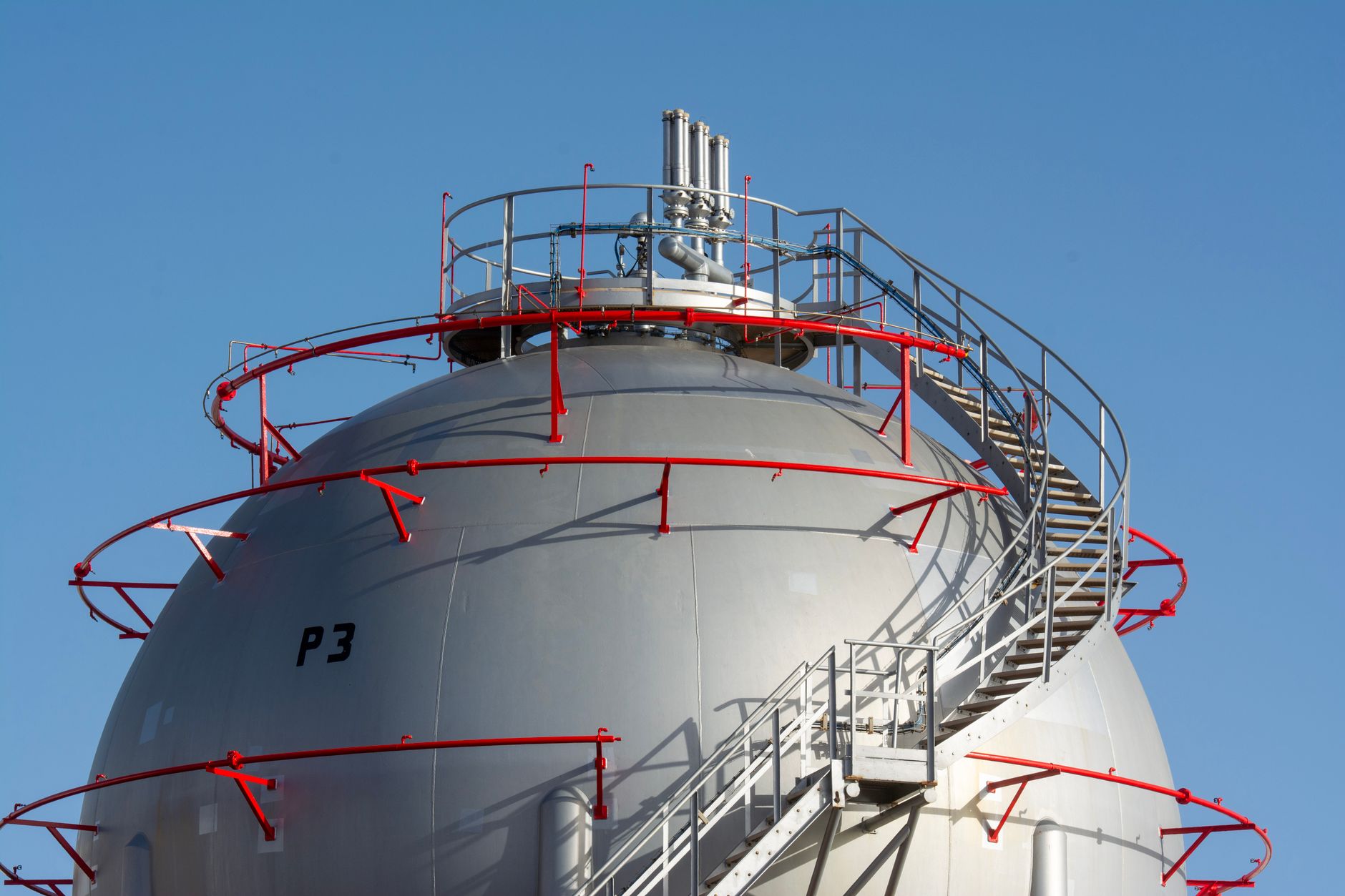
Propane storage terminals sit at a specific chokepoint in the energy supply chain. Propane produced from natural gas processing and crude oil refining has to go somewhere between extraction and end-use delivery – and that somewhere is a network of storage terminals, most of them tank farms connected to pipeline systems, rail lines, or marine docks. The lease on that infrastructure, rather than the commodity itself, is what hedge funds are quietly acquiring. The distinction matters enormously. Commodity prices swing wildly; lease revenues do not.
Terminal leases are typically structured as throughput agreements or fixed-capacity contracts, meaning the terminal operator gets paid whether propane is flowing or sitting still. Counterparties tend to be midstream companies, regional distributors, and agricultural cooperatives – entities with strong credit profiles and multi-year contract horizons. That combination of credit quality and contract duration is exactly the profile institutional capital looks for when building inflation-resistant income positions. Propane demand is also seasonal in a predictable way, spiking during winter heating season and agricultural drying season, which creates natural arbitrage opportunities around storage timing.
The deeper structural pull is demographic and geographic. Rural communities across the Midwest, Southeast, and Appalachian regions rely on propane for home heating and agricultural operations at rates that haven’t changed much in decades. These are communities outside natural gas pipeline reach, which means propane isn’t being displaced by pipeline gas anytime soon. Storage terminals serving those regions aren’t facing obsolescence risk – they’re facing stable or growing utilization as housing stock in those areas ages and rural population holds relatively steady.
A growing number of hedge funds, particularly those running real assets strategies alongside their traditional books, have started treating terminal leases the way prior generations treated toll roads or airport concessions: as regulated or semi-regulated infrastructure with a captive demand base. The lease itself is the asset, not the propane. Once that reframing takes hold, the return math becomes attractive compared to what public market infrastructure REITs are currently pricing.
How the Positions Are Being Built
The mechanics of acquiring a propane terminal lease position aren’t straightforward, which is part of why this strategy has stayed quiet. Hedge funds aren’t generally buying public equities here. They’re pursuing direct lease acquisitions, sale-leaseback arrangements with terminal operators, or equity stakes in private terminal operating companies that sit on long-term ground leases. Each path has different risk, liquidity, and return characteristics – and each requires a level of operational due diligence that most generalist funds simply don’t staff for.
Sale-leaseback structures have become particularly active in this space. A terminal operator facing capital constraints sells its facility to a fund, then leases it back under a long-term agreement, typically 15 to 25 years with renewal options. The operator retains operational control and customer relationships; the fund receives a fixed lease payment indexed to CPI or SOFR. For the fund, it’s essentially a long-duration bond backed by physical infrastructure. For the operator, it’s a balance sheet optimization that frees up capital for throughput expansion or debt reduction.
The due diligence process for these transactions is notably different from typical credit or equity analysis. Funds need to assess tank integrity, environmental liability history, permitting status, pipeline interconnect agreements, and local regulatory standing before making a bid. Environmental exposure is the most common deal-killer – older terminals frequently carry legacy contamination issues that can transform an income-producing asset into a liability. Funds that have done this successfully tend to bring in specialized engineering consultants and environmental attorneys early in the process, treating physical inspection with the same rigor as financial modeling.
This connects to a broader pattern visible across alternative energy infrastructure. Family offices have been building similar positions in ethanol terminal leases, applying the same sale-leaseback logic to a different liquid fuel storage network. The playbook is nearly identical: identify fragmented infrastructure with captive demand, acquire the real estate or lease position beneath the operations, and collect contractual income over a long horizon. What’s different with propane is the scale of the geographic footprint and the depth of rural market dependency that makes displacement risk low.
Pricing for these leases has moved meaningfully over the past 18 months as more capital competes for a finite number of well-located terminals. Cap rates that were available at 8 to 9 percent two years ago are now transacting closer to 6.5 to 7.5 percent in the most sought-after markets – primarily terminals with pipeline connectivity and sufficient tank capacity to serve multiple counterparties simultaneously. Funds entering now are still finding opportunities in secondary markets: terminals that serve regional distributors rather than major midstream companies, where fewer institutional bidders are competing and seller sophistication is lower.

Risks the Quiet Money Is Accepting
The strategy isn’t without real exposure. Propane demand has a long-term ceiling driven by electrification of rural heating as heat pump technology improves and rural grid infrastructure expands. That ceiling isn’t close – the economics of electric heating in off-grid rural settings remain challenging, and the capital expenditure required for rural grid modernization is enormous – but terminal leases with 20-year terms signed today will mature into a market that looks different than the current one. Funds underwriting these deals are essentially making a quiet bet that propane’s structural demand in rural markets holds for at least the next decade and a half, which is a reasonable but not riskless assumption.
Liquidity is the other honest problem. A propane terminal lease is not a publicly traded instrument. If a fund needs to exit, it’s finding a buyer in a private market, negotiating a price without a live quote, and potentially waiting months for a transaction to close. Funds running these strategies inside longer-duration vehicles – closed-end structures with five to seven year lockups – are better positioned to absorb that illiquidity premium than those trying to squeeze the strategy into a more liquid wrapper. The ones that have structured the investment vehicle correctly can treat illiquidity as a return enhancer rather than a risk factor.
What makes the current moment telling is that several funds running these strategies have started hiring former midstream operations executives as in-house consultants – people who spent careers managing terminal assets and know exactly which facilities have deferred maintenance, which operators are stretched thin, and which geographic markets are underserved. That operational knowledge is the real competitive advantage, and assembling it quietly, before a trade becomes crowded, is the entire point.