

The Quiet Land Grab Beneath Your Feet
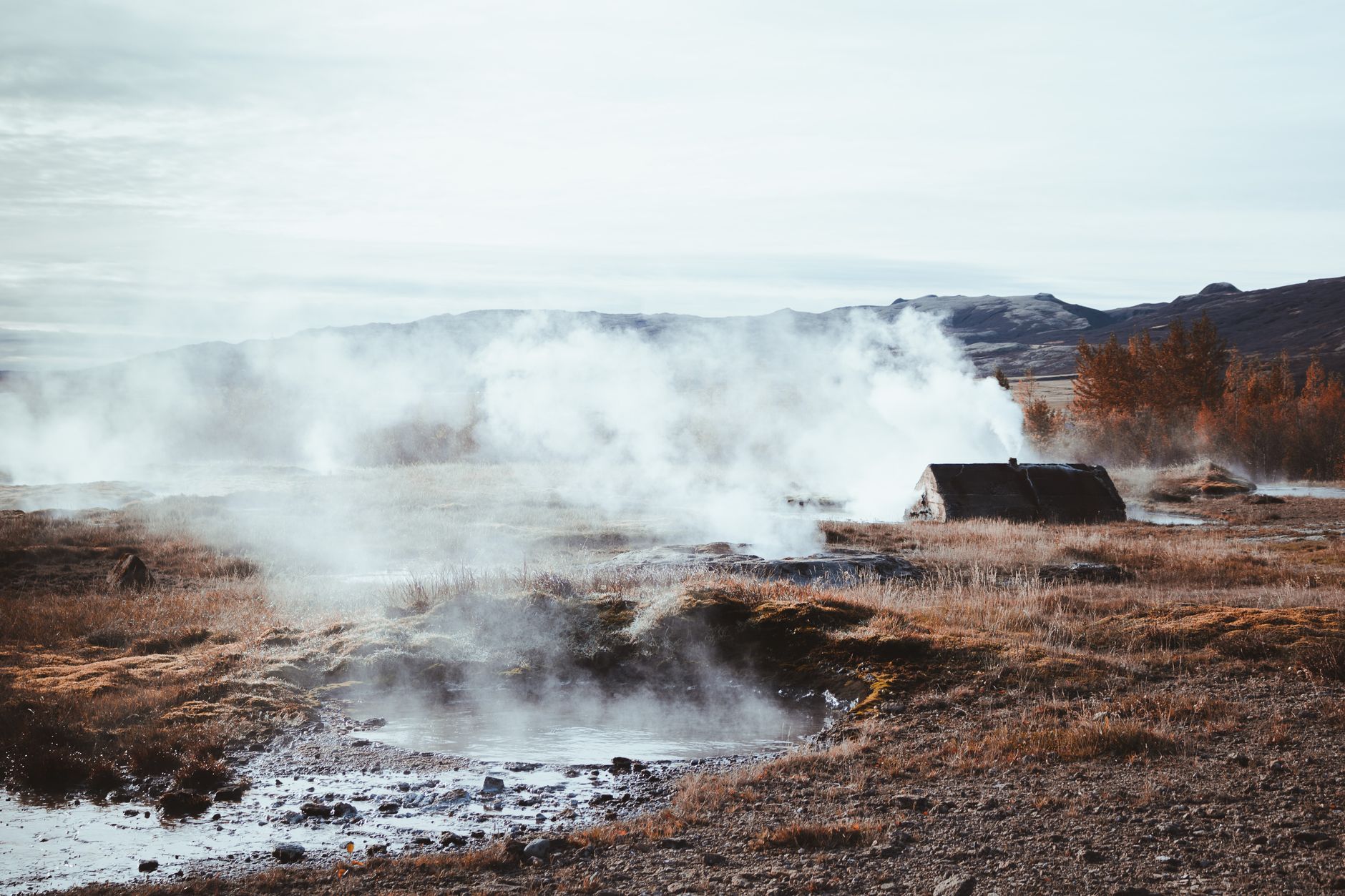
Geothermal energy has spent decades as the overlooked cousin of solar and wind – technically viable, geologically abundant, but perpetually underfunded and underbuilt. That calculus is shifting, and the clearest signal isn’t coming from energy companies or government mandates. It’s coming from pension funds, which have begun accumulating surface leases on geothermal-rich land in the western United States, Iceland, East Africa, and the Philippines with a steadiness that suggests conviction rather than experimentation.
Surface leases – the legal rights to access and develop land above geothermal reservoirs – are the foundational asset in any geothermal project. Without them, no drilling, no plant construction, no power generation is possible. Pension funds, whose investment horizons stretch 30 to 50 years, are acquiring these rights now, before development costs are locked in and before the land appreciates to reflect the energy transition premium that most geologists believe is coming.
Why Surface Leases, and Why Now
The structure of a geothermal surface lease is closer to a real estate investment than a typical energy trade. A pension fund that secures a long-term lease on land sitting above a viable hydrothermal reservoir doesn’t need to build anything immediately. The lease itself carries value – as a royalty-generating asset once a developer arrives, as collateral, or as direct development optionality if the fund chooses to partner with an operator. This layered structure fits naturally with the liability-matching logic that drives pension allocation decisions.
Geothermal also produces power around the clock, unlike solar and wind, which are intermittent by nature. A surface lease tied to a producing geothermal plant generates stable, long-duration cash flows – the kind pension funds have historically sourced from toll roads, airports, and water utilities. The energy transition has compressed available infrastructure in those traditional categories while simultaneously pushing up valuations. Geothermal leases represent an early entry into a category that hasn’t yet been priced to reflect that demand.
The regulatory environment is also tilting favorably. The U.S. Inflation Reduction Act extended and expanded production tax credits for geothermal energy, and several western states have updated permitting frameworks to reduce the exploration timeline from years to months in designated zones. For a pension fund underwriting a 40-year asset, faster permitting means faster revenue realization – which makes the lease worth more at the time of acquisition.
The Geography of the Opportunity
Not all geothermal land is equal. The most attractive surface leases cluster around what geologists call the Ring of Fire and the Basin and Range Province in the American West – Nevada, Utah, and California’s eastern edge. These regions combine shallow geothermal gradients with existing transmission infrastructure, meaning a developer can connect a plant to the grid without building hundreds of miles of new lines. Pension funds focused on capital efficiency are zeroing in on leases within a reasonable distance of existing substations, because that proximity can cut development costs significantly and shorten the timeline to first power.
East African geothermal acreage, particularly in Kenya and Ethiopia, is drawing attention from European pension allocators looking for emerging-market infrastructure exposure with a clean energy wrapper. Kenya’s Olkaria geothermal complex has been producing power for decades and demonstrates that the geological resource is bankable. Leases surrounding established producing areas carry lower exploration risk, and that reduced risk profile is exactly what a pension fund’s risk committee needs to approve an unfamiliar asset class.
How the Positions Are Being Built
Pension funds rarely acquire surface leases directly. The more common structure involves a specialized real assets fund or a geothermal-focused developer acting as the operating partner, with the pension providing equity capital in exchange for a preferred return and a carried interest in eventual lease appreciation or royalty income. This keeps the pension fund off the operational hook while giving it economic exposure to the underlying land rights.
Some larger funds are moving toward direct co-investment, bypassing the fund structure entirely and negotiating lease acquisitions alongside a developer. This cuts fee drag and gives the pension more control over lease selection and holding period. It requires more internal expertise, but a growing number of large public pension systems have built out real assets teams capable of underwriting geothermal geology, at least at a high level.
The royalty structure is worth examining closely. A surface lease tied to geothermal production typically entitles the landowner – or the leaseholder – to a percentage of gross electricity revenue, similar to how oil and gas royalties function. These royalty streams are inflation-sensitive in a useful way: electricity prices tend to rise with energy costs broadly, providing a hedge that nominal bonds cannot. For a pension fund managing real liabilities – defined benefit payments that rise with wages and cost of living – an inflation-linked royalty stream from a 30-year geothermal lease is structurally attractive in a way that goes beyond yield alone. This pattern of institutional capital targeting long-duration subsurface rights is visible across resource categories; endowments have been building similar positions in aquifer storage rights, applying comparable logic to water rather than heat.

The primary risk that pension investment committees are grappling with is resource risk – the possibility that a reservoir underperforms the geological survey, producing less heat or pressure than modeled. This risk is real, but it’s front-loaded: once a well is drilled and a reservoir is confirmed, the variability drops sharply. Funds acquiring leases in areas adjacent to confirmed producing fields are essentially buying de-risked geology, paying a premium for that certainty but accepting a risk profile closer to infrastructure than to exploration. The open question is whether the premium being paid today for geothermal-adjacent acreage already prices in the upside that most buyers expect – and whether the next decade of development activity will validate those land values or expose them as speculative.