
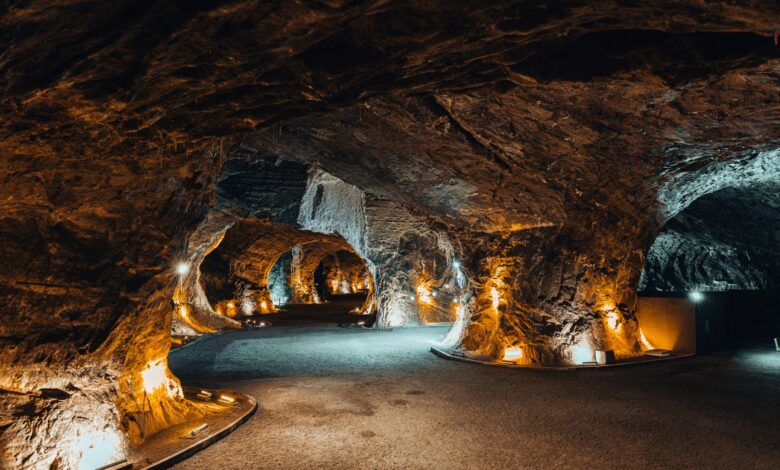
Pension funds managing retirement savings for teachers, firefighters, and municipal workers are moving into an asset class that most financial media hasn’t noticed yet: long-term leases on underground geological formations capable of storing compressed air at industrial scale.
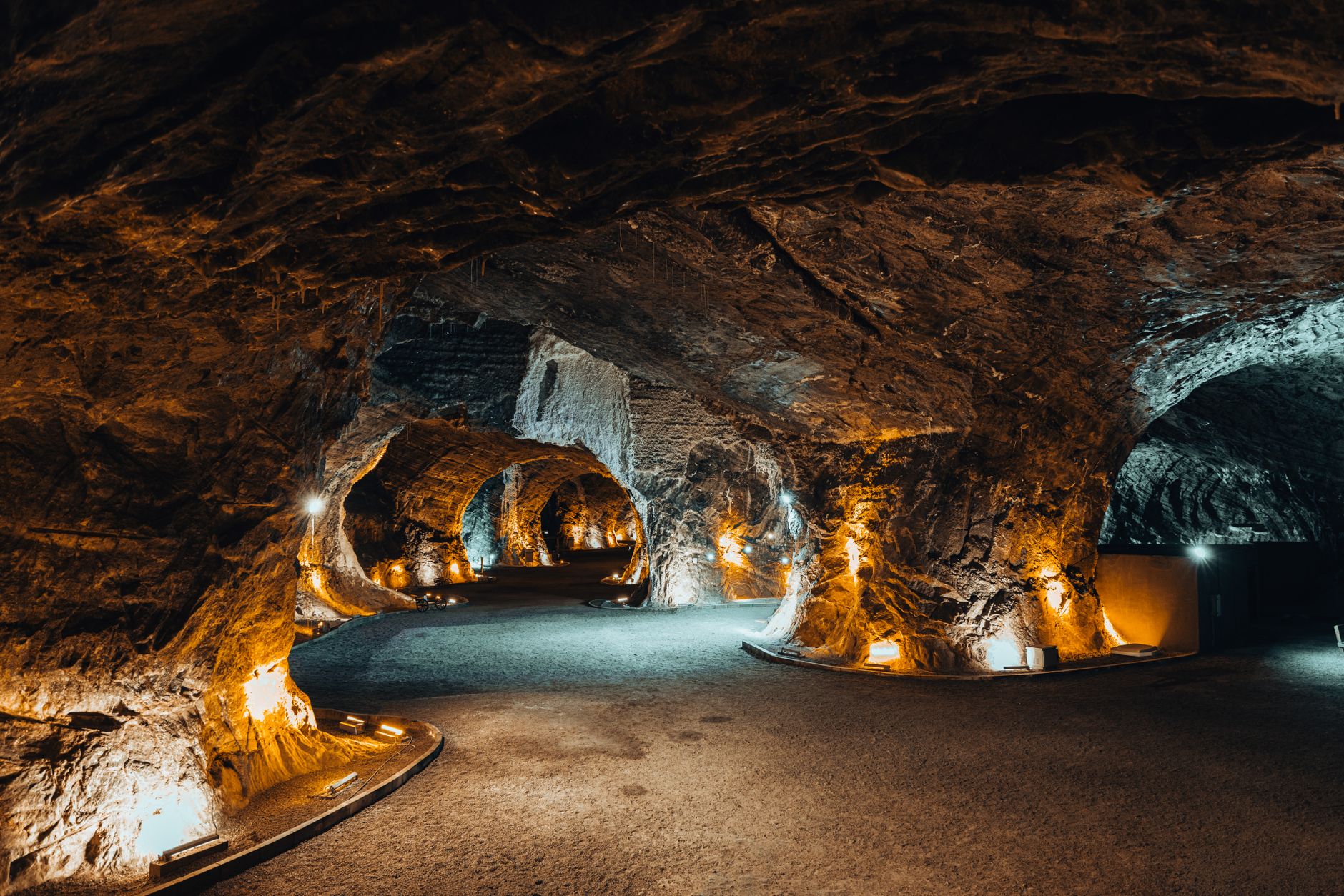
Why Compressed Air Storage Became a Real Estate Play
Compressed air energy storage, known as CAES, works by pumping air into sealed underground caverns – typically salt caverns, depleted natural gas fields, or porous rock formations – during periods of low electricity demand, then releasing it to generate power when the grid needs it most. The technology itself isn’t new. What’s new is the financing structure surrounding it. As electricity grids absorb more variable renewable generation from wind and solar, the value of bulk long-duration storage has increased sharply, and developers need long-term land control to secure project financing.
That need for land control created a lease market. Landowners above suitable geological formations – often in Texas, Kansas, Louisiana, and parts of the Gulf Coast where salt dome geology is common – are signing 30- to 50-year surface and subsurface leases with CAES developers. The lease payments are structured similarly to royalty agreements: a base annual payment plus performance bonuses tied to operational milestones. For pension funds looking for steady, inflation-indexed income streams with minimal operational complexity, the structure fits their liability profile almost perfectly.
The attraction isn’t just the income. Underground storage leases are largely uncorrelated with public equity markets. A compressed air cavern in western Texas doesn’t care what the S&P 500 does in a given quarter. Pension funds with long time horizons and predictable payout obligations have spent years searching for assets that generate durable cash flows without the volatility that comes with traditional fixed income or equity exposure. Physical infrastructure leases, particularly those tied to energy storage, check that box in a way that few asset classes can.
The geological scarcity factor matters too. Not every location can host a CAES project. Suitable salt formations, the right depth, proximity to transmission infrastructure, and access to adequate water supply all narrow the field considerably. That scarcity gives existing lease holders a defensible position – once a formation is committed to a long-term project, competing developers can’t simply move in next door. Pension funds that understand mineral rights and royalty investing recognize this dynamic immediately.

How Pension Funds Are Structuring the Exposure
Direct lease acquisition is one route, but it requires geological due diligence that most pension fund investment teams aren’t equipped to do internally. The more common approach involves co-investment vehicles structured by specialized infrastructure managers who aggregate individual leases into portfolios, handle the technical screening, and then offer institutional investors a pooled interest. This is structurally similar to how endowments have built positions in aquifer storage rights – through intermediaries who manage the physical asset complexity while institutional capital provides the patient funding.
The lease aggregation model matters because single-site concentration risk is real. A geological survey might look promising, but a project can still stall due to permitting delays, transmission bottlenecks, or shifts in state energy policy. A portfolio of 15 to 20 leases across multiple formations and jurisdictions smooths out those project-level risks considerably. Pension funds, which typically require diversification as a fiduciary matter, find this pooled approach far more palatable than betting on a single formation.
Valuation is where the asset class gets complicated. Compressed air storage leases don’t trade on any exchange. Pricing depends on geological assessments, projected power prices over the lease term, the creditworthiness of the counterparty developer, and the regulatory environment in the relevant state. Portfolio managers have to rely on independent appraisals and comparable transaction data, which remains thin given how early this market is. Some pension fund boards have pushed back on CAES lease allocations specifically because the mark-to-market methodology is difficult to explain to trustees or beneficiaries.
Inflation linkage is a feature that pension funds specifically seek out, and well-structured CAES leases deliver it. Base lease payments are typically indexed to CPI or wholesale power price benchmarks, meaning the income stream adjusts upward as prices rise. For a pension fund with obligations that grow with inflation – teacher salaries, cost-of-living adjustments for retirees – matching that liability profile on the asset side reduces funding risk without requiring the fund to take on additional equity volatility.
State-level energy policy creates the most significant uncertainty in the asset class. A CAES project in a state that aggressively supports grid-scale storage through tax credits, streamlined permitting, or long-term offtake contracts looks very different from one in a state where energy storage policy is undefined or hostile. Pension fund allocators have to model regulatory scenarios over a 30-year horizon, and that requires political risk analysis that sits outside traditional infrastructure investing frameworks. Some funds have responded by limiting their CAES lease exposure to projects in states with established energy storage mandates.
The Risks That Don’t Show Up in the Pitch Deck
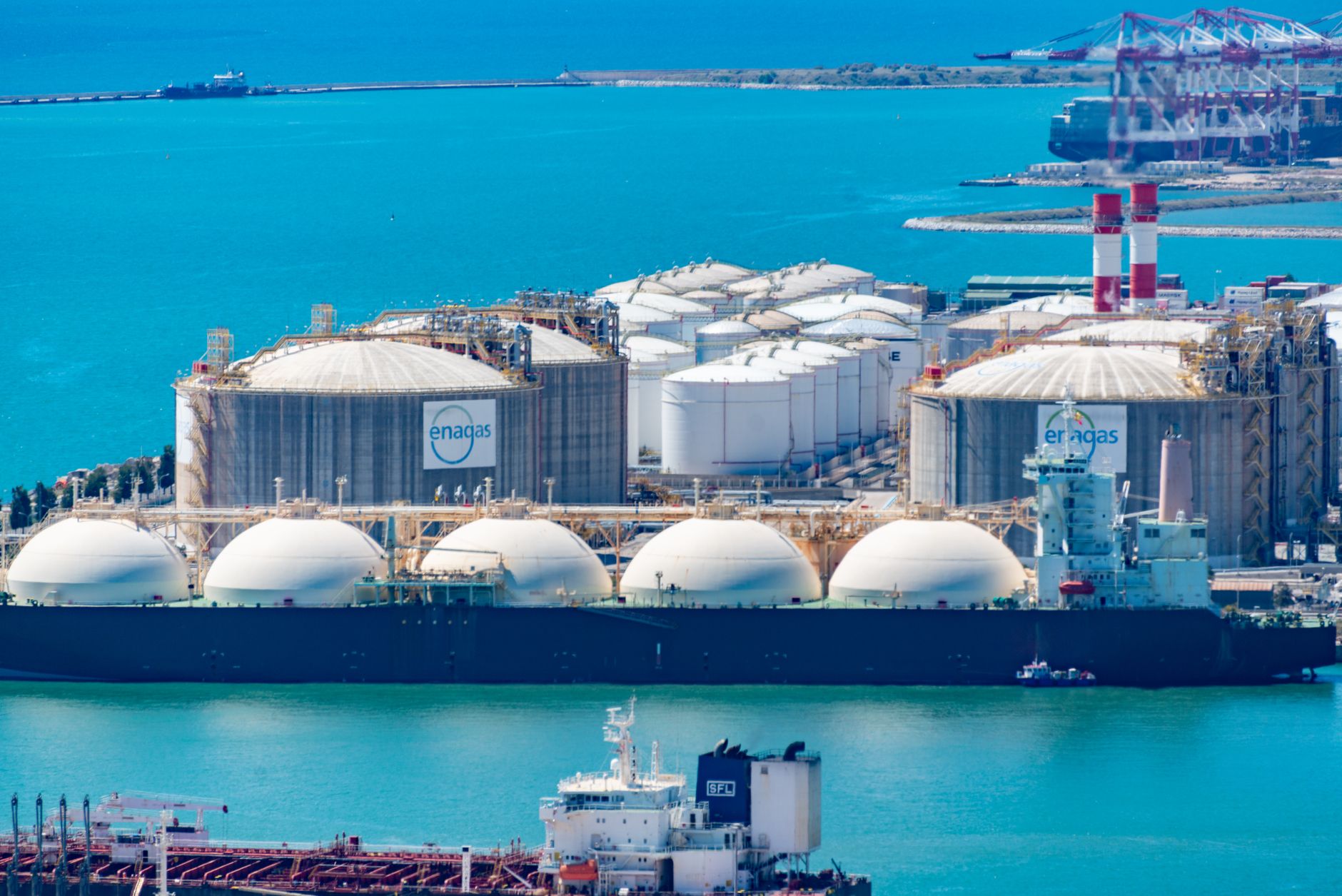
Liquidity is the issue that rarely gets enough attention in initial allocations. A 40-year lease on a salt cavern in Louisiana is not something you sell quickly if a pension fund’s liability profile changes or a board decides to rebalance toward a different strategy. Secondary market infrastructure for these assets is minimal, and forced-sale pricing in a thin market can be punishing. Funds that treat CAES leases as truly permanent capital – held to maturity alongside the underlying project timeline – are positioned appropriately. Those that size the position without accounting for the illiquidity premium embedded in the return projection are taking on more risk than their models suggest.
There’s also a technology displacement question that doesn’t have a clean answer. CAES competes with battery storage, pumped hydro, and emerging long-duration storage technologies. If battery costs continue declining at their recent pace, some CAES projects that look economically viable today may face competitive pressure from grid-scale lithium or iron-air battery installations within 15 years – well within the active term of a lease that runs through the 2060s. The lease itself retains value as long as the counterparty developer honors it, but the developer’s financial health is tied to the project’s economics, and a project that can’t compete on power cost won’t remain solvent indefinitely. That counterparty risk is the thread that, if pulled, unravels everything else.