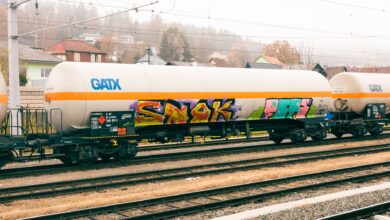

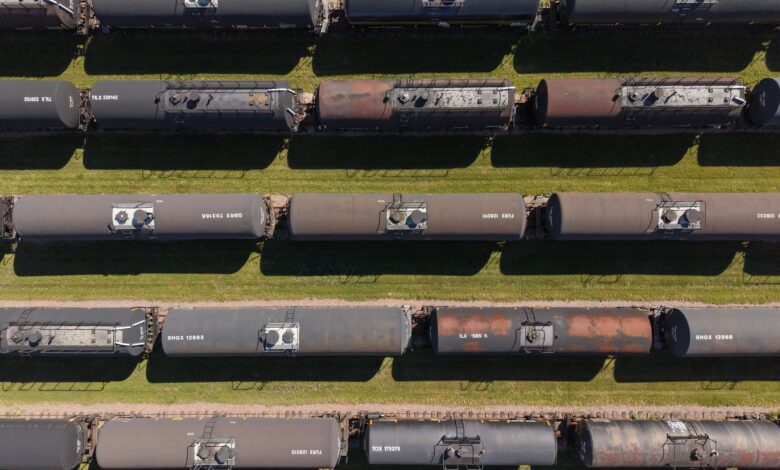
Pension funds managing retirement assets for teachers, municipal workers, and state employees are quietly moving into one of the more unusual corners of infrastructure finance: long-term leases on chlorine rail cars, the specialized tank cars used to transport one of the most tightly regulated industrial chemicals in North America.
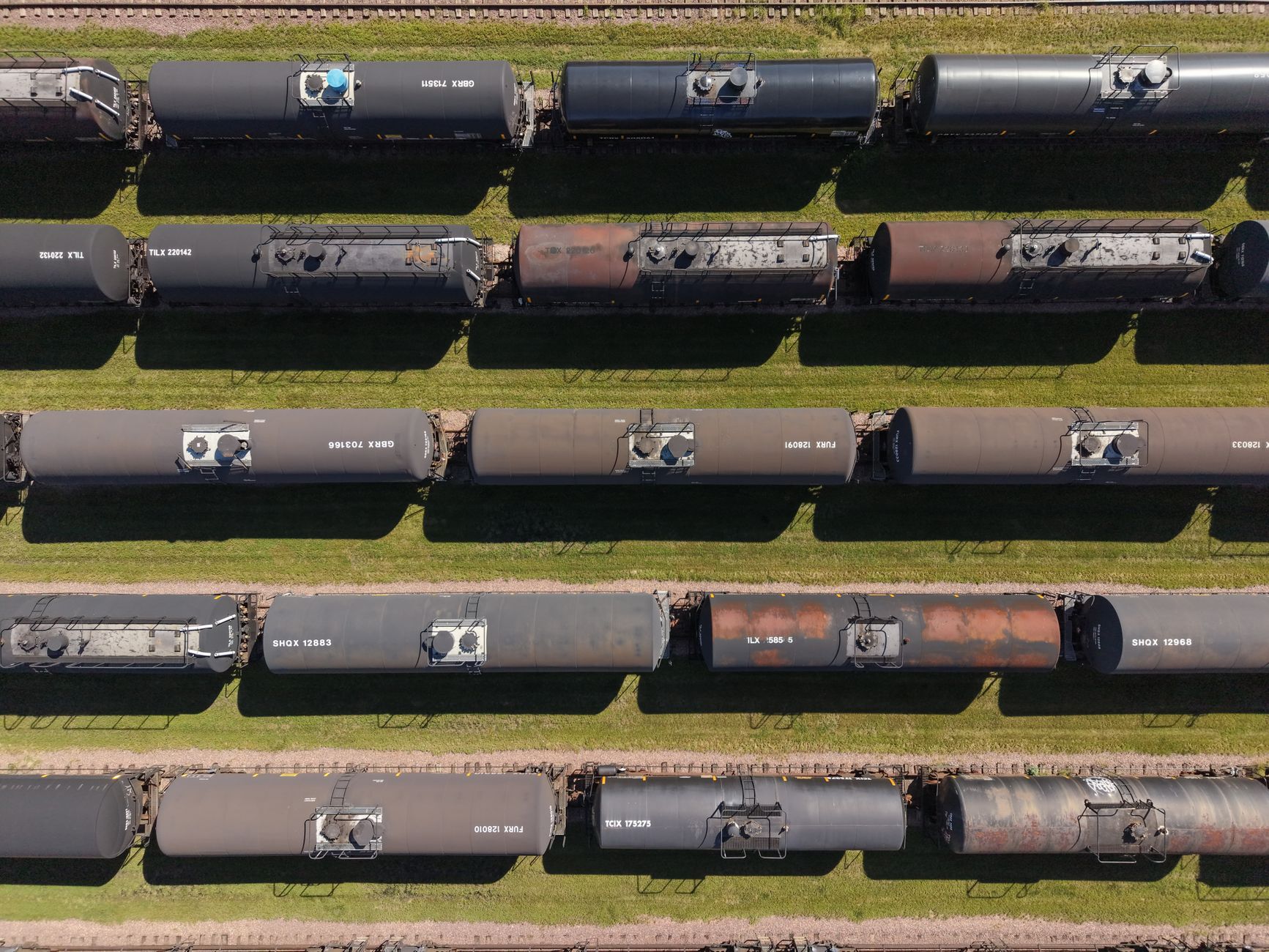
Why Chlorine Rail Cars Are Suddenly Attractive to Institutional Capital
Chlorine is not a glamorous commodity. It doesn’t attract the headlines that lithium or copper do. But it is essential – used in water treatment, plastics manufacturing, pharmaceutical production, and dozens of other industrial processes that show no sign of declining. That persistent, non-cyclical demand profile is exactly what pension fund managers are chasing right now, as they look for assets that produce steady, long-duration cash flows without the volatility of equity markets.
The rail cars themselves are highly specialized. Chlorine is a compressed, toxic gas transported in DOT-105 pressure tank cars built to strict federal specifications. A single car costs well over $100,000 to manufacture, and the pool of qualified operators who can lease, maintain, and handle these assets is small by design. That scarcity creates pricing power. When a chemical producer needs to ship chlorine, they cannot simply substitute a generic freight car – they need the specific equipment, and they need it certified and maintained to current regulatory standards.
Lease structures in this space typically run 10 to 20 years, with chemical producers paying fixed monthly rents regardless of shipping volumes. That structure mirrors the kind of take-or-pay contracts that pension funds have long favored in pipeline and utility infrastructure. The lessee bears operational risk; the asset owner collects a predictable stream of income. For a fund managing long-dated liabilities tied to retiree payouts decades into the future, a 15-year chlorine car lease looks a lot like a bond – but one backed by physical equipment that is genuinely difficult to replace.
The entry point for this asset class is also relatively accessible compared to toll roads or airports. Rail car portfolios can be assembled gradually, with funds acquiring stakes in leasing companies or directly purchasing fleets of cars and contracting them to industrial users. Several mid-sized institutional investors have reportedly structured these positions through private credit vehicles, keeping the exposure off their public market allocations entirely. This quiet accumulation has drawn little attention precisely because it doesn’t require the large, headline-grabbing transactions that infrastructure deals usually involve.
The Mechanics of a Chlorine Car Lease Portfolio
Building a position in chlorine rail car leases requires navigating a niche but well-established market. The Federal Railroad Administration maintains strict oversight of hazardous materials transport, which means every car in a fleet must meet ongoing inspection and certification requirements. This regulatory burden actually works in favor of long-term asset holders – it raises the cost and complexity of market entry, reducing competition and keeping lease rates firm.
A typical portfolio structure involves owning a fleet of 50 to 200 cars, leased across multiple counterparties to spread credit risk. Chemical manufacturers, water utilities, and paper mills are common lessees. Because chlorine is used in continuous industrial processes rather than seasonal ones, utilization rates on compliant equipment tend to stay high throughout the economic cycle. Even during industrial downturns, water treatment and pharmaceutical manufacturing continue, sustaining baseline demand for the cars.

Maintenance costs are real and should not be underestimated. Chlorine tank cars require periodic pressure testing, valve replacement, and compliance updates when federal safety standards change. These costs typically run into the thousands per car annually, and a regulatory update – such as a revised DOT standard for tank wall thickness or pressure relief systems – can trigger fleet-wide retrofitting expenses. Sophisticated investors structure leases to pass through certain regulatory compliance costs to lessees, but negotiating that language requires industry knowledge that most pension fund investment teams don’t hold in-house.
That knowledge gap is why most pension funds are accessing this space through specialized rail car leasing companies rather than owning cars directly. The arrangement works like a private equity co-investment or a real estate partnership: the fund provides capital, the operating partner manages the fleet, and economics are split according to negotiated terms. This approach adds a layer of fees but reduces the operational burden on the institutional investor, which typically lacks the internal capacity to track regulatory compliance across hundreds of tank cars.
This kind of niche industrial infrastructure play sits in the same broader category as pension funds building exposure to potash pipeline throughput agreements – both strategies target essential industrial supply chains where fixed-rate, long-duration contracts provide bond-like income with physical asset backing. The chlorine car market is smaller and less publicized, but the underlying investment logic is nearly identical.
Risks That Don’t Show Up in the Pitch Deck
The headline risk in chlorine rail transport is obvious: chlorine is acutely toxic, and a derailment or leak can trigger mass evacuation, federal investigation, and civil litigation. Rail car owners – not just operators – can face liability exposure depending on how leases are structured and how insurance is written. Funds acquiring stakes in leasing companies need to confirm that indemnification language in their operating agreements is airtight, and that insurance coverage extends to the ownership layer, not just the operator. This is not a hypothetical concern; historical rail incidents involving hazardous materials have resulted in protracted legal battles that drew in equipment owners who never touched the physical cars.
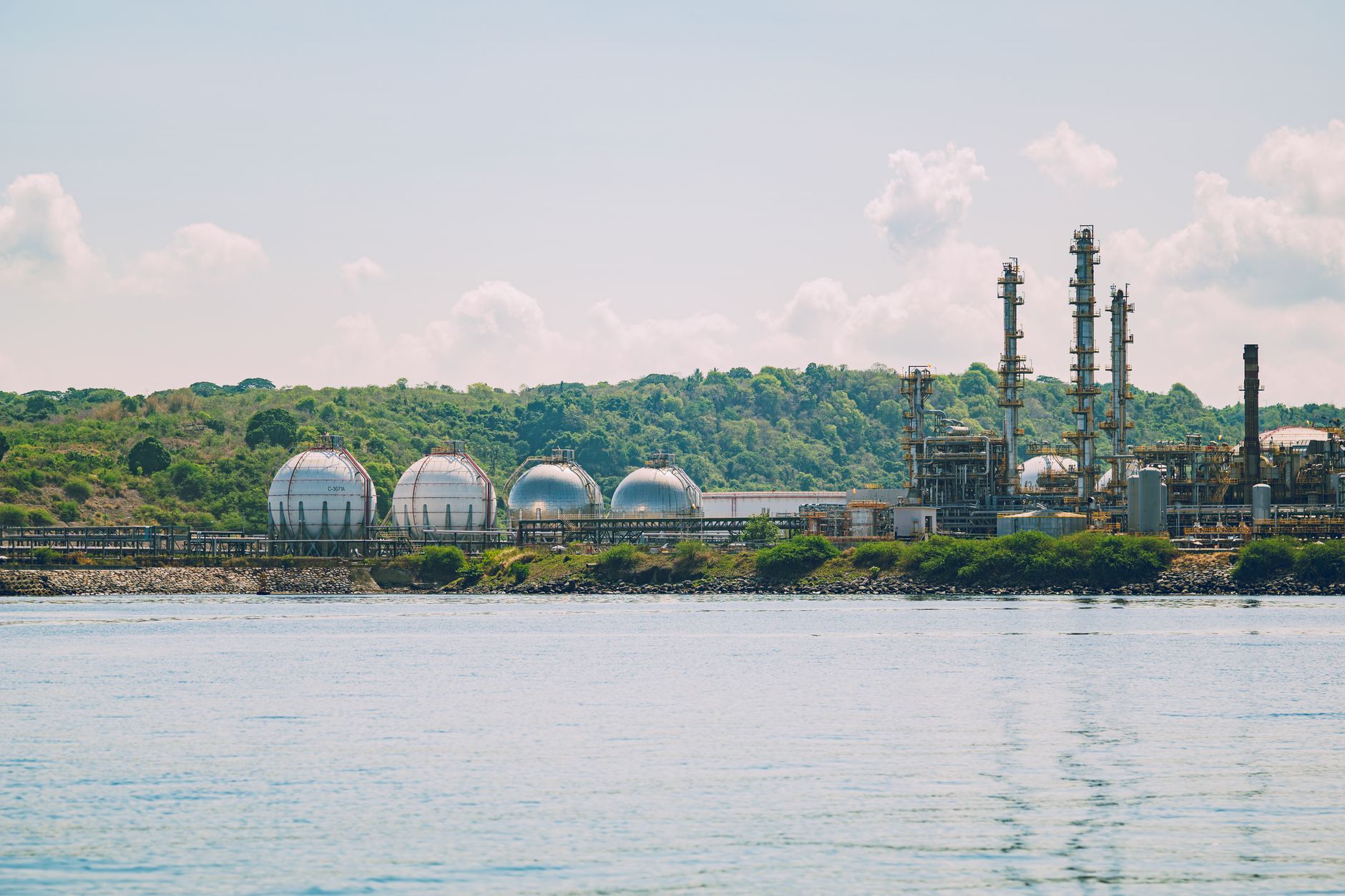
There is also a longer-term question about chlorine’s role in industrial chemistry. Environmental pressure on chlorinated solvents and certain chlorine-derived plastics has been building for years, and some downstream uses of chlorine face substitution risk over a 20-to-30-year horizon. A 15-year lease signed today may expire into a market where demand for chlorine transport is meaningfully different – either because chemical production has shifted geographically, or because certain industries have moved to alternative inputs. Pension funds with long liability horizons need to think carefully about whether their chlorine car positions will still be generating strong rental income when the leases roll in the late 2030s or early 2040s.