
The Quiet Pivot Into Industrial Mineral Royalties
Pension funds managing retirement assets for teachers, municipal workers, and state employees are buying into something most of their beneficiaries have never heard of: royalty streams tied to bentonite mining operations. It is a niche corner of the commodities market, but the logic driving the allocation is straightforward enough to follow.
Why Bentonite, and Why Now
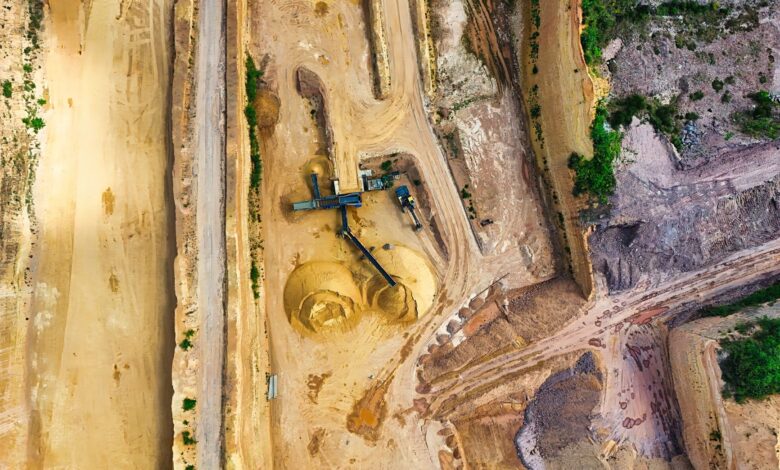
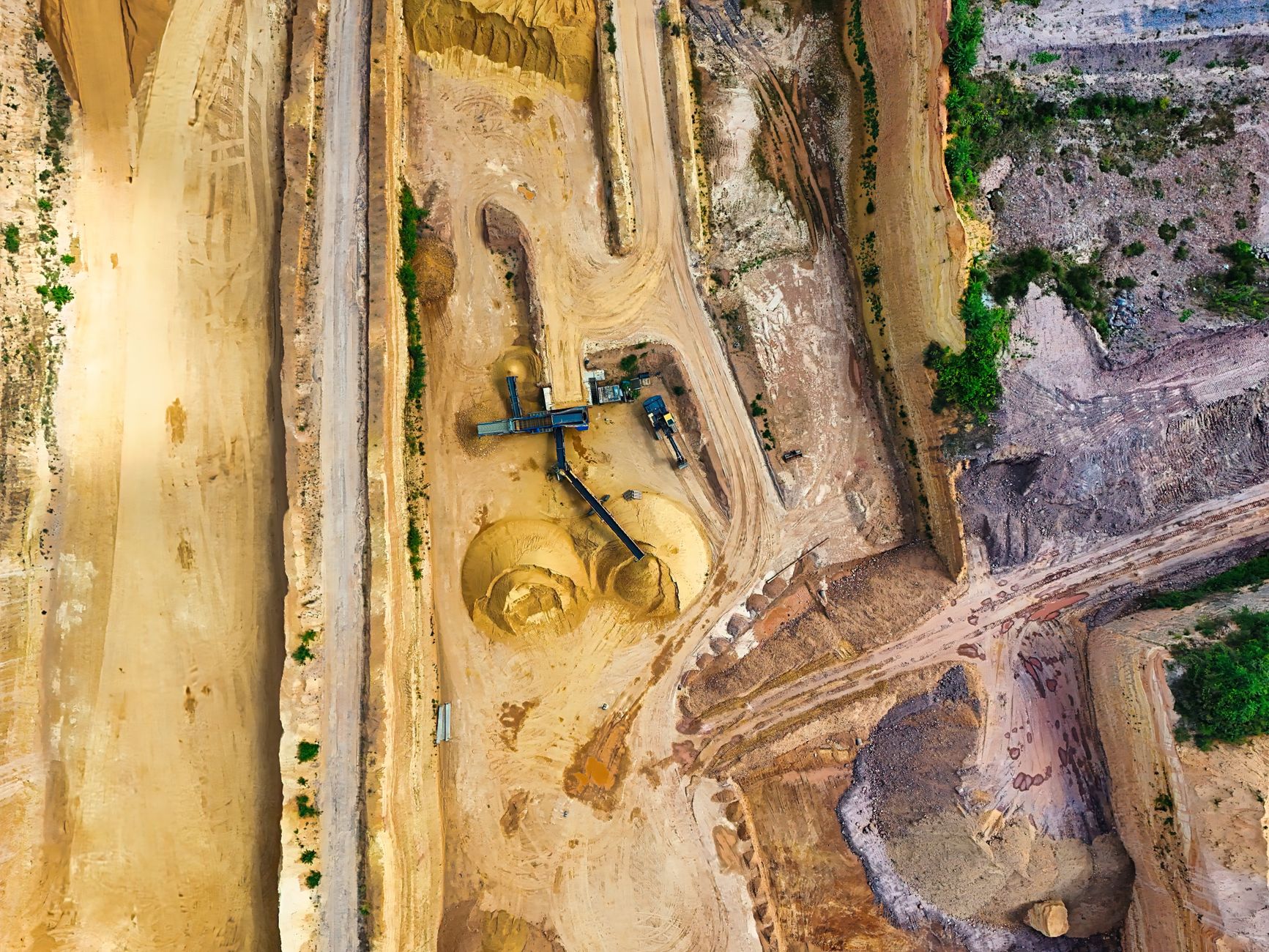
Bentonite is an absorbent clay mineral with a surprisingly wide range of industrial uses. It shows up as a binding agent in iron ore pellets, as a sealant in landfill liners, as a drilling fluid in oil and gas wells, and increasingly as a key material in the engineered barriers proposed for nuclear waste repositories. That last application has drawn particular attention from long-duration investors, because geological disposal programs for nuclear materials run on timelines measured in decades, not quarters.
A royalty stream in this context works the same way it does in precious metals or oil and gas. A fund acquires the right to receive a percentage of revenue – or per-tonne payment – from a producing mine without taking on operational costs, environmental liability, or labor exposure. The mine operator handles everything on the ground. The royalty holder collects a check. When commodity prices rise, the royalty scales up. When they fall, the exposure is limited compared to owning equity in the mining company outright.
Pension funds have been building comfort with royalty structures across multiple commodity sectors for several years. The model has been well-documented in gold and silver, where royalty and streaming companies have attracted institutional capital by offering commodity upside with reduced operational drag. Bentonite royalties follow the same architecture, but with a demand profile that is less tied to financial sentiment and more anchored to physical industrial need. Steel production, drilling activity, and infrastructure projects all consume bentonite at relatively predictable rates.
The appeal for a pension fund specifically – as opposed to a hedge fund or private equity vehicle – comes down to duration matching. A fund with liabilities stretching 30 or 40 years into the future needs assets that generate income over the same horizon. A royalty tied to a large bentonite deposit with proven reserves measured in decades maps onto that liability structure better than most publicly traded equities. There is also inflation protection built into the structure: royalty payments indexed to revenue rather than fixed dollar amounts rise naturally when input costs and selling prices climb.
The Mechanics of Building a Position
Pension funds rarely acquire these royalties directly from mining operators. The more common path runs through specialized royalty aggregators – private funds and companies that purchase royalty interests from mine developers, package them, and sell participation rights to institutional investors. This intermediary layer adds a fee drag, but it also provides diversification across multiple deposits and jurisdictions, which matters when any single mine faces operational disruption or permitting problems.
Valuations in this space are not standardized in the way that public equity multiples are. A royalty on a producing mine commands a different price than a royalty on a deposit that is still in exploration or permitting. Duration of the reserve estimate, the creditworthiness of the operator, the jurisdiction’s regulatory environment, and the specific end markets being served all factor into what a buyer is willing to pay. For pension fund managers accustomed to pricing liquid securities, this opacity can be a barrier – but it also means the market is less efficiently priced, which creates opportunity for buyers willing to do the due diligence.
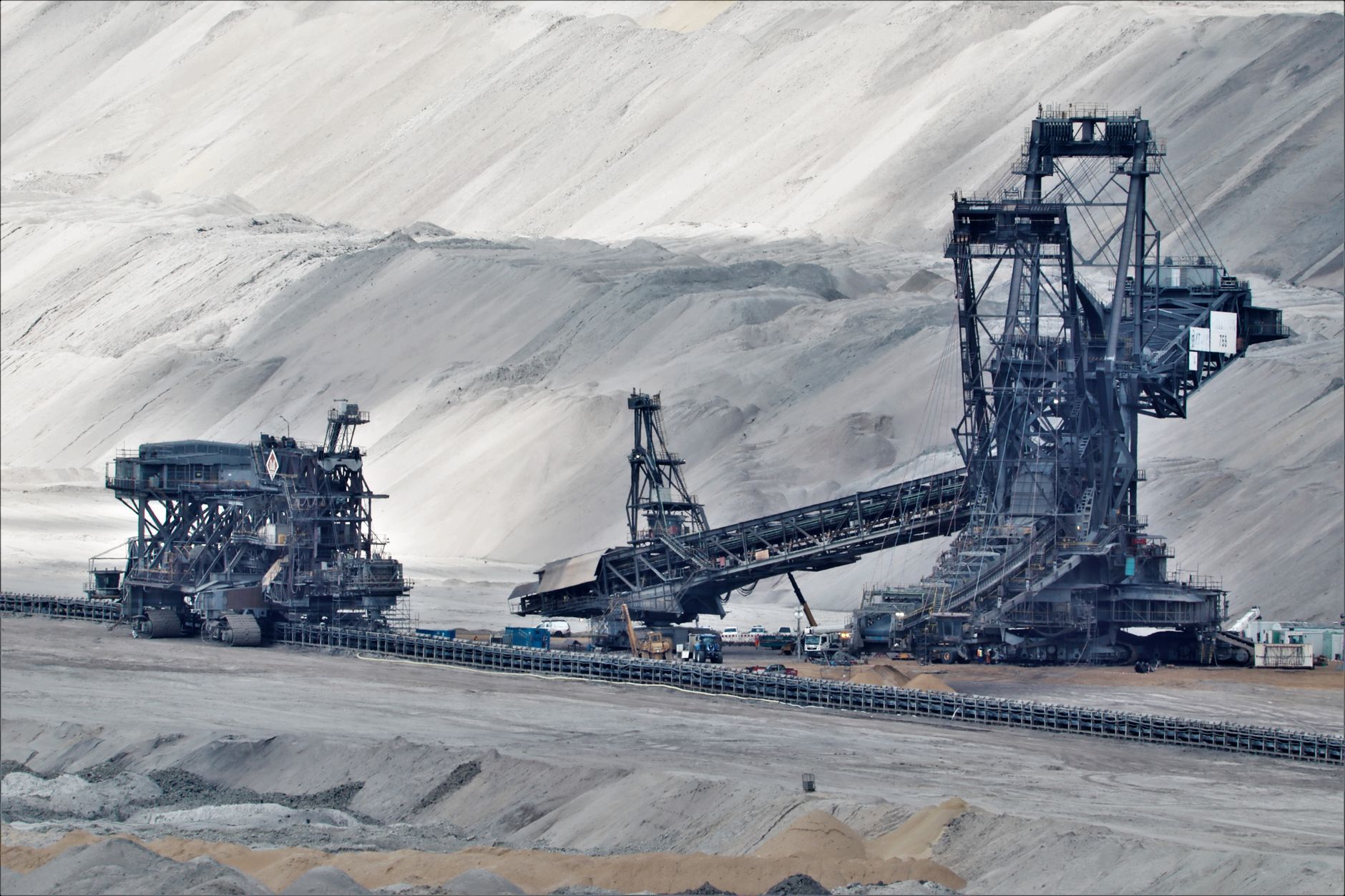
Bentonite deposits are geographically concentrated. The largest producing regions include Wyoming in the United States, parts of Turkey, and deposits across central Europe. Wyoming sodium bentonite in particular carries premium pricing in many industrial applications because of its high swelling capacity. A royalty on a Wyoming operation therefore carries different economics than one on a calcium bentonite deposit elsewhere. Pension funds building exposure to this sector are not buying a generic commodity play – they are making specific geological and market bets.
The nuclear waste storage application deserves more attention than it typically receives in investment discussions. Multiple countries are advancing plans for deep geological repositories, and bentonite is specified in the engineering designs for buffer materials around waste canisters. Sweden, Finland, and Canada are among the nations with programs at various stages of development. The quantities involved are not enormous by mining standards, but the contracts tied to repository supply are long-dated and backed by government programs, which makes the associated royalty streams particularly attractive to institutional buyers who prioritize payment reliability over volume.
Pension funds have explored similar royalty logic in other industrial minerals and infrastructure-adjacent assets. The same duration-matching rationale that draws capital into hydrogen peroxide rail car leases applies here: the cash flow profile is predictable, the asset is physically real, and the income stream does not depend on a management team hitting quarterly earnings targets.
Risks That Do Not Disappear
Royalty structures reduce operational risk but do not eliminate market risk. If steel production contracts sharply during a prolonged industrial slowdown, the bentonite royalty tied to pelletizing operations will feel it. Drilling activity in oil and gas is cyclical by nature, and the segment of bentonite demand tied to wellbore fluid applications moves with rig counts. A pension fund building a position needs to model these scenarios honestly rather than treating the royalty as a bond equivalent.

There is also the matter of liquidity. Pension funds are not supposed to be forced sellers, but they do face occasional cash demands – benefit payments, rebalancing, unexpected liability changes. A royalty interest in a private bentonite operation does not trade on an exchange. Exiting the position means finding a buyer in a thin market, accepting a discount, or waiting. Funds entering this space with meaningful allocations are effectively making a commitment they cannot walk back easily, which is either a feature or a bug depending on the investment committee’s patience and the fund’s liquidity management discipline.
Frequently Asked Questions
What is a bentonite mine royalty stream?
It is a contractual right to receive a percentage of revenue or a per-tonne payment from a producing bentonite mine without taking on operational costs or environmental liability.
Why are pension funds interested in bentonite royalties?
The long-dated cash flows match pension funds’ multi-decade liability horizons, and royalties indexed to revenue provide a natural hedge against inflation.