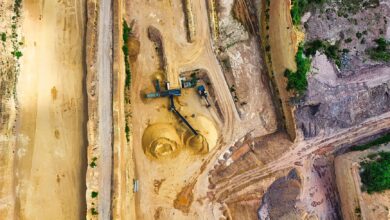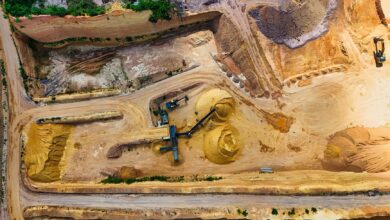

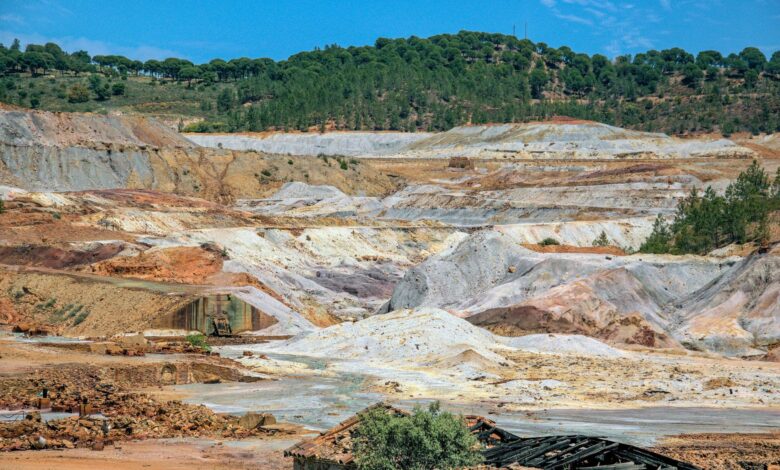
Pension funds managing retirement savings for teachers, municipal workers, and civil servants are quietly acquiring royalty streams tied to bauxite mining operations – a niche corner of the commodities market that most retail investors have never heard of, and that most institutional investors have only recently started taking seriously.
Why Bauxite Royalties Are Landing on Institutional Radar
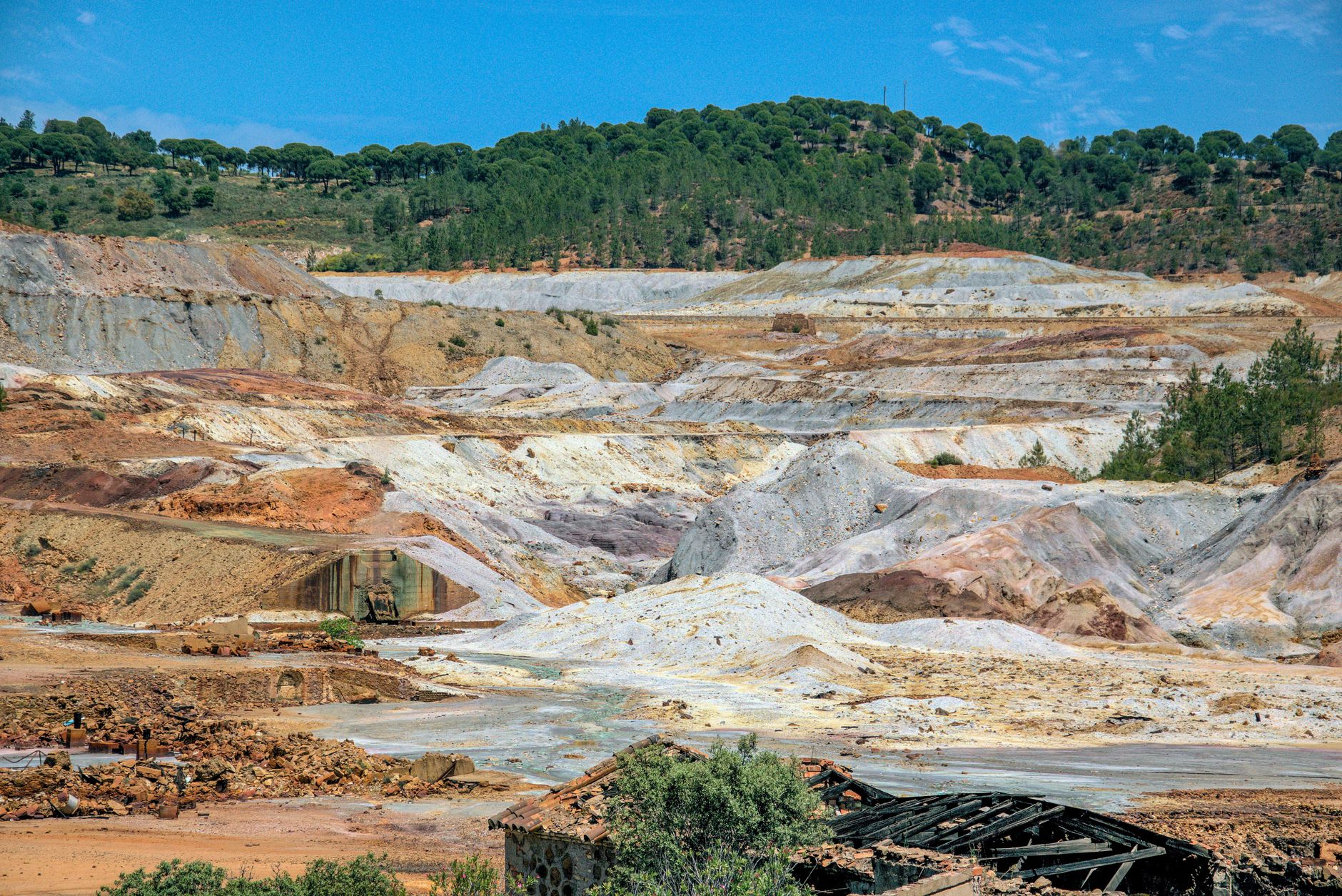
Bauxite is the primary ore from which aluminum is refined, and demand for aluminum is not going anywhere. Electric vehicles require it in structural components, aerospace manufacturing depends on it, and the global push toward lightweight construction materials keeps industrial appetite elevated. The ore itself is abundant – Guinea, Australia, and Brazil hold the largest reserves – but the royalty structures sitting on top of active mining operations offer something that the commodity price alone does not: contractual income, divorced from the operational risks that eat into miners’ margins.
A royalty stream, in the simplest terms, is a right to receive a percentage of revenue or production value from a mine in exchange for an upfront capital payment. The royalty holder does not operate equipment, manage labor disputes, or worry about fuel costs. When bauxite ships out, the royalty check arrives. This passive income structure is what makes these instruments attractive to pension funds, which are legally and structurally motivated to find stable, long-duration cash flows that match their payout obligations to retirees decades into the future.
The royalty model is not new – gold and silver streaming companies have used it for years – but it has taken longer to gain traction in industrial metals. Bauxite presents an interesting entry point because the ore rarely commands the price headlines that lithium or copper do, which means royalty packages can be acquired at less competitive valuations. Pension funds are not looking for the next speculative windfall; they are looking for income that arrives on schedule and holds value across economic cycles. Bauxite royalties, structured correctly, fit that description.
The timeline of accumulation matters here. A growing number of large public pension funds began diversifying into real assets aggressively after the 2008 financial crisis exposed the dangers of over-reliance on equity and bond markets. Infrastructure, farmland, and timber all became recognized asset classes within institutional portfolios. Mineral royalties are following that same path, moving from exotic to accepted over the course of roughly fifteen years, with bauxite-linked streams now representing one of the more active subsets of that broader movement.

The Mechanics That Make These Deals Work for Long-Term Holders
The appeal goes deeper than the passive income narrative. Royalty streams tied to bauxite operations in long-life mines can carry contractual durations of thirty, forty, or even fifty years – which aligns almost perfectly with the duration liabilities of a pension fund serving a workforce that spans active employees in their thirties to retirees in their eighties. Most bond markets cannot offer that kind of duration without significant interest rate risk. A royalty tied to a producing mine carries a different kind of risk profile: volume risk, price risk, and counterparty risk, none of which necessarily move in lockstep with the broader financial market.
Inflation protection is another structural advantage. Because bauxite royalties are typically structured as a percentage of gross revenue rather than a fixed dollar figure, the income rises when commodity prices rise. During periods of cost-push inflation – when energy prices increase transportation and smelting costs – the royalty holder sits above the operational fray and still receives their percentage of whatever bauxite revenues the miner reports. That built-in inflation hedge is worth paying attention to, particularly for pension funds whose liabilities are often indexed, formally or informally, to cost-of-living changes.
Pension funds rarely acquire these streams directly. The more common route runs through royalty aggregation companies, which pool multiple streams from different geographies and mine operators into a single vehicle, then offer institutional investors an equity or debt stake in that vehicle. This layered structure reduces concentration risk – no single mine shutdown or geopolitical disruption can wipe out the entire position – and provides a level of professional management that most pension fund investment teams are not staffed to handle in-house for a niche asset like bauxite royalties.
Some pension funds have gone further, taking direct stakes in royalty agreements on specific operations in Guinea or Western Australia, negotiating terms directly with mining companies that want capital for expansion without diluting their equity or adding debt to their balance sheets. For the miner, selling a royalty stream is a way to monetize a future production right now. For the pension fund, it is a way to lock in decades of income from an asset that is physically real, legally enforceable, and not correlated with the S&P 500. That’s a rare combination in modern portfolio construction.
The legal framework around these royalty agreements varies considerably by jurisdiction, which is one reason institutional adoption has been gradual rather than rapid. Mining royalties in Guinea operate under different regulatory protections than those in Australia or Brazil. Currency risk, political risk, and the enforceability of contracts against state-linked mining entities all require careful due diligence. Pension funds that have moved earliest into this space tend to be the larger funds with dedicated natural resources teams capable of assessing those risks – and those funds are increasingly willing to describe their thesis publicly, which is accelerating interest from smaller peers. This broader pattern of institutional capital moving into niche commodity income streams mirrors trends seen in endowment exposure to zinc smelter offtake rights, where long-duration income logic is similarly driving allocations.
What This Means for the Broader Royalty Market
When pension funds enter a niche market in meaningful volume, pricing moves. Royalty streams that traded at modest multiples of annual income when only specialist buyers competed for them now command higher prices as institutional capital chases a limited supply of well-structured deals. A bauxite royalty tied to a tier-one mine in a stable jurisdiction has become genuinely scarce relative to the demand building around it, and that scarcity is beginning to push acquisition multiples upward in ways that make the entry calculus harder for funds arriving late to the category.
The more uncomfortable question for pension fund trustees is what happens if aluminum demand does not follow the trajectory that justifies current royalty pricing. Battery technology is in flux, construction norms are shifting, and there is at least a plausible scenario where aluminum faces substitution pressure from composite materials in some of its core applications. A royalty stream on a mine that operates for forty years generates strong returns if aluminum demand holds; it generates something far less attractive if volume growth stalls in the 2030s and bauxite prices soften accordingly. The income is contractual, but the commodity underneath it is not.