
The Quiet Pivot Toward Manganese Royalties
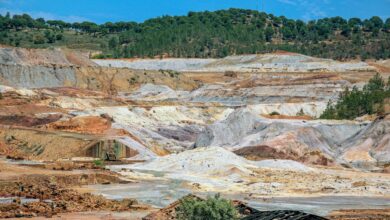
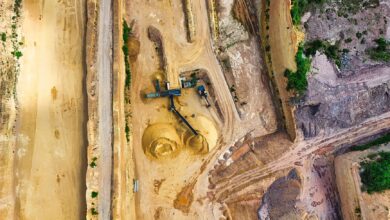
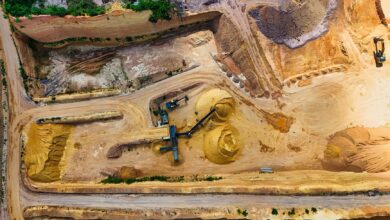
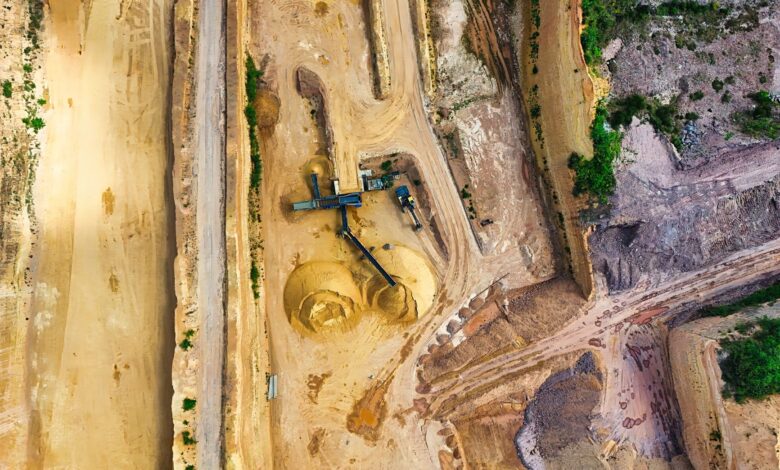
Pension funds have spent decades parking long-duration capital in government bonds and real estate. Now, a growing number of them are looking at something far less familiar: royalty streams tied to manganese ore production. These are contractual arrangements where the royalty holder receives a percentage of revenue – or a fixed fee per tonne – from a mining operation, without ever taking on the operational risk of running a mine. The structure has existed in precious metals for years. Its migration into manganese is newer, and the institutional appetite behind it is accelerating quietly.
Manganese sits at a strange intersection of old industry and new demand. It has been essential to steel production for more than a century, used as a hardening agent in alloys. But its role in lithium-ion battery cathodes – particularly in lithium manganese oxide and high-manganese variants being developed to reduce cobalt dependency – has pulled it into a different conversation entirely. That dual demand profile, steel on one side and energy storage on the other, is exactly what makes the royalty stream structure appealing to funds that need reliable, long-term cash flows to match pension liabilities stretching decades into the future.
The asset class is small. That is precisely why early-movers are moving carefully.
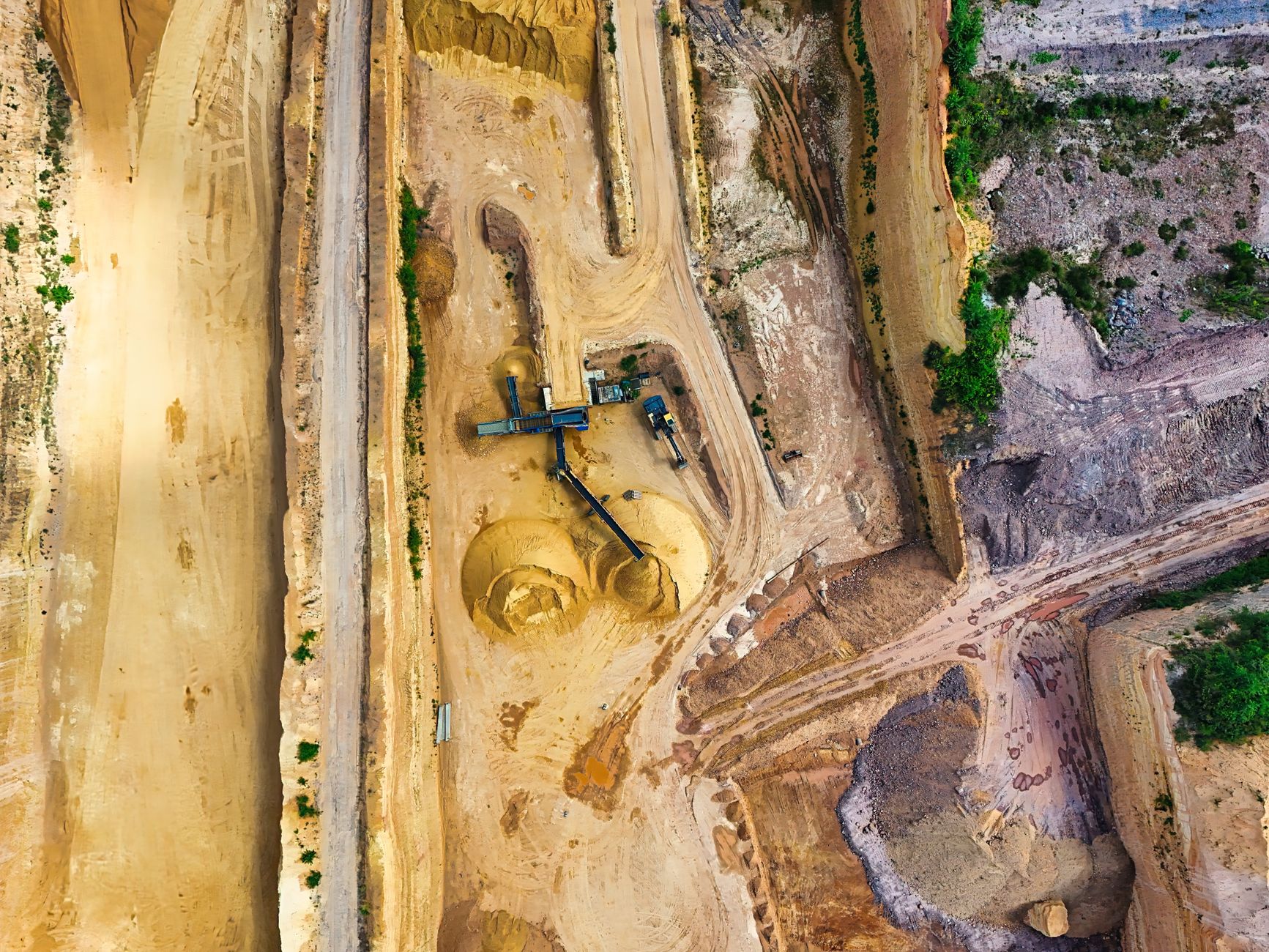
Why Royalty Structures Work for Pension Capital
A royalty agreement is not equity in a mining company. The holder has no exposure to cost blowouts, labor disputes, environmental remediation liabilities, or capital expenditure cycles. When a mine produces ore and sells it, the royalty holder gets paid – regardless of whether the operator is profitable. That separation of revenue participation from operational risk is a structural feature that maps well onto the liability-driven investing frameworks most pension funds operate under. The fund gets commodity-linked cash flows without the volatility typically associated with mining stocks.
The inflation-linkage is a secondary attraction. Manganese prices, like most commodities, tend to move with broad inflationary cycles over long periods. For a pension fund managing obligations that escalate with wage and price inflation, an asset that behaves similarly on the revenue side provides a natural hedge. Bond portfolios can offer duration matching but struggle to deliver genuine inflation pass-through. Royalty streams offer something closer to it, embedded in a contract rather than dependent on central bank policy.
The practical challenge is sourcing. Manganese royalty streams are not traded on exchanges. They are negotiated directly with mining operators or acquired from royalty companies that have built portfolios of them. This illiquidity means pension funds typically access the space through specialist royalty and streaming companies, or through private credit vehicles structured around royalty-backed financing. Some are participating at the fund-of-funds level, gaining exposure through alternative asset managers who have already assembled diversified royalty books across base and battery metals. This pattern mirrors what has happened in other niche offtake and royalty categories – the accumulation of molybdenum concentrate offtake rights by institutional investors followed a nearly identical progression from specialist interest to broader institutional positioning.

Manganese Supply Geography and What It Means for Risk
South Africa holds the largest known manganese reserves in the world, followed by Australia, Gabon, and Brazil. That geographic concentration matters for royalty investors because political and regulatory risk in the host country is one of the few risks that can directly impair royalty cash flows – not through operational failure, but through export restrictions, royalty rate renegotiations, or nationalization of subsoil rights. South Africa’s Northern Cape, home to the Kalahari Manganese Field, is the most manganese-rich region on the planet, and any fund building exposure to this asset class will inevitably have concentration there unless it deliberately diversifies across jurisdictions.
Australia offers a more stable political environment, and several manganese operations in the Northern Territory and Western Australia have royalty structures attached to them. Gabon’s manganese output is substantial but carries higher sovereign risk, which is typically reflected in the royalty rate negotiated upfront – operators pay more for capital precisely because providers price in the country risk. For pension funds, the allocation question becomes whether that premium is sufficient compensation, or whether the concentration in more stable jurisdictions justifies accepting a lower royalty percentage.
Battery demand projections complicate the picture further. High-purity manganese suitable for battery cathode production commands a price premium over standard metallurgical-grade ore used in steel. A royalty tied to revenue rather than volume benefits when operators sell into the battery supply chain rather than the steel market. Some royalty agreements are now being structured with tiered rates depending on the end-use designation of the ore, which creates a new layer of complexity – and potential upside – that did not exist in earlier commodity royalty arrangements.
What Institutional Accumulation Actually Looks Like
Pension funds rarely announce these positions. The disclosures that exist tend to show up in filings from the royalty companies receiving investment, or in the limited partner disclosures of private alternative funds. What becomes visible over time is a pattern: capital from Canadian provincial pension plans, Scandinavian sovereign-adjacent funds, and Australian superannuation schemes appearing repeatedly in the ownership structures of battery metals royalty vehicles. The amounts per fund are often modest relative to total assets under management, but across the institutional universe they aggregate into meaningful capital flows.
The rationale for discretion is straightforward. When an institutional investor signals strong interest in a niche asset class, it drives up the price of the remaining available royalty streams before the fund has finished building its position. The quiet accumulation is not secretive in a regulatory sense – it complies with applicable disclosure requirements – but it is deliberately low-profile in a market communication sense. By the time the position appears in an annual report or investor presentation, the allocation is typically complete.

Manganese royalty investing is still early enough that pricing has not yet been rationalized by deep institutional competition. The royalty rates available today, particularly on projects still in development or early production, reflect a market where seller sophistication varies and where patient capital with a 20-year horizon genuinely commands a structural advantage. That window does not stay open indefinitely – and the funds that recognized the same dynamic in precious metal royalties a decade ago have the returns to prove it.
Frequently Asked Questions
What is a manganese ore royalty stream?
It is a contractual right to receive a percentage of revenue or a fixed fee per tonne from a manganese mining operation, without taking on any operational risk from running the mine.
Why are pension funds interested in manganese royalties specifically?
Manganese has dual demand from steel production and battery cathode manufacturing, giving royalty streams long-term cash flow potential with inflation linkage that matches pension fund liability structures.