
The Quiet Accumulation
Phosphoric acid terminal leases are not the kind of asset that shows up in pension fund quarterly reports under a flashy headline. They sit buried inside infrastructure allocations, categorized as specialty chemical logistics, and most beneficiaries would have no idea their retirement contributions are tied to the movement of a corrosive industrial compound used primarily to manufacture fertilizer. That obscurity is precisely the point. Pension fund managers are not looking for recognition – they are looking for long-duration, inflation-linked cash flows that behave nothing like equities, and phosphoric acid terminals deliver exactly that.
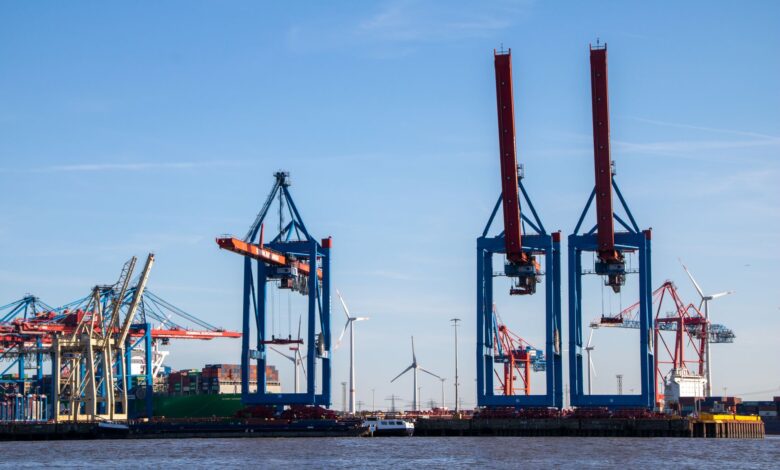
The strategy has been building quietly for several years, but deal flow has visibly accelerated. A growing number of large public pension funds, particularly those managing obligations for state employees and teachers, are directing capital toward the lease structures that underpin phosphoric acid storage and transfer terminals at port facilities and inland distribution hubs. The logic is straightforward: global fertilizer demand is structurally rising, phosphoric acid is a non-substitutable input in phosphate-based fertilizers, and the infrastructure that handles it generates fee income that is largely insulated from commodity price swings.
Why Terminals, Not Mines
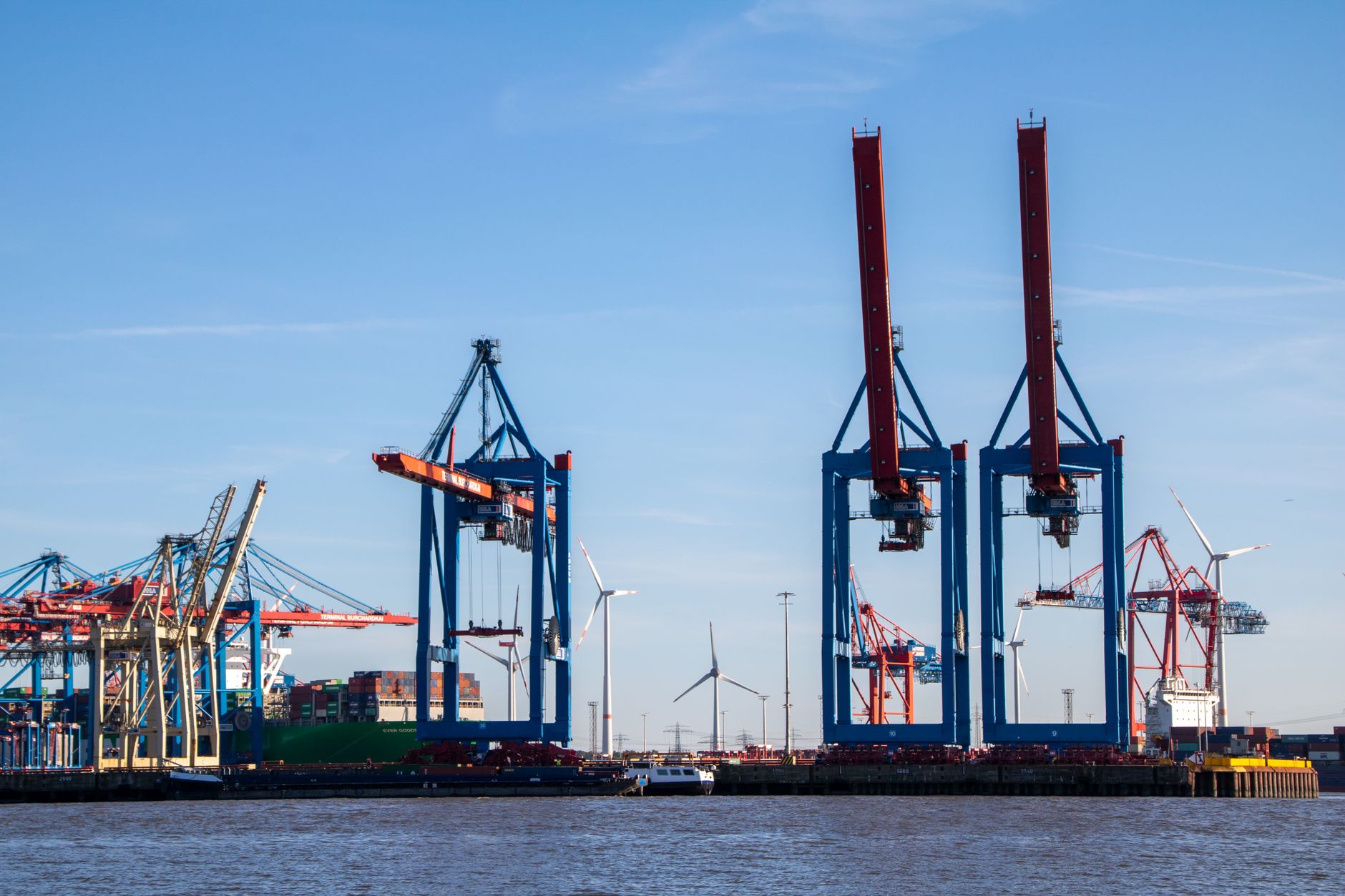
The distinction between owning a phosphoric acid terminal lease and owning a stake in phosphate mining or fertilizer production is the difference between collecting rent and running a business. Terminal operators charge throughput fees and storage fees regardless of whether the acid price is rising or falling. A ship arrives, the acid is offloaded, stored, and eventually transferred to a buyer. The terminal earns its fee at each step. That fee structure is typically governed by long-term contracts, often running ten to twenty years, with escalation clauses tied to producer price indices or fixed annual step-ups. For a pension fund trying to match liabilities that stretch decades into the future, that kind of contracted cash flow is genuinely attractive.
Mining and production assets, by contrast, carry volume risk, cost risk, and commodity price exposure that pension funds generally try to avoid unless they are taking a very specific macro bet. A terminal lease strips most of that away. The pension fund is not betting on the price of phosphoric acid – it is betting that acid continues to move through a particular piece of infrastructure. Given that the terminals are typically located at ports with limited competing capacity and serve regional agricultural markets with no viable alternative supply routes, the volume risk is lower than it appears on paper. Replacing a terminal is not a matter of building another warehouse. The permitting timelines, environmental review requirements, and capital costs to construct a new specialty chemical terminal at an established port create a natural barrier that protects the incumbent.
The Infrastructure Allocation Case
Pension funds have been expanding their infrastructure allocations for well over a decade, moving beyond traditional utilities and toll roads into increasingly specialized sub-sectors. The rationale for the broader infrastructure push is well-established: illiquidity premium, inflation sensitivity, and low correlation with public markets. What has changed recently is the level of granularity within that allocation. Rather than buying into diversified infrastructure funds and accepting whatever assets the manager selects, some of the larger pension systems are now co-investing directly or working with specialist managers to build targeted exposure to specific terminal and logistics asset types.
Phosphoric acid terminals fit neatly into what infrastructure allocators describe as “essential network assets” – facilities where the underlying commodity flow is driven by agricultural necessity rather than consumer discretion. Farmers need fertilizer. Fertilizer manufacturers need phosphoric acid. The acid has to move from production facilities, many of which are concentrated in Morocco, Florida, and parts of the Middle East, to blending and distribution points closer to agricultural regions. Every ton that moves through a properly positioned terminal generates fee income, and there is no realistic near-term technology that eliminates the need for the compound in crop nutrient management.
The inflation-linking argument is particularly relevant right now. Pension funds managing large defined-benefit liabilities are acutely aware that their obligations grow in real terms over time. An asset that generates fee income indexed to industrial price benchmarks provides a partial hedge against that liability growth in a way that fixed-rate bonds simply do not. Terminal lease structures that include annual escalation provisions, even modest ones, compound meaningfully over a twenty-year hold period. A fund that locked into a well-structured terminal lease several years ago is now collecting fees that are materially higher in nominal terms than what it underwrote, without having taken any additional risk.
This pattern of institutional capital moving into specialty chemical logistics infrastructure is not unique to phosphoric acid. Nitrogen pipeline easements and similar assets have attracted sovereign wealth fund attention for comparable reasons – contracted flows, barriers to competition, and long asset lives. The difference with phosphoric acid terminals is the concentration of deal activity within pension funds specifically, which have a more pressing need for inflation-protected duration than sovereign funds with more flexible mandates.

Risks That Do Not Disappear
None of this means the trade is without risk. The counterparty on the other side of a terminal lease is typically a fertilizer producer or a trading company, and the creditworthiness of that counterparty matters enormously. A twenty-year lease is only as good as the tenant’s ability to pay. Pension funds evaluating these structures spend considerable time on credit analysis and often require parent-level guarantees or letters of credit to backstop the lease obligations. In cases where the counterparty is a large, investment-grade fertilizer producer, that risk is manageable. Where the counterparty is a smaller regional distributor, the risk profile changes substantially.
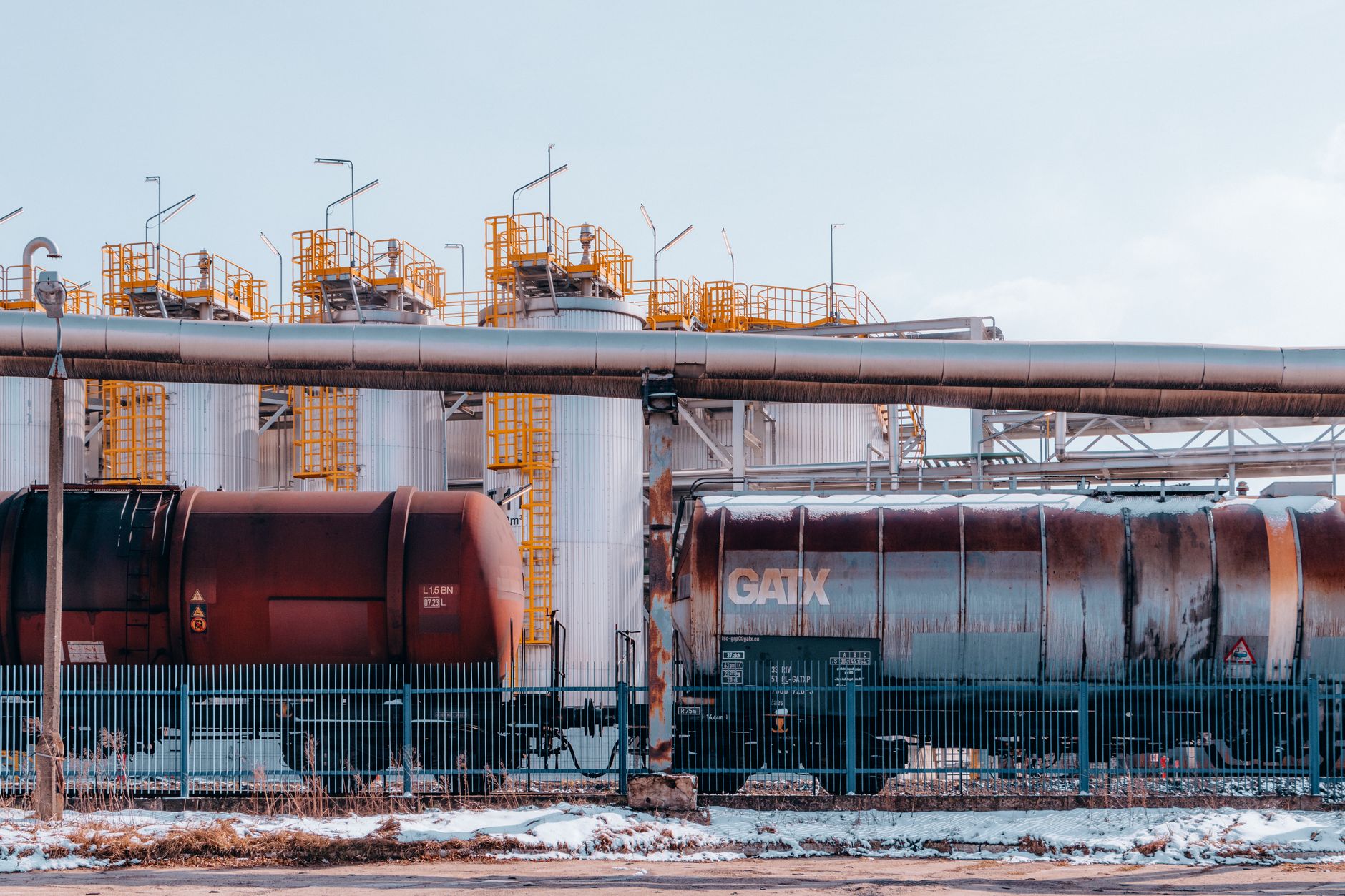
There is also regulatory risk that is easy to underestimate. Phosphoric acid is a hazardous material, and the terminals that handle it are subject to environmental regulations, spill liability frameworks, and in some jurisdictions, community right-to-know requirements that can complicate operations. A regulatory change that increases compliance costs or restricts throughput capacity could impair the economics of a terminal without eliminating the lease obligation. Pension fund managers who have studied these assets closely tend to focus heavily on the operating history of a terminal, its environmental compliance record, and the liability structure of the lease – specifically, whether operating risks stay with the terminal operator or flow back to the lease structure.
Sizing and Portfolio Fit
Individual terminal lease investments are not large by pension fund standards. A single terminal lease might represent a capital commitment in the range of tens of millions of dollars, which is a rounding error for a fund managing tens of billions. The portfolio construction approach, therefore, tends to involve building a basket of terminal exposures across different geographies and counterparties, aggregating them into an allocation that reaches a meaningful size while diversifying idiosyncratic risks. Some funds access this through a specialist infrastructure manager who has assembled a portfolio of such assets; others are building internal teams capable of evaluating individual deals.
The return expectations are not equity-like. Terminal leases in this space are generally underwritten to returns in the mid-to-high single digits on an unlevered basis, with leverage potentially pushing levered returns into the low double digits. For a pension fund with a discount rate assumption somewhere around seven percent, that math works. The assets are not expected to generate the kind of returns that venture capital or private equity would target – they are expected to generate reliable, predictable cash flows that help the fund meet its actuarial assumptions without taking excessive risk.
The more interesting question is what happens to valuations if this accumulation trend continues and more institutional capital chases a relatively fixed supply of quality terminal assets. Terminal lease cap rates have already compressed in some markets as buyers have become more familiar with the asset class. A pension fund that enters now is paying more than early movers paid five years ago, and the question of whether current pricing still offers adequate compensation for the illiquidity and complexity involved is one that different funds are answering differently.
What Comes Next
The supply of high-quality terminal leases available for institutional acquisition is not unlimited. Most of the well-located, creditworthy terminal assets attached to long-term leases are either already held by infrastructure funds, owned outright by the operating companies, or tied up in structures that make third-party acquisition complicated. As pension fund interest grows, the competition for the remaining available assets intensifies, and that pressure is already showing up in deal timelines and pricing.
Some funds are responding by looking earlier in the asset lifecycle – backing the development of new terminal capacity rather than acquiring existing leases at compressed yields. Development carries construction risk and lease-up risk that a stabilized acquisition does not, but it also offers the possibility of locking in a lease at inception with terms that reflect current market conditions rather than historical pricing. Whether pension funds, with their fiduciary constraints and conservative mandates, are the right capital for development-stage terminal projects is a genuine debate inside the asset class right now – and the answer varies considerably depending on how aggressively a particular fund has built out its alternatives infrastructure and what its investment policy statement actually permits.
Frequently Asked Questions
Why are pension funds interested in phosphoric acid terminal leases?
These leases generate long-term contracted fee income indexed to industrial price benchmarks, offering inflation sensitivity and low correlation with public markets – qualities that help pension funds match long-duration liabilities.
What are the main risks of investing in phosphoric acid terminal leases?
Key risks include counterparty credit quality, regulatory and environmental compliance costs, and the illiquidity of the asset class, which makes exits difficult if market conditions change.