
Pension funds have been quietly repositioning a slice of their infrastructure allocations toward crude oil terminal leases – long-term contracts that give them steady, inflation-linked income without the price volatility that comes with owning the oil itself.
The Appeal of Owning the Pipe, Not the Product
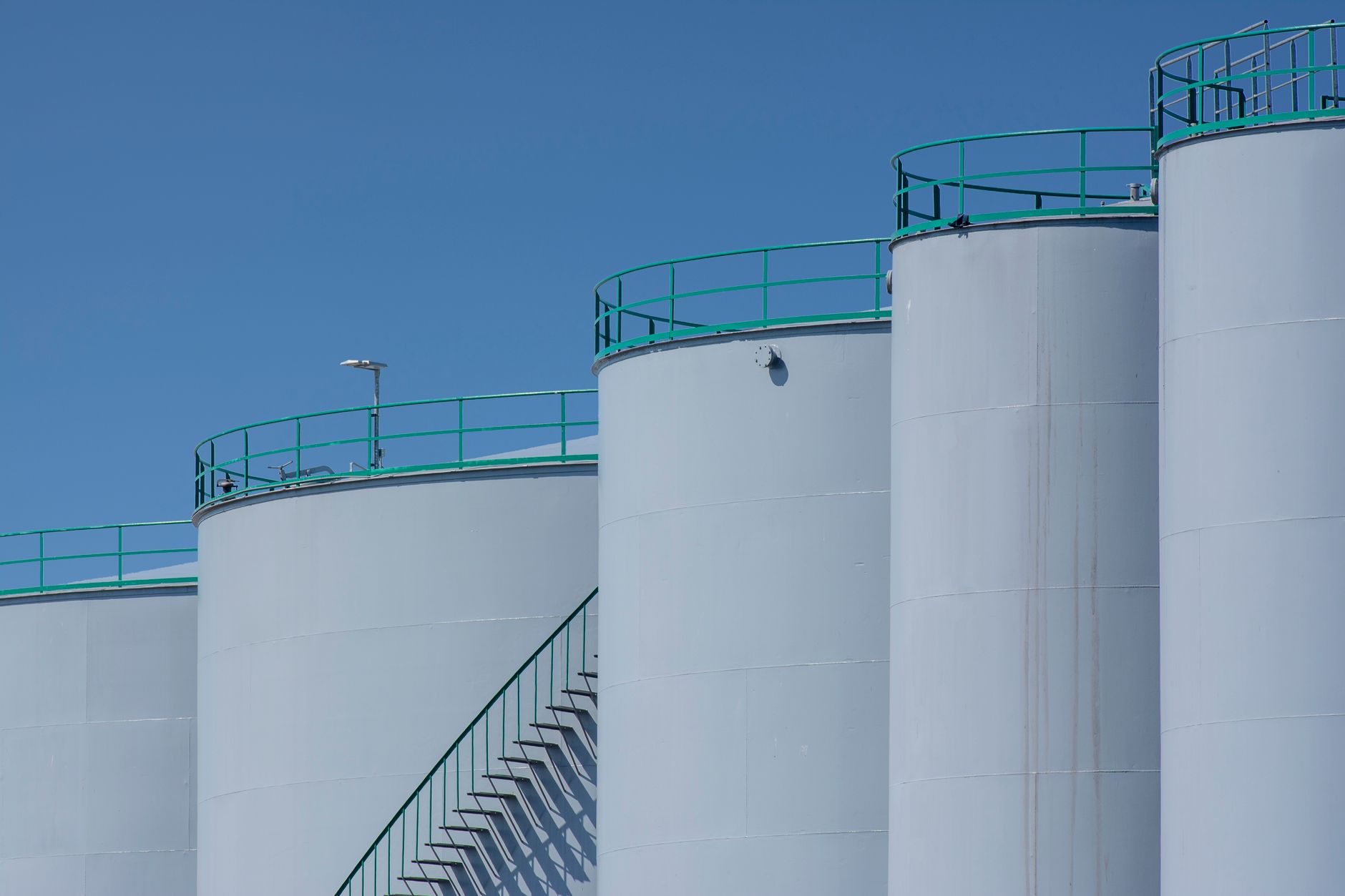
A crude oil terminal lease works differently from an equity stake in an energy company. The pension fund does not speculate on barrel prices. Instead, it owns or controls the ground lease and physical infrastructure rights beneath a storage and transfer facility, collecting throughput fees or fixed lease payments from the operators who actually handle the crude. The commodity risk stays with the operator. The pension fund takes the real estate and contract risk – a trade-off that suits institutional investors with 20- and 30-year liability horizons far better than commodity futures ever could.
The attraction goes deeper than stability. Marine and pipeline terminals occupy legally protected positions in the energy supply chain. Permitting a new crude terminal anywhere near a major port or refinery corridor is a process that can take a decade, face environmental litigation, and still fail. That regulatory scarcity functions like a moat. Once a terminal is built and operating, the infrastructure becomes difficult to replicate, which gives existing lease holders meaningful pricing power when contracts roll over.
The lease structure itself mirrors what pension funds have long favored in other hard-asset classes. Ground leases on commercial real estate, toll road concession agreements, and wind farm easements held by pension funds all share the same basic logic: separate the ownership of the land or infrastructure rights from the operating business running on top of it, then collect rent while the operator bears the business cycle exposure. Terminal leases apply that same framework to energy logistics.
Several large public pension systems have begun routing these investments through dedicated infrastructure sub-funds rather than through their energy equity buckets. That categorization matters internally. Classifying a terminal lease as infrastructure rather than energy reduces the fund’s reported exposure to fossil fuel volatility, which can ease pressure from beneficiaries and state legislators pushing for cleaner portfolio optics – even as the underlying asset continues to service crude oil shipments.

How the Deals Actually Get Structured
Most pension funds do not buy terminal leases directly off the market. The entry point is typically a blind-pool infrastructure fund or a co-investment alongside a specialist asset manager that already holds a portfolio of terminals. The pension fund commits capital, the manager sources the leases, and the fund receives quarterly distributions from throughput income. In some cases, larger funds with dedicated real assets teams will negotiate direct co-investments on specific terminals, bypassing the fund wrapper and its associated management fees, but that requires internal expertise that most mid-sized pension systems simply do not have on staff.
The lease terms that attract institutional capital tend to run 15 to 25 years, often with CPI escalation clauses that automatically bump the rent each year in line with inflation. That feature is particularly valuable right now because pension fund actuaries price long-term liabilities against inflation assumptions, and a lease payment that grows with the consumer price index helps close the gap between projected obligations and actual returns. Fixed-income markets have historically provided that hedge, but the correlation between bond yields and pension funding ratios has grown less reliable, pushing allocators toward real assets with explicit inflation linkage built into the contract language.
Credit quality of the counterparty matters enormously in these structures. A 20-year lease is only as good as the operator’s ability to keep paying. Pension funds scrutinize the credit rating of the terminal operator, the take-or-pay provisions in the underlying throughput agreements, and whether the terminal serves a captive customer base – a refinery with no alternative intake point, for example – versus a merchant terminal competing for spot business. Captive-service terminals command lower yields but are priced as near-utility assets, which suits pension funds that prioritize return predictability over return maximization.
Environmental liability is the deal-killer in terminal lease negotiations. Contaminated soil, aging above-ground storage tanks with leak histories, and proximity to protected waterways can make an otherwise attractive asset unfinanceable for institutional capital. Legal teams conduct exhaustive Phase I and Phase II environmental assessments before any commitment, and indemnification provisions – specifying who bears cleanup costs if contamination is discovered after closing – can stretch negotiations by months. Some funds have walked away from otherwise well-priced leases because the environmental indemnity chain was too complex to disentangle.
Secondary market activity for these leases is growing but still thin. A pension fund that wants to exit a terminal lease before expiration faces a limited buyer pool: other infrastructure funds, energy companies looking to own their logistics footprint, or specialist credit investors willing to buy the contracted income stream at a discount. That illiquidity is the asset class’s most honest drawback, and funds that underestimate it can find themselves holding a position longer than their investment committee originally approved.
The Political Tension Funds Are Navigating
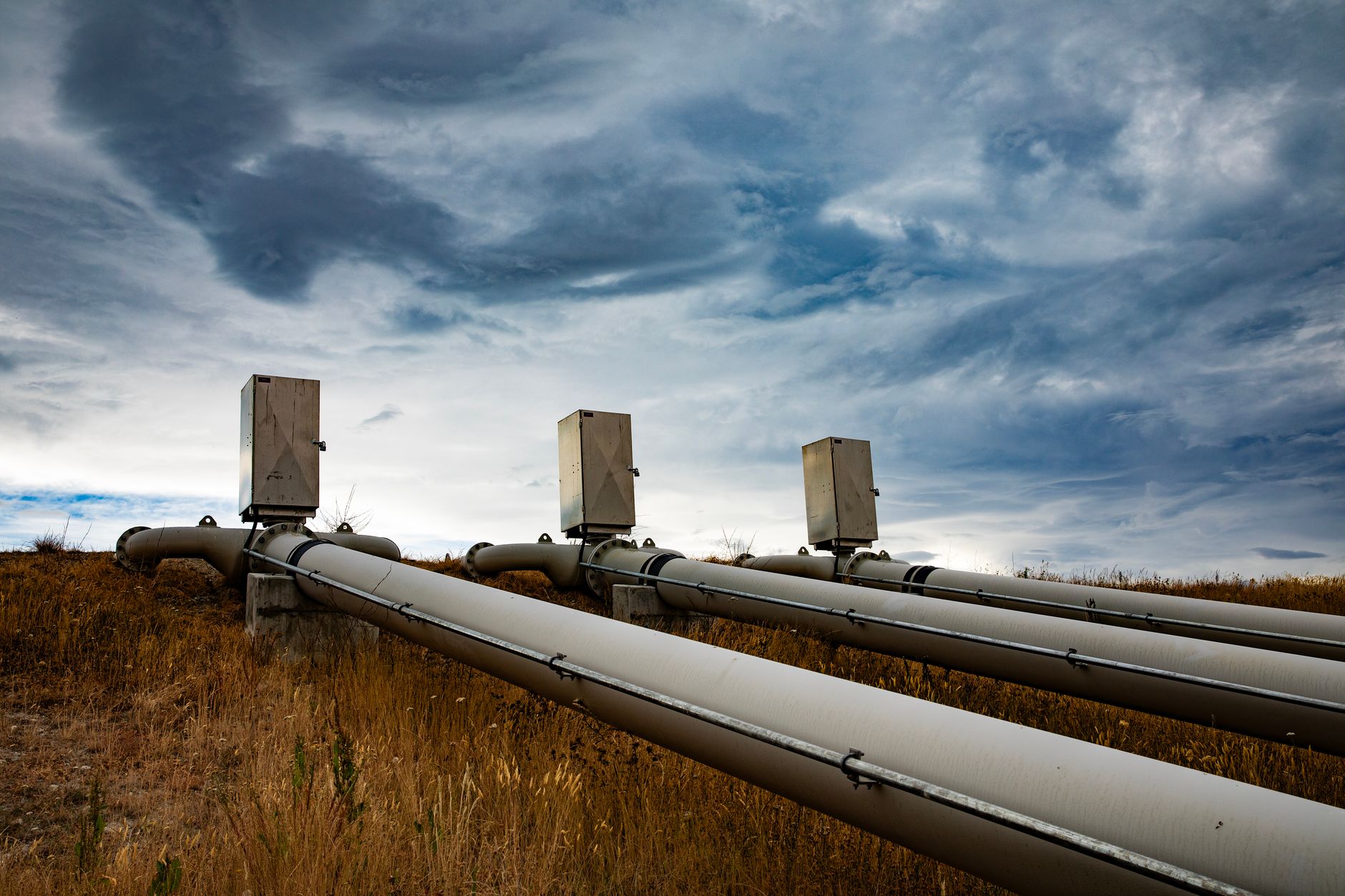
The quiet nature of these investments is partly strategic. A public pension fund announcing a new position in crude oil infrastructure faces a different public relations environment than one announcing a toll road or data center lease. ESG pressure on public pension systems has intensified, and terminal leases for fossil fuel logistics do not fit neatly into the talking points that pension administrators use with legislators and beneficiaries. Some funds have dealt with this by emphasizing the lease structure – technically a real estate investment – rather than the commodity it serves, a framing that is accurate but that critics would call evasive.
What keeps funds in the trade despite that friction is the return profile relative to alternatives. Infrastructure core funds targeting airports, regulated utilities, and water systems have attracted so much capital over the past several years that entry valuations have compressed significantly. Terminal leases, sitting in a less crowded corner of the infrastructure market, still price at spreads that justify the added complexity and reputational management. For a fund facing a funding gap and a board that demands it close that gap without taking on equity market risk, a 20-year terminal lease paying inflation-linked income in a lightly competed corner of the market is not an easy position to pass up – regardless of what the asset happens to store.