The Quiet Shift Into Port Infrastructure
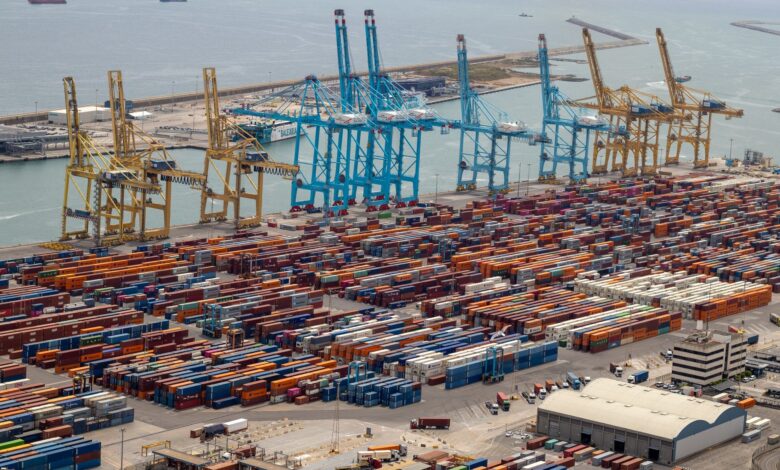
Seaport berth leases – the long-term contracts that give operators the right to load and unload cargo at specific terminal facilities – have started appearing with growing regularity inside pension fund portfolios. These are not flashy allocations. They don’t generate headlines the way private equity buyouts or tech venture bets do. But for fund managers hunting durable, inflation-linked income over 20- to 40-year horizons, a berth lease tied to a major container terminal looks increasingly attractive.
The logic is straightforward: global trade does not stop. Cargo volumes fluctuate with economic cycles, but the physical infrastructure that moves goods between continents operates under long-term lease structures that generate fees regardless of who owns the ships or what’s in the containers. That predictability – combined with lease terms that often include built-in escalators tied to inflation indices – maps almost perfectly onto the liability structure of a defined-benefit pension fund.
A single berth lease at a major hub port can run 30 years or longer.
Why Berths, Why Now
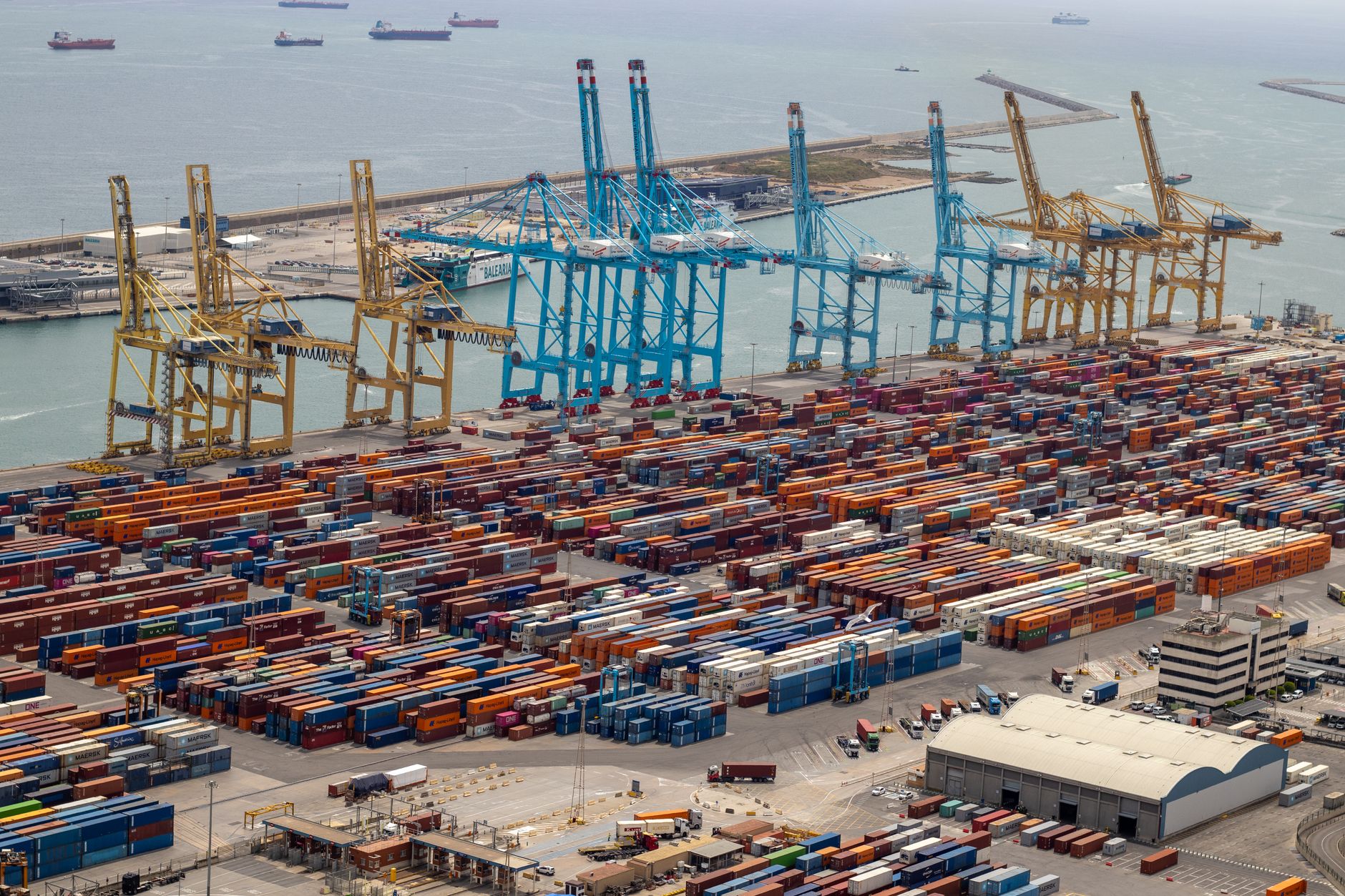
Port authorities around the world have been shifting toward long-term concession and lease models since the 1990s, but the institutional investor appetite for these assets has intensified noticeably over the past several years. The reasoning has less to do with any single event and more to do with where pension funds find themselves structurally: real asset allocations need to grow, traditional infrastructure plays like toll roads and utilities have become crowded and expensive, and the search for yield in a lower-return fixed-income environment has pushed allocators further into operational assets.
Berth leases sit in an interesting position within the broader infrastructure universe. They are not the same as owning a port – fund managers are not taking on the operational complexity of running a terminal, managing labor contracts, or maintaining cranes. Instead, they are acquiring the income right: the revenue stream generated by terminal operators who pay lease fees to use the berth. That separation of ownership and operations is a feature, not a limitation. It allows pension funds to participate in port economics without absorbing the day-to-day volatility of terminal management.
There is also a geographic diversification angle that fund managers find genuinely useful. Berth lease positions can be assembled across multiple continents – a lease at a Southeast Asian transshipment hub, another at a West African bulk terminal, a third at a Northern European container port – creating a portfolio that draws revenue from distinct trade corridors with limited correlation to each other. When one regional economy slows, others may hold steady or accelerate, smoothing the overall income curve across the portfolio.
Structuring the Exposure
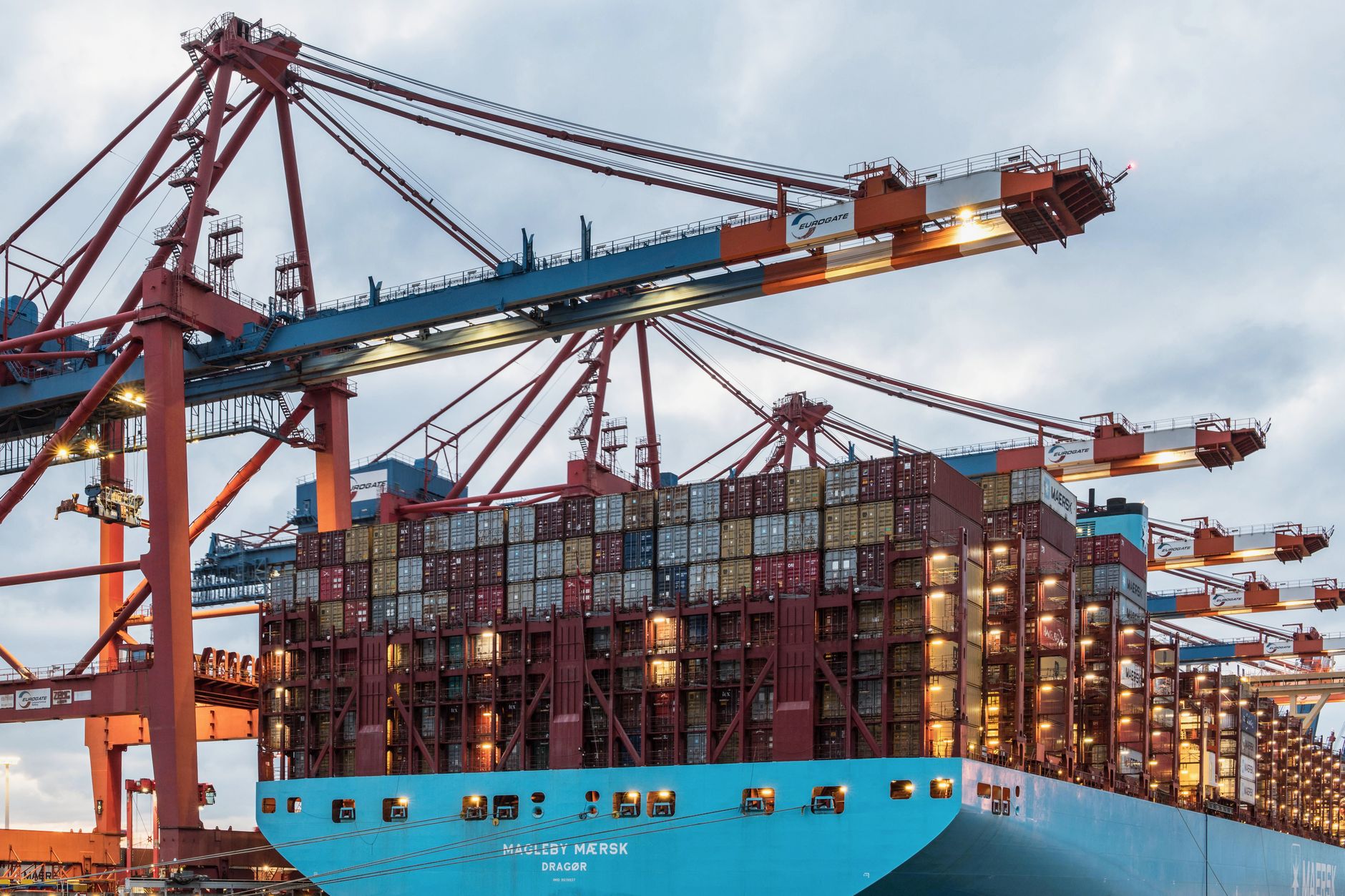
Most pension funds do not acquire berth leases directly. The typical entry point is through infrastructure-focused fund vehicles managed by specialist asset managers, some of which have built dedicated port and maritime infrastructure strategies over the past decade. These vehicles pool capital from multiple institutional investors, deploy it into lease acquisitions or concession interests, and distribute income back to limited partners over the fund’s life. For a pension fund, this structure provides access to deal flow and due diligence expertise that would be difficult to replicate with an in-house team.
A smaller number of the largest pension funds – those with assets under management in the hundreds of billions – have begun building direct capabilities to co-invest or lead transactions alongside specialist managers. This approach reduces fee drag and gives the fund more control over asset selection and hold periods. It requires significant internal infrastructure: legal teams with maritime law expertise, engineers who can assess terminal capacity and berth condition, and investment staff who understand port concession frameworks across different regulatory jurisdictions. Most pension funds are not there yet, but the direction of travel among the largest allocators is clearly toward more direct involvement.
The risk profile of these assets is not without complication. Berth leases are long-duration, illiquid commitments. Secondary market trading exists but remains thin, meaning a fund that needs to exit a position quickly will face meaningful price discovery challenges. Environmental and regulatory risk is also real – ports operate within complex frameworks governing emissions, dredging, and coastal land use, and regulatory shifts can alter the economics of a lease over a multi-decade hold. This is a place where sovereign wealth funds building positions in export terminal leases have faced similar structural questions about long-horizon regulatory exposure.
The Allocation Calculus
What makes the berth lease conversation interesting right now is the convergence of several factors that are pushing allocators toward the asset class at roughly the same moment. Infrastructure budgets inside pension funds have expanded. Inflation sensitivity has become a more explicit consideration in asset selection. And the physical constraints on port capacity globally – limited coastline, regulatory barriers to new terminal construction, years-long permitting timelines – create a supply dynamic that supports the long-term value of existing lease rights. You cannot simply build a new deep-water container berth in six months to compete with an existing one.

That supply constraint is the detail that keeps coming up in conversations about this asset class – not from the perspective of speculation, but from the perspective of income durability. When a terminal operator needs a berth in a high-traffic port and there are only a handful available under long-term lease, the negotiating dynamic over renewal or renegotiation favors the lessor. Pension funds acquiring these rights are, in effect, acquiring a position in a constrained market for physical trade infrastructure that serves the global economy whether markets are rising or falling.
The question that pension fund allocators are quietly working through is not whether berth leases belong in a real assets portfolio – most now agree they do – but how much of a portfolio’s infrastructure allocation should shift away from more liquid, more familiar assets like listed infrastructure equities toward longer-duration, operationally complex positions like port leases. That internal debate is still unresolved at most funds, and the answer will likely vary significantly depending on a fund’s liability maturity profile, liquidity requirements, and tolerance for the kind of legal and regulatory complexity that comes with operating across multiple port jurisdictions simultaneously.
Frequently Asked Questions
What is a seaport berth lease?
A seaport berth lease is a long-term contract granting the right to use a specific terminal berth for loading and unloading cargo, typically running 20 to 40 years.
Why are pension funds interested in berth leases?
Berth leases offer predictable, inflation-linked income streams over long horizons that align closely with pension fund liability structures, and supply constraints at major ports support their long-term value.