
The Quiet Accumulation of an Overlooked Asset Class
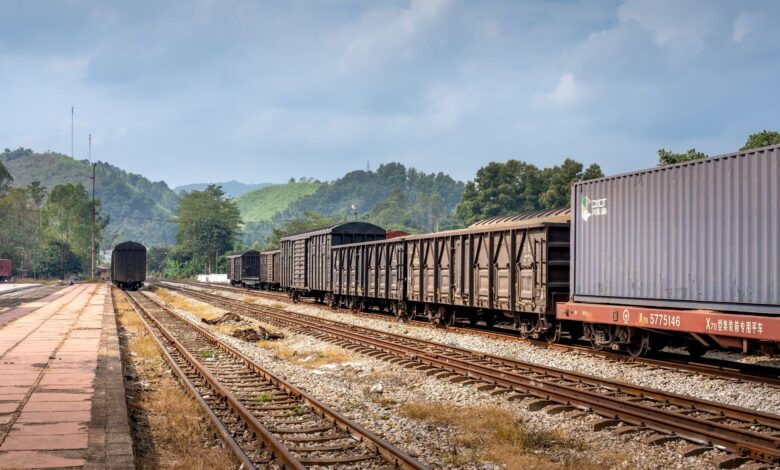
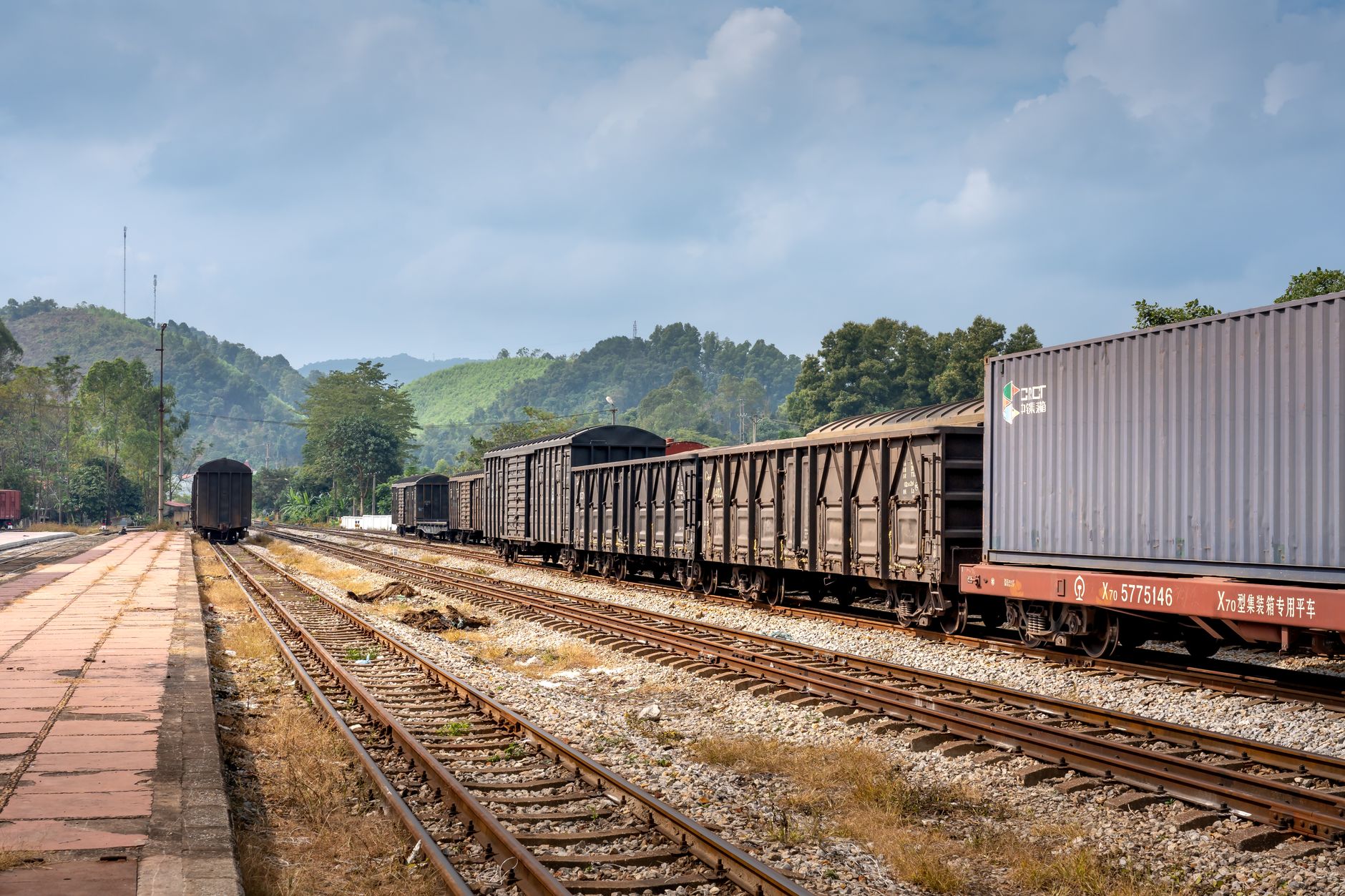
Freight rail spur leases occupy a strange corner of the infrastructure investment universe – unglamorous, operationally complex, and almost entirely invisible to retail investors. A spur line is a short stretch of track branching off a mainline railroad, typically serving a single industrial customer: a grain elevator, a chemical plant, a cement facility, a port terminal. The lease on that spur – the right to collect tolls on its use, or to sublet access to rail carriers – generates income that looks less like a stock dividend and more like a toll road receipt. Steady, predictable, tied to physical commerce rather than market sentiment.
Pension funds, which manage retirement income for teachers, firefighters, and municipal workers across the country, have been building quiet positions in these leases over the past several years. The movement has not attracted the kind of attention that infrastructure deals in airports or highways tend to generate. Spur leases are small individually, often valued in the low millions per contract. But assembled into portfolios, they begin to resemble something pension managers find genuinely attractive: long-duration cash flows with low correlation to equity markets.
Why Spur Leases Fit the Pension Mandate
The core logic is straightforward. Pension funds carry long-dated liabilities – obligations stretching 20, 30, even 40 years into the future. Matching those liabilities requires assets that generate income over similarly long horizons without requiring constant repositioning. Freight rail spur leases, when structured as triple-net agreements with industrial tenants, can run 15 to 25 years with built-in escalation clauses tied to inflation or the Producer Price Index. That structure maps almost perfectly onto what an actuary designing a liability-matching portfolio would request.
There is also a supply-and-demand argument that makes these leases attractive beyond their structural features. Short-line and regional railroads that own spur infrastructure often lack the capital or the appetite to manage lease administration, maintenance obligations, and tenant negotiations. Selling the lease – or entering a sale-leaseback arrangement – frees up balance sheet capacity while handing operational headaches to a counterparty better equipped to manage them. Pension funds, operating through specialized infrastructure asset managers, step into that role willingly. The transaction makes sense for both sides, which is why deal flow has been growing even without much public fanfare.
The tenant concentration risk is real and worth acknowledging. A spur serving a single paper mill is only as valuable as the paper mill’s continued operation. When industrial customers close facilities, relocate production, or shift to truck freight, the spur can go idle – and an idle spur generates no revenue while still requiring maintenance to avoid physical deterioration. Pension managers investing in this space typically address concentration risk by assembling diversified portfolios across geographies, end markets, and tenant industries, rather than making large bets on individual leases.

The Mechanics of How These Deals Get Structured
Most pension funds do not buy spur leases directly. They invest through closed-end infrastructure funds, co-investment vehicles, or separately managed accounts run by specialized asset managers who source, underwrite, and administer the leases. The asset manager handles tenant relationships, coordinates with Class I railroads on interchange agreements, and manages any required capital expenditure on track maintenance. The pension fund receives a preferred return on invested capital, with additional upside participation depending on the fund structure.
The deal sourcing process is notably relationship-driven. Spur lease opportunities rarely appear on formal auction platforms. They surface through conversations between asset managers and regional railroad operators, industrial real estate brokers, or corporate treasury teams at manufacturing companies looking to monetize owned rail infrastructure. A growing number of industrial companies have discovered that the rail spur running along the back of their property is a financeable asset – one that can generate immediate liquidity while the company retains use of the track under a long-term leaseback arrangement.
Valuation methodology borrows from both commercial real estate and infrastructure finance. The income capitalization approach applies a cap rate to stabilized net operating income, with cap rates in this sector sitting meaningfully tighter than, say, Class B industrial real estate, because of the contractual duration and inflation protection features. Replacement cost analysis also plays a role: building a new rail connection to an industrial site today is extraordinarily expensive, involving right-of-way acquisition, permitting, track construction, and Class I railroad interconnection agreements. An existing spur with an established tenant and an operating interchange is worth considerably more than the raw track materials would suggest.
Regulatory exposure is modest but not negligible. The Surface Transportation Board, which oversees rail access and rate disputes in the United States, has jurisdiction over certain aspects of spur operations, particularly when disputes arise between industrial tenants and carriers over switching fees or access terms. Well-structured lease agreements typically include indemnification provisions and dispute resolution mechanisms that protect the lessor – the pension fund’s vehicle – from getting caught between a disgruntled tenant and an unhappy railroad. But navigating that regulatory environment requires legal expertise that generalist infrastructure funds may not have in-house.
What the Broader Infrastructure Market Signals
The move into spur leases fits a wider pattern of pension capital pushing deeper into physical infrastructure assets that were previously considered too small, too complex, or too illiquid for institutional portfolios. Sovereign wealth funds have pursued a parallel strategy in adjacent asset classes – accumulating stakes in deepwater port leases that share many of the same structural characteristics: long contract durations, inflation linkage, and underlying demand tied to physical trade flows rather than financial market cycles.
The appetite among pension funds for freight rail exposure is also a quiet vote of confidence in the resilience of rail as a freight mode. Trucking costs fluctuate with diesel prices and driver availability. Rail freight, particularly for bulk commodities – grain, coal, chemicals, fertilizers, aggregates – retains a cost-per-ton-mile advantage that is difficult to displace. Spur leases serving agricultural processing facilities, for instance, carry lower obsolescence risk than spurs serving industries actively exploring alternative logistics. The underwriting of any individual lease depends heavily on reading which end markets will still move freight by rail in 2040.
Liquidity remains the honest friction point in this asset class. Unlike publicly traded infrastructure stocks or even large-scale airport concessions, a portfolio of spur leases cannot be exited quickly at a predictable price. Secondary market transactions exist, but buyer pools are thin and transaction timelines are long. For pension funds with stable liability profiles and predictable cash outflow schedules, that illiquidity is manageable – even acceptable in exchange for the yield premium it provides. For funds with less predictable redemption exposure, the same feature is a genuine constraint on how much capital can responsibly be allocated here.
The funds moving most aggressively into this space tend to be large state pension systems with dedicated infrastructure allocations already in place and experienced teams capable of evaluating operating assets rather than just financial instruments. A smaller municipal fund without that infrastructure team is unlikely to build direct spur lease exposure any time soon – the operational diligence required is simply beyond most generalist investment offices. That capacity gap is itself a market dynamic worth watching: it means the asset class will remain concentrated among a relatively small number of sophisticated buyers for the foreseeable future, which keeps pricing rational and deal flow available for those already in position.

Frequently Asked Questions
What is a freight rail spur lease?
A spur lease grants the right to collect revenue from a short branch of railroad track serving a single industrial tenant, typically structured as a long-term contract with inflation escalators.
Why are pension funds interested in rail spur leases?
These leases offer long-duration, inflation-linked cash flows that match pension funds’ long-dated liabilities, with low correlation to equity market movements.