Sovereign Wealth Funds Quietly Accumulate Stakes in Freight Terminal Ground Leases

The Quiet Accumulation Beneath Global Trade
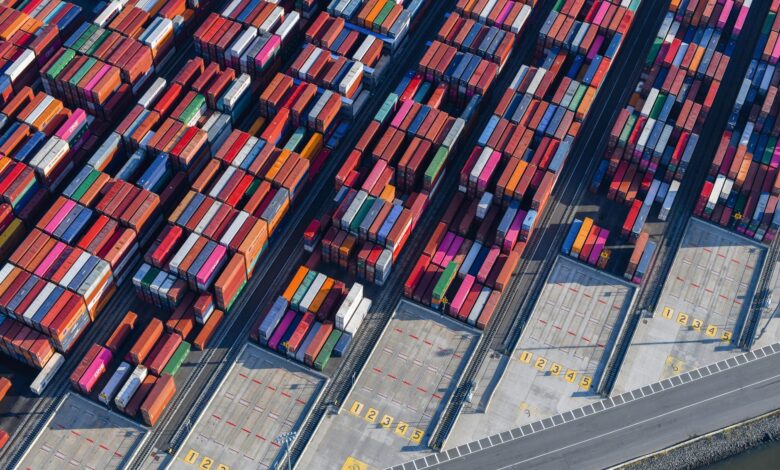
Ground leases at freight terminals are not glamorous assets. They generate no headlines, attract no retail investors, and sit buried beneath layers of logistics infrastructure that most capital allocators never think to examine. Yet sovereign wealth funds – the state-controlled investment arms of Norway, Singapore, Abu Dhabi, Kuwait, and a handful of other capital-rich nations – have been systematically acquiring long-term ground lease positions at major freight terminals across North America, Europe, and Southeast Asia. The strategy is deliberate, patient, and extraordinarily well-suited to the mandate these funds operate under.
A freight terminal ground lease works like this: the entity that owns the underlying land – often a port authority, municipal government, or legacy industrial landholder – retains nominal title while leasing the ground to an operator for a fixed term, typically ranging from 30 to 99 years. The operator builds and manages the terminal above. A sovereign wealth fund purchasing a stake in that lease is not buying the cranes, the warehouses, or the trucks. It is buying the contractual right to receive ground rent, plus residual land value, across a multi-decade horizon. The cash flows are modest but near-certain, indexed to inflation in most modern lease structures, and completely detached from the volatility of freight rates or shipping demand cycles.
That last detail is what makes this asset class so attractive to large pools of permanent capital.
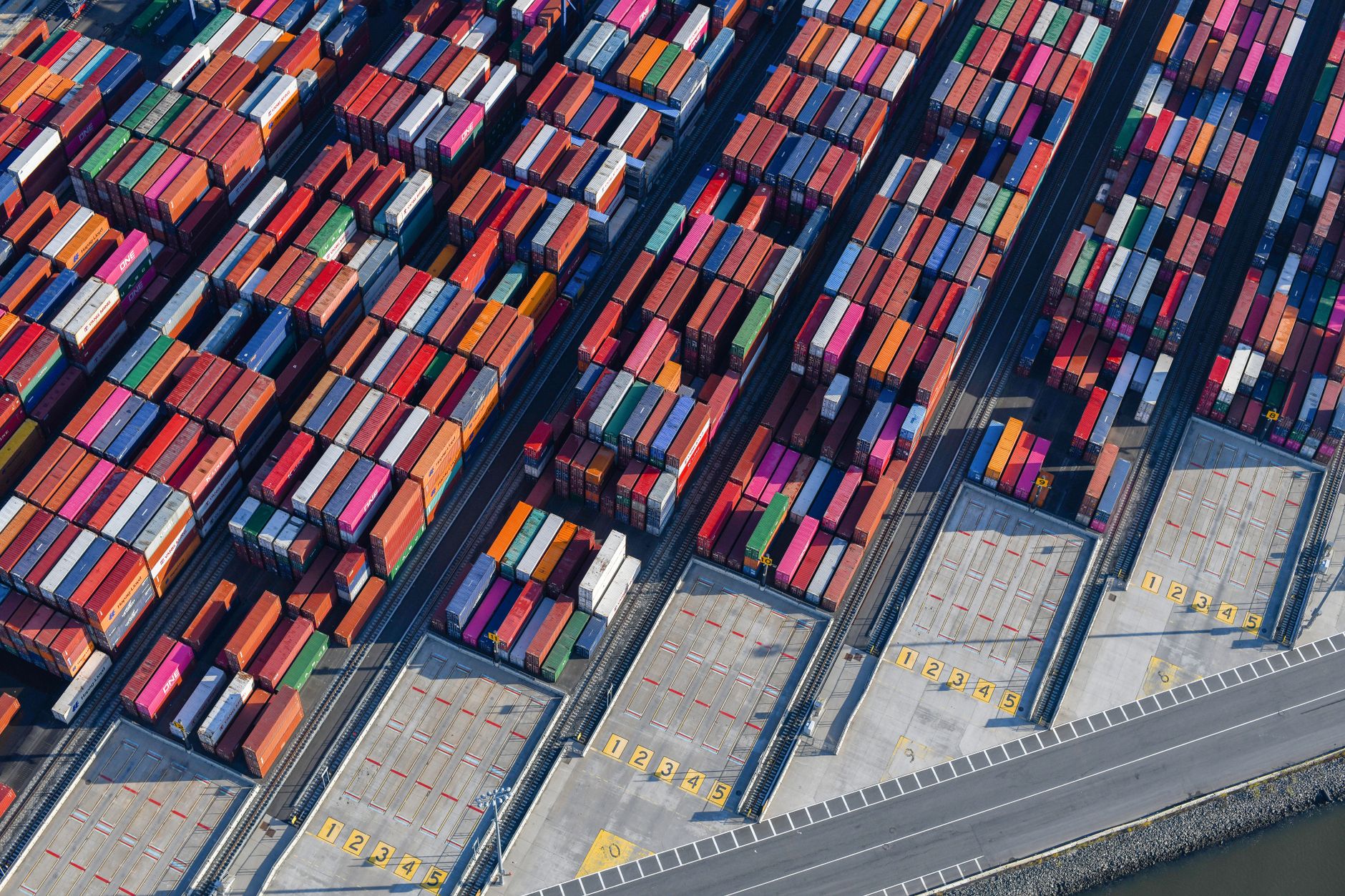
Why Sovereign Funds Are Drawn to This Structure
Sovereign wealth funds carry a unique investment constraint: they are managing money across generations, not quarters. The Norwegian Government Pension Fund Global, the Abu Dhabi Investment Authority, and Singapore’s GIC operate with time horizons that make a 50-year ground lease look like a medium-term hold. For them, the primary risk is not underperformance – it is inflation eroding purchasing power over decades. A ground lease with rent escalators tied to the Consumer Price Index or to regional trade volume indices acts as a natural hedge against that erosion.
The secondary appeal is structural seniority. In a freight terminal’s capital stack, the ground lease sits below everything else. If the terminal operator goes bankrupt, if trade volumes collapse, if the logistics company running the facility is absorbed or dissolved, the ground lease holder retains its interest. The land remains. The lease survives. This is not a theoretical protection – it has played out in several port restructurings over the past two decades where terminal operators were wiped out while the underlying landholders emerged intact. Sovereign funds studying those cases have drawn the obvious conclusion.
There is also a scarcity argument that is difficult to dismiss. Freight terminal locations are not reproducible. A deep-water berth adjacent to a major highway interchange in a coastal metropolitan area cannot be manufactured. The land under the Port of Los Angeles, the terminals at Rotterdam, the logistics hubs flanking Singapore’s Tuas mega-port – these positions exist once. Whoever holds the ground lease on land like that holds something that cannot be replicated regardless of how much capital floods the market. Sovereign funds, which have faced persistent problems deploying large capital positions without inflating the price of assets they are buying, find this scarcity genuinely useful.
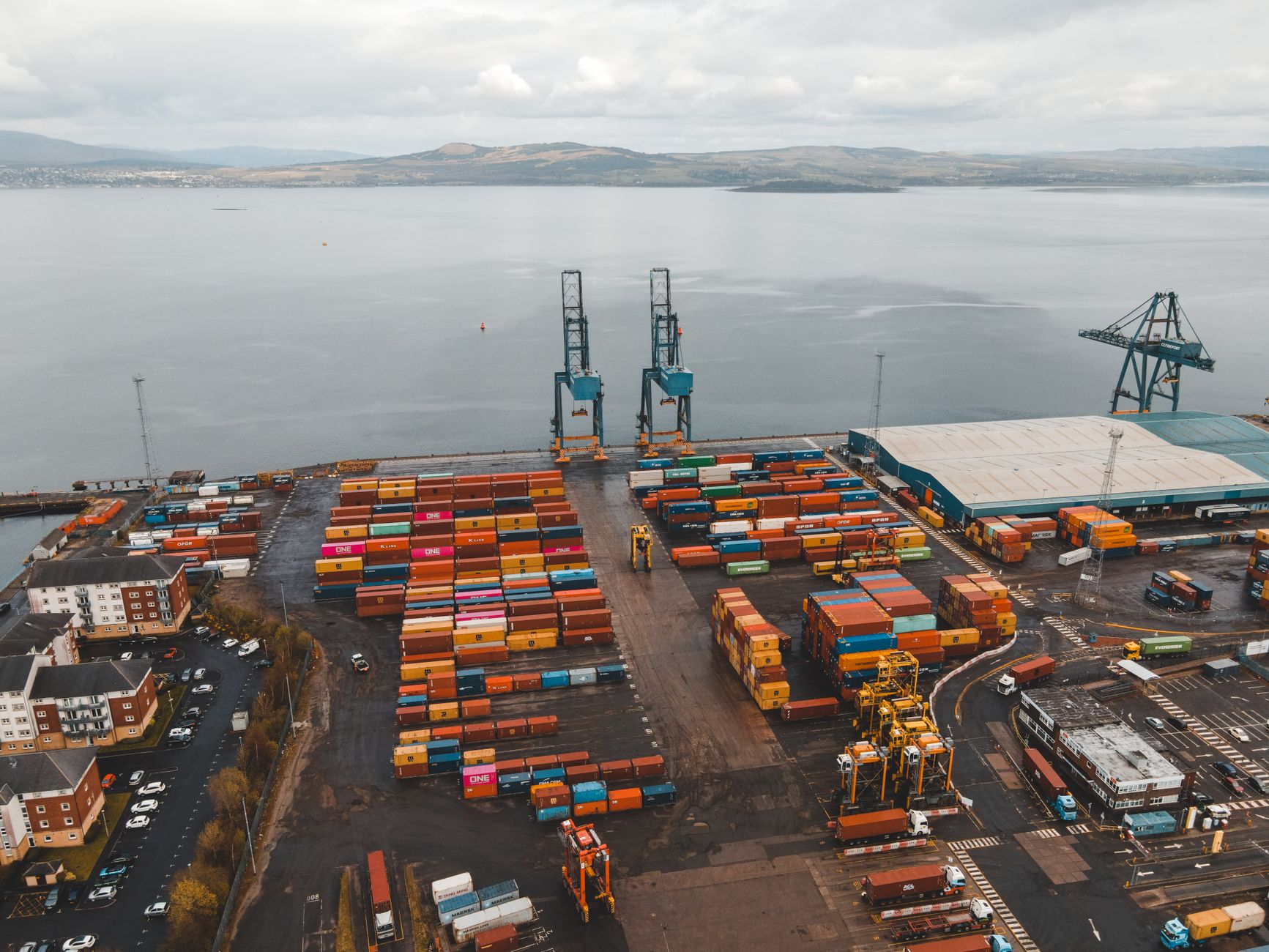
How the Deals Are Structured and Who Sells
Most of these transactions do not appear in the financial press because they are not direct acquisitions of ports or terminal operators. They take the form of ground lease monetization deals, where a port authority or government body sells a long-term leasehold interest to raise capital while retaining operational control and eventually recapturing the asset at lease expiration. From the seller’s perspective, it is a form of structured finance. From the buyer’s perspective – the sovereign fund – it is an infrastructure income investment with a built-in sunset. Many port authorities in Europe and the United States have used this mechanism to fund expansion projects without adding to public balance sheets, and sovereign funds have been willing counterparties precisely because they can commit to the required timelines.
A growing number of these transactions are structured through intermediary vehicles – infrastructure-focused funds or joint ventures – that aggregate multiple ground lease positions across several terminals before bringing in anchor investors. This allows sovereign funds to build diversified exposure without negotiating directly with dozens of separate port authorities. It also provides a degree of opacity that suits both parties. Port authorities in politically sensitive jurisdictions sometimes prefer not to announce that a foreign state fund holds a 60-year ground lease on their primary container terminal. Sovereign funds, for their part, prefer not to attract scrutiny that might invite regulatory interference or complicate future acquisitions. The result is a market that functions largely in the background of mainstream infrastructure investing.
The parallel dynamic seen in pension fund accumulation of infrastructure debt positions applies here: large institutional buyers are increasingly willing to accept illiquidity premiums in exchange for predictable, inflation-linked cash flows that match their long-dated liabilities. Ground leases at freight terminals offer one of the cleaner expressions of that trade-off available in today’s market.
The Risk Side of a Seemingly Bulletproof Trade
No asset class is without risk, and freight terminal ground leases carry several that deserve attention. The most significant is obsolescence – not of the land itself, but of the specific terminal use. Automation trends in port logistics, shifts in global shipping routes following geopolitical realignments, or the long-term decline of fossil fuel-related cargo (which currently accounts for a substantial share of terminal throughput in certain regions) could reduce the economic value of specific terminal sites. A ground lease on land that once hosted a coal export terminal is worth considerably less today than it was twenty years ago. Sovereign funds acquiring these positions are betting, implicitly, that the underlying land retains logistical value across the full lease term – a reasonable but not guaranteed assumption.
Political risk also sits closer to the surface than the structural protections of a ground lease might suggest. Several jurisdictions have retroactively imposed restrictions on foreign state ownership of port-adjacent infrastructure, citing national security concerns. Australia, the United States, and several European nations have either enacted or proposed legislation that could affect the enforceability or transferability of ground lease interests held by foreign sovereign entities. A lease is only as strong as the legal system willing to uphold it, and that legal system is subject to political pressure in ways that pure financial engineering cannot fully neutralize.
Currency mismatch adds another layer. Ground lease payments are denominated in local currency – dollars, euros, Australian dollars, ringgit – while sovereign fund reporting is typically done in the home currency or in a reserve currency benchmark. Over a 50-year lease, that mismatch can meaningfully affect realized returns even when the underlying asset performs exactly as modeled.

What makes this accumulation pattern worth watching is not the volume of any single transaction but the consistency of the directional bet: multiple sovereign funds, operating independently across different geographies, have arrived at the same conclusion about where to place long-duration capital. When that level of institutional consensus forms quietly, without press releases or investment conference announcements, it usually means the opportunity window is narrower than it looks from the outside.
Frequently Asked Questions
What is a freight terminal ground lease?
It is a long-term contractual arrangement where a landowner leases the underlying ground to a terminal operator, typically for 30 to 99 years, while retaining title to the land itself.
Why are sovereign wealth funds interested in ground leases rather than terminal operations?
Ground leases offer inflation-indexed cash flows, structural seniority in the capital stack, and multi-decade stability that aligns with sovereign funds’ generational investment mandates without exposure to freight rate volatility.