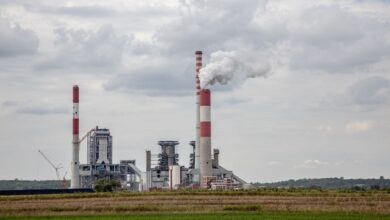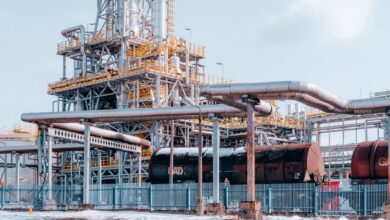

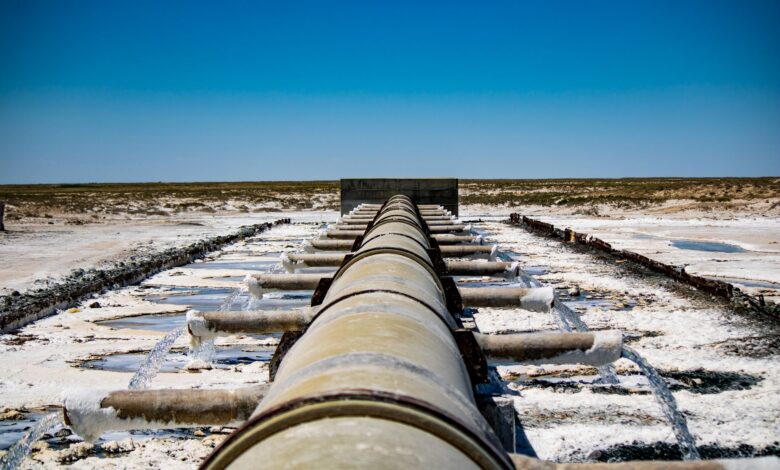
Pension funds are moving into desalination plant leases with the kind of quiet deliberation that tends to precede a significant institutional shift. The assets are obscure, the deal structures are complex, and that is precisely why the returns have stayed attractive.
Why Desalination Infrastructure Attracts Long-Term Capital
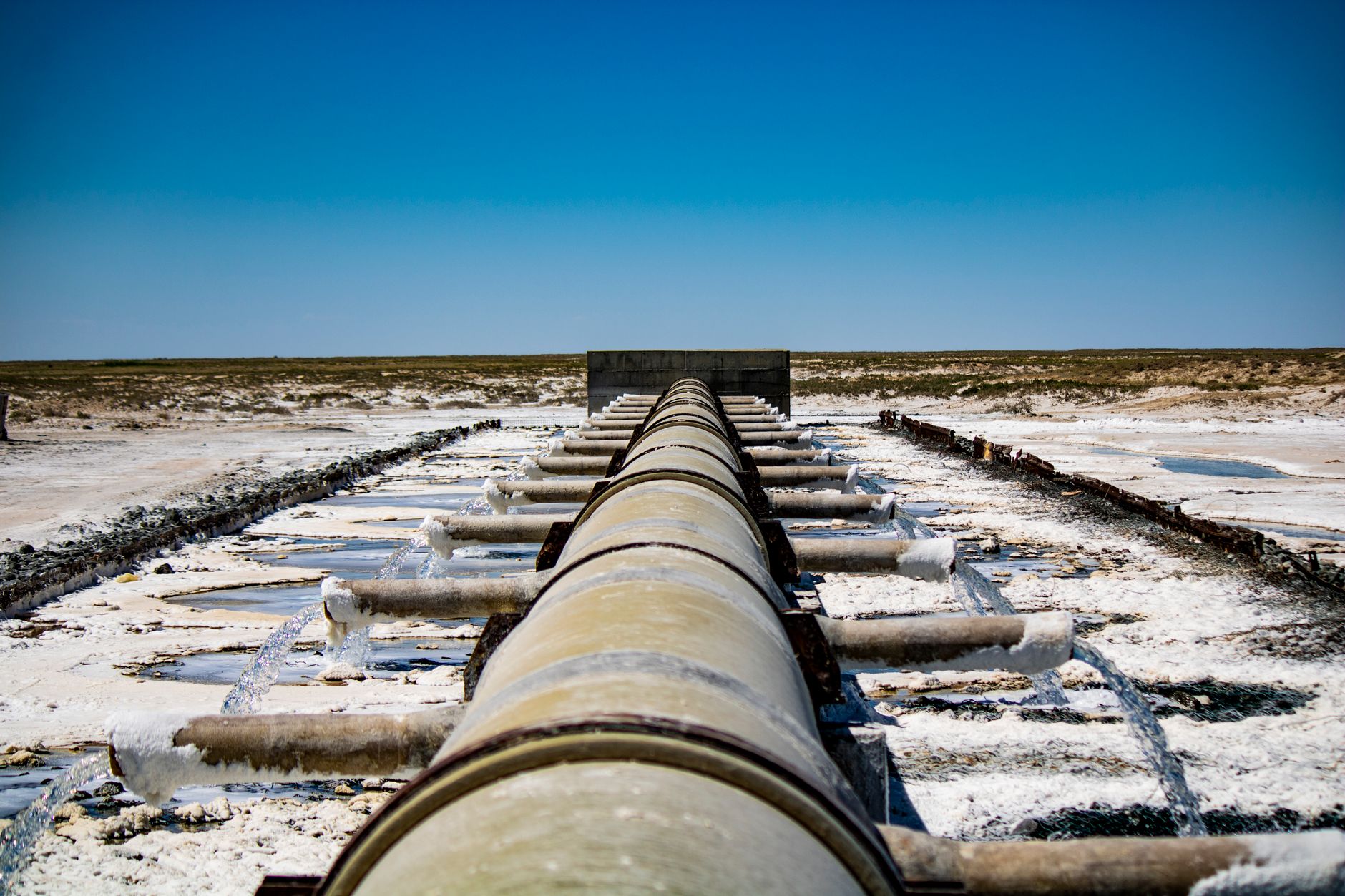
Desalination plants operate on long-term offtake agreements – typically 20 to 30 years – with municipal water authorities or national governments as the counterparty. For a pension fund managing liabilities that stretch decades into the future, that duration alignment is not incidental. It is the core of the investment thesis. The lease payments are contractually fixed, often indexed to inflation, and backed by entities that cannot simply walk away from their water supply obligations.
Water scarcity is accelerating the construction pipeline for these facilities. The Middle East, North Africa, coastal Australia, and parts of the American Southwest are all expanding desalination capacity, and the financing structures attached to those expansions have grown more sophisticated. Rather than buying equity in operating companies, pension funds are increasingly acquiring the underlying land and facility leases themselves – then leasing them back to the operators under long-dated agreements. The result is an asset that behaves less like an equity stake and more like a very long bond, secured by physical infrastructure that cannot be relocated or replicated cheaply.
The credit profile of these leases also appeals to funds that carry strict mandate restrictions on risk. A desalination plant serving a major coastal city represents essential public infrastructure. Governments do not let those plants go dark. That implicit backstop, even when no formal sovereign guarantee exists in the documentation, compresses the effective risk premium that pension fund managers assign to these positions.
There is a related pattern worth mentioning here: pension funds have applied the same logic to wastewater treatment bonds, where contractual revenue streams tied to municipal systems produce a similar liability-matching profile. Desalination leases are a natural extension of that playbook, applied to the intake side of the water cycle rather than the output.
The Structural Mechanics Behind the Trade
The actual mechanics of how pension funds access these leases vary considerably. Some funds invest through infrastructure-focused private equity vehicles that bundle multiple water projects across different geographies into a single fund structure. Others are acquiring direct positions through bilateral negotiations with plant developers or the municipalities commissioning the facilities. A smaller number are participating in sale-leaseback transactions, where an operating company sells its facility to an institutional investor and then pays rent to continue running it. Each approach carries a different liquidity profile and a different degree of operational involvement.

The sale-leaseback structure has attracted particular attention because it allows pension funds to step into a stream of contracted payments without taking on any operational risk. The fund owns the physical asset – or the long-term ground lease beneath it – while the desalination company continues managing the plant, hiring the engineers, and absorbing any maintenance cost overruns. From the pension fund’s perspective, the arrangement converts an operational business into something resembling a net lease real estate position, a structure that institutional capital has understood and priced for decades.
Currency and sovereign risk add layers of complexity for funds deploying capital into developing markets. A desalination plant in coastal West Africa or Southeast Asia may offer a substantially higher nominal yield than one in Southern California, but the lease payments are often denominated in local currency, and the offtake counterparty may be a state utility with a patchy payment history. Pension funds managing these exposures typically employ currency hedging at the fund level, which compresses the net yield considerably. Whether the residual return still justifies the complexity is a calculation each fund makes differently, depending on its internal cost of capital and its existing geographic concentration.
Regulatory risk is the other variable that fund managers monitor closely. Desalination has faced political opposition in some jurisdictions, particularly in California and parts of Europe, where environmental concerns about brine discharge and marine ecosystem disruption have slowed permitting and, in some cases, forced operating plants to curtail output. A fund that owns a lease on a facility running below contracted capacity is still receiving rent, but the counterparty’s ability to service those payments long-term depends on the plant remaining economically viable. That creates an indirect exposure to the regulatory environment that is sometimes underweighted in initial underwriting models.
Valuation is a persistent challenge across all of these positions. There is no liquid secondary market for desalination plant leases, which means the marks that appear on pension fund statements are largely model-derived. Two funds holding economically similar positions can report materially different valuations depending on the discount rate assumptions embedded in their internal models. For beneficiaries and regulators trying to assess a fund’s true risk exposure, that opacity is a real limitation – and one that has drawn occasional scrutiny from institutional oversight bodies in the UK and Australia, where pension disclosure standards have tightened over the past several years.
What the Allocation Signals About Institutional Strategy

The gradual build-up of desalination lease exposure tells a broader story about where large pension funds are hunting for yield as traditional fixed income returns have compressed. Infrastructure assets with contractual cash flows have become a default destination for funds that need to close the gap between asset returns and liability growth. Within that category, water infrastructure carries an additional appeal: it is non-correlated with financial markets in any meaningful way, and the demand for the underlying service – clean water – does not fluctuate with economic cycles the way freight volumes or toll road traffic does.
The open question is whether valuations in this corner of the market have already absorbed most of the return premium that made these assets attractive in the first place. As more institutional capital targets the same narrow universe of contracted infrastructure leases, cap rates compress and entry prices rise. A fund that accessed desalination leases five years ago at a 7% yield equivalent may find that comparable assets today are clearing at 5% or lower – a return that looks considerably less distinctive against the current rate environment. Whether the next wave of buyers is pricing that adequately is the tension running through every deal currently in process.