
The Quiet Accumulation of a Critical Resource
Potash royalties are not glamorous. They don’t generate headlines the way tech IPOs do, and they don’t attract the kind of retail investor attention that drives meme stock cycles. But for sovereign wealth funds – the state-controlled investment vehicles managing trillions in national reserves – the slow, methodical acquisition of royalty stakes in potash mining operations has become a recognizable pattern over the past several years. The logic is straightforward: potash is essential to global food production, its supply is geographically concentrated, and royalty structures generate income without the operational headaches of running a mine.
What makes this trend worth watching is how deliberately it unfolds away from public scrutiny. Sovereign wealth funds rarely announce these moves. They accumulate positions through subsidiary structures, co-investment agreements with private equity firms, and direct bilateral deals with mining royalty companies. By the time a stake becomes visible in regulatory filings or annual reports, the capital has long been deployed and the thesis is already playing out.
Why Potash Royalties, and Why Now
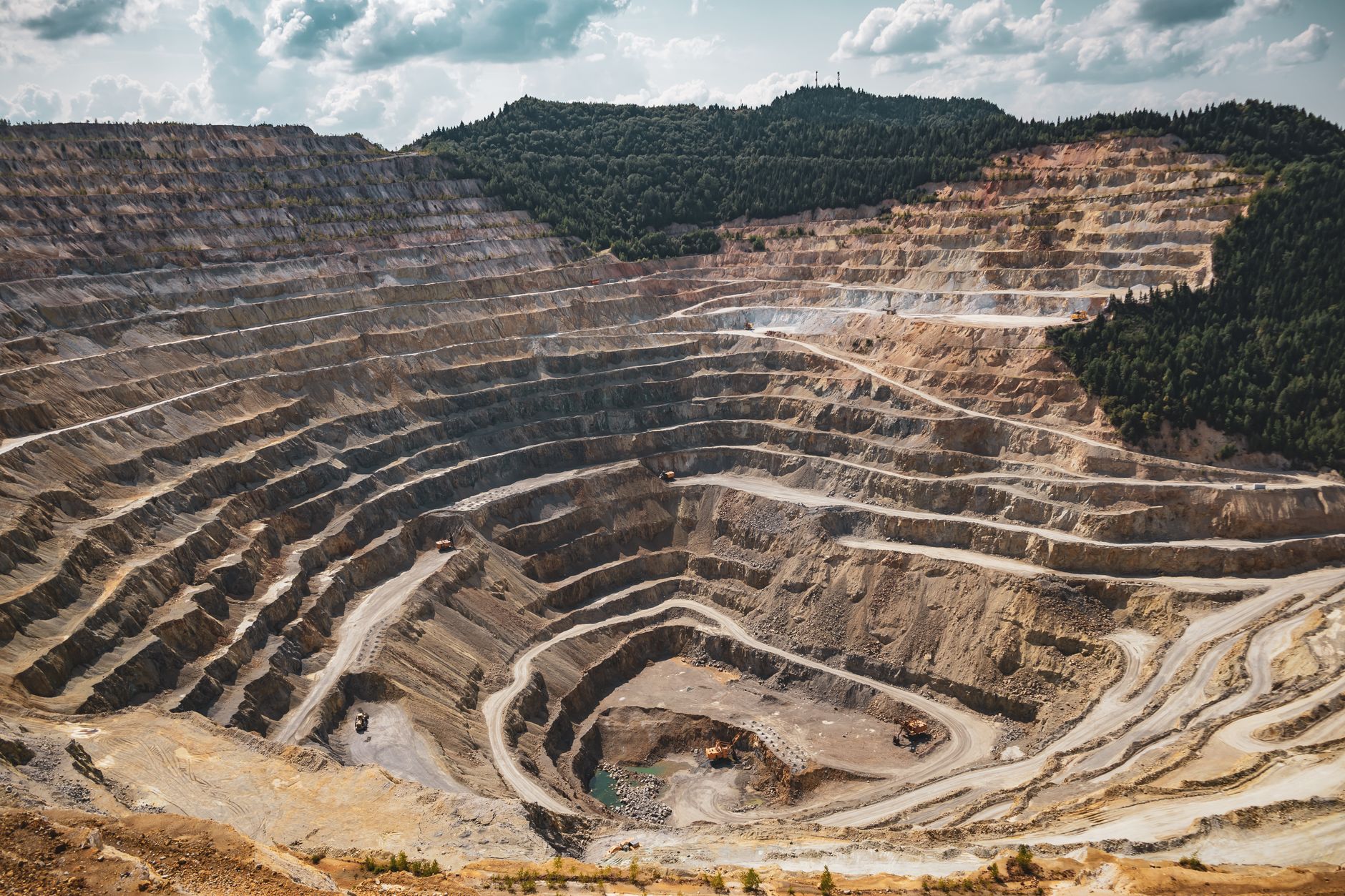
Potash – mined primarily in Canada, Russia, and Belarus – is one of three macronutrients essential to commercial agriculture. Without it, crop yields fall. Demand tracks population growth and dietary shifts toward protein-heavy diets, which require more grain to produce. The supply picture is considerably more constrained: a handful of countries control the overwhelming majority of economically viable deposits. That combination of inelastic demand and geographic concentration creates the kind of long-duration, inflation-linked cash flow profile that sovereign wealth funds specifically target when building out their infrastructure and real assets portfolios.
Royalty structures add another layer of appeal. A royalty holder receives a percentage of the revenue – or sometimes the production volume – from a mine without bearing the capital expenditure risk of building or maintaining it. When ore prices rise, royalty income rises. When the operator makes efficiency improvements, the royalty holder benefits without contributing to those improvements. The downside exposure is real but bounded: if a mine closes, the royalty stops paying. But sovereign funds with multi-decade time horizons can absorb that kind of binary risk when the underlying commodity has centuries of remaining demand.
The geopolitical dimension has accelerated interest considerably. Russia’s invasion of Ukraine in 2022 disrupted two of the world’s largest potash-exporting nations simultaneously – Russia and Belarus together had accounted for roughly 40 percent of global exports before sanctions and logistics disruptions cut into that share. That shock reminded agricultural importers across Asia, Africa, and the Middle East just how exposed they were to potash supply disruptions. Several sovereign funds from those same regions subsequently increased their focus on Canadian potash royalties as a form of food security hedging. Owning a royalty doesn’t give a government the right to redirect physical potash supplies, but it does provide financial returns that offset the higher prices paid on the open market during shortage periods.
Canada’s Athabasca Basin and Saskatchewan’s potash corridor have drawn particular attention. The geological formations there are among the richest known deposits, with existing infrastructure reducing development timelines. Royalty companies operating in those regions have reportedly received unsolicited approaches from sovereign-backed capital, and a growing number of royalty transactions in that geography have involved undisclosed foreign institutional buyers as limited partners or secondary purchasers.
The Royalty Model as a Structural Preference
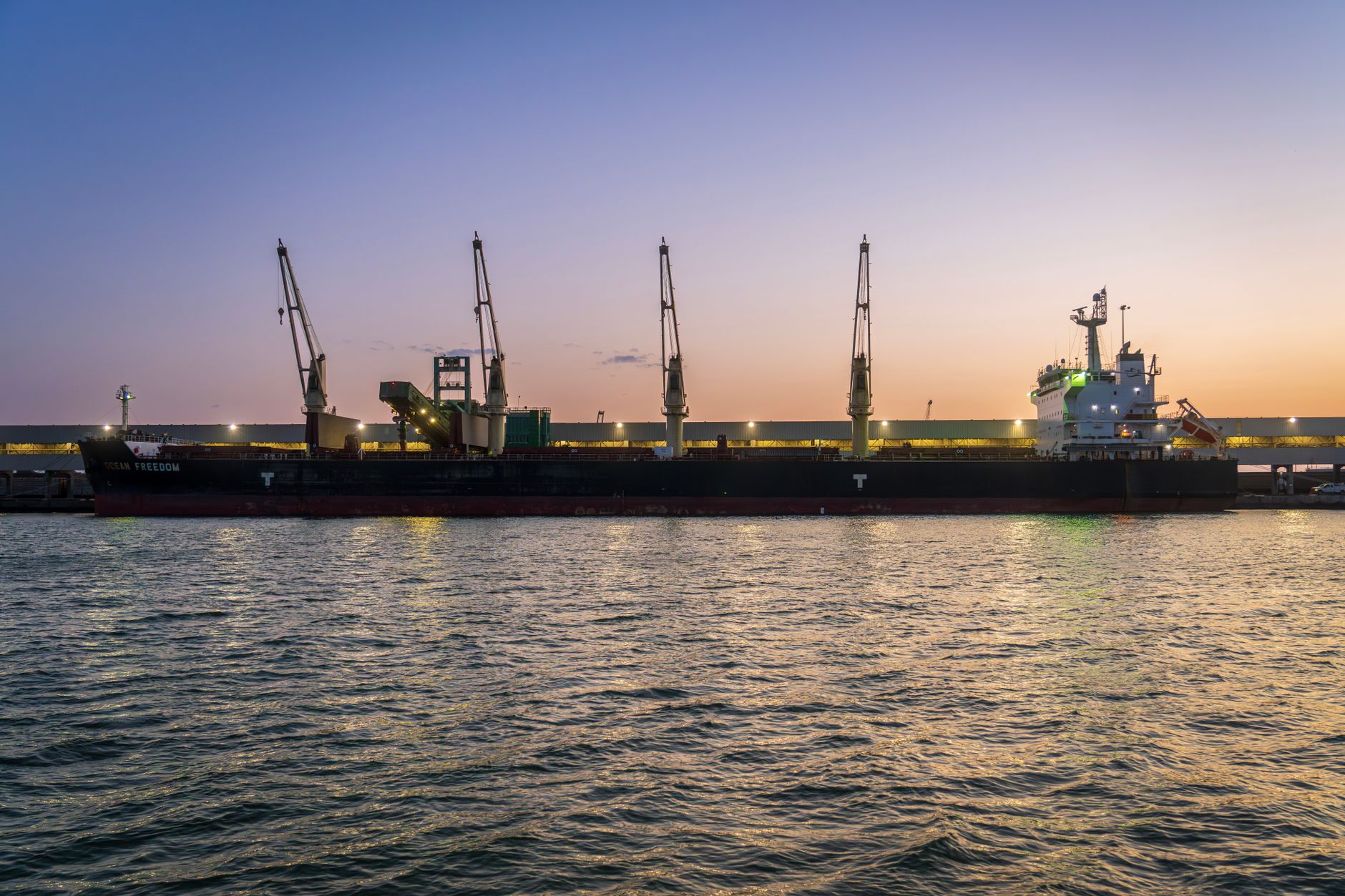
Sovereign funds have increasingly favored royalty and streaming structures across a range of commodities, and potash fits naturally into that broader orientation. The model was pioneered in precious metals – companies like Franco-Nevada built the royalty template for gold and silver – and has since expanded into base metals, lithium, and agricultural minerals. For a fund managing hundreds of billions in assets, the royalty structure offers something that direct equity in a mining company cannot: separation from operational volatility.
A mining company’s stock price moves on labor disputes, equipment failures, environmental litigation, and management decisions. A royalty interest moves primarily on the price of the underlying commodity and the production volume of the mine. That cleaner exposure is worth paying a premium for, particularly when a fund’s mandate requires stable, predictable distributions to support government spending obligations back home. Pension funds have pursued a structurally similar approach in crude oil terminal leases, seeking asset-backed income streams that insulate them from the operational risks of commodity production.
The Opacity Problem – and Why It Persists
The near-invisibility of these transactions is not accidental. Sovereign wealth funds operate under varying disclosure requirements depending on their home jurisdiction, and many structure their investments through intermediary entities registered in Luxembourg, the Cayman Islands, or Delaware. When those entities acquire stakes in royalty companies, the beneficial ownership can remain obscured for years – or indefinitely, if the stake stays below the thresholds that trigger mandatory disclosure in the royalty company’s home market.
This opacity creates a specific tension in countries like Canada, where foreign investment review mechanisms exist but are calibrated primarily for direct acquisitions of operating companies rather than royalty interests in those companies. A foreign state fund buying a 15 percent stake in a potash mining company might trigger a national security review. The same fund acquiring a 15 percent stake in a royalty company that holds royalties over that mine may not – even though the economic exposure is substantially similar. Regulatory frameworks have not kept pace with the sophistication of the structures being used.
The Canadian government has tightened foreign investment rules for critical minerals in recent years, but enforcement focuses heavily on ownership of productive assets. Royalty interests occupy an ambiguous space: they are financial instruments derived from resource extraction, not direct claims on the resource itself. That ambiguity is not lost on the legal and structuring teams at the funds doing the acquiring.

For smaller royalty companies – the ones that don’t have the market capitalization or political profile of a major – the inflow of sovereign capital is largely welcome. It provides liquidity, validates the underlying asset quality, and often comes with patient capital that doesn’t pressure management for short-term results. The strategic implications, however, extend beyond any single transaction. As more royalty interests over critical agricultural minerals shift toward state-controlled foreign holders, the question of who benefits financially from a major supply disruption becomes geopolitically loaded in ways that no one has fully mapped out yet.
Frequently Asked Questions
Why are sovereign wealth funds interested in potash royalties specifically?
Potash is essential to global food production and has geographically concentrated supply, making royalty income over it both inflation-linked and strategically valuable for state investors.
How do sovereign funds acquire these royalty stakes without public disclosure?
Many use subsidiary structures registered in offshore jurisdictions, keeping beneficial ownership below the thresholds that trigger mandatory disclosure in the royalty company’s home market.