Sovereign Wealth Funds Quietly Build Positions in Ammonia Export Terminal Leases

The Quiet Accumulation Behind Ammonia’s Export Infrastructure
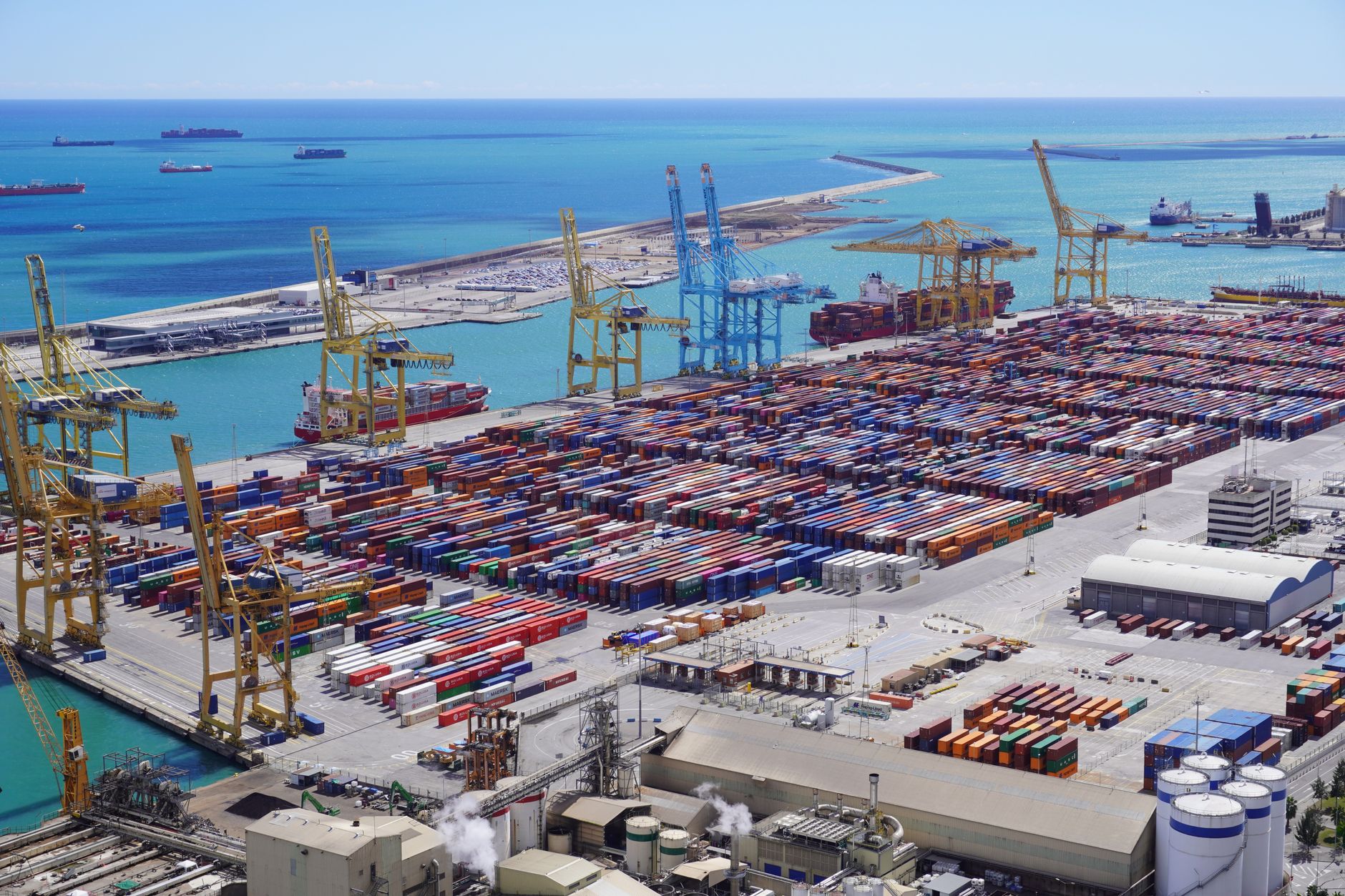
Sovereign wealth funds have spent the better part of two years quietly acquiring long-term lease positions in ammonia export terminals along major coastal corridors, and the pattern is becoming harder to ignore. These aren’t speculative bets on fertilizer prices or short-cycle commodity plays – they’re multi-decade infrastructure holds structured to capture fixed rental income from terminal operators regardless of what happens to ammonia spot markets. The lease itself is the asset, not the cargo moving through it.
What makes this accumulation notable is how it mirrors the playbook these funds have long used in toll roads, airport concessions, and regulated utilities. A lease on a working export terminal generates contractual cash flows, benefits from capital tied up in physical infrastructure that can’t be easily replicated, and sits at the bottleneck of a supply chain that most investors overlook entirely. The ammonia terminal lease, structured correctly, functions less like a commodity trade and more like a long-duration bond with inflation linkage built into the rent escalation clauses.
Why Ammonia, and Why Now
Ammonia occupies an unusual position in the global energy transition conversation. It’s the dominant nitrogen source for agricultural fertilizers, which gives it a permanent demand floor that has nothing to do with decarbonization policy. But it has also attracted serious attention as a hydrogen carrier – a way to ship hydrogen molecules across oceans without the cryogenic infrastructure that liquefied hydrogen requires. That dual-use profile means terminal infrastructure built today for conventional ammonia trade can potentially serve as the backbone of a future clean energy supply chain, without requiring a complete rebuild.
This optionality is precisely what sovereign capital finds attractive. A fund managing multigenerational wealth doesn’t need ammonia to become a hydrogen superhighway next decade – it just needs the terminal to remain strategically necessary. So far, that condition holds. Global ammonia trade volumes have grown steadily as food security concerns push importers to diversify away from single-supplier dependence, and several governments in Asia and Europe have signed long-term offtake frameworks that lock in demand for decades. Export terminals positioned along efficient shipping routes become fixed points in a global supply network, and the leases on that land become durable income instruments.
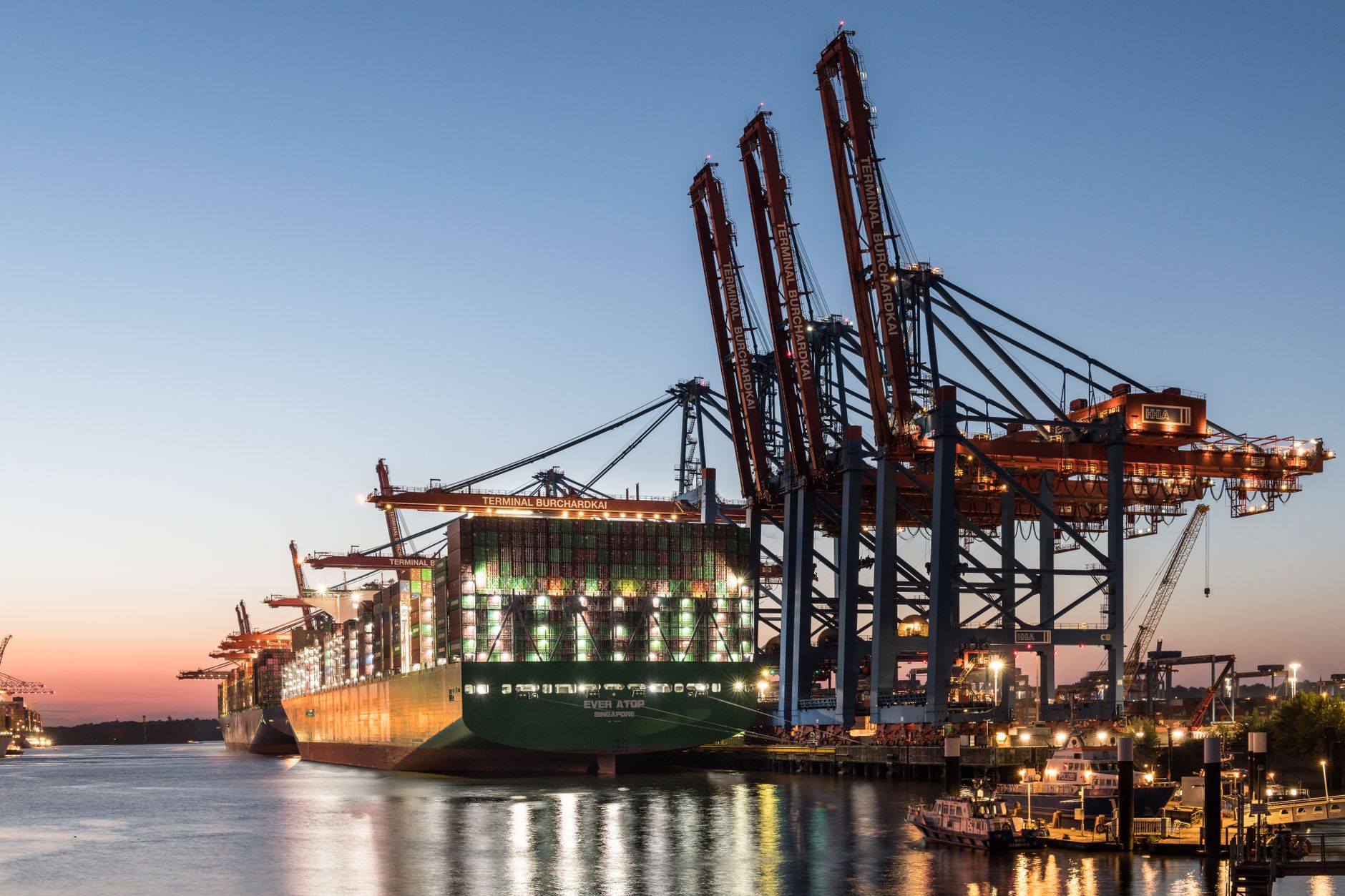
The structural logic runs deeper than trade volumes. Ammonia terminals require enormous upfront capital – specialized storage tanks capable of handling cryogenic conditions, dedicated loading arms, vapor recovery systems, and extensive safety buffers. Once that infrastructure is in place, operators are effectively anchored to their location. A terminal operator who has spent hundreds of millions building out a berth isn’t walking away from a lease renewal negotiation. That stickiness is what gives the landowner – often now a sovereign fund or its infrastructure subsidiary – significant pricing power at each renewal cycle.
There’s also a regulatory moat worth noting. Permitting new ammonia export capacity takes years, and in many jurisdictions the approvals process has grown more complicated as communities and environmental regulators demand more rigorous impact assessments. The result is that existing permitted terminals carry a scarcity premium that didn’t exist when many of these facilities were first built. A fund that holds a 30-year ground lease on a permitted, operating terminal owns a position that a competitor simply cannot replicate quickly, regardless of capital.
How the Lease Structures Actually Work
The mechanics of these transactions differ from direct infrastructure ownership in ways that matter for how sovereign funds account for and manage the exposure. Rather than acquiring the operating company or the terminal assets directly, funds are buying the underlying ground leases – the right to receive rent from whoever operates the facility. This keeps the fund out of the operational liability chain while preserving the income claim.
Lease terms in this space typically run 25 to 40 years with rent escalation provisions tied to inflation indices or, in some cases, to ammonia trade volumes passing through the terminal. The longer the lease, the more it resembles a fixed-income instrument in portfolio construction terms. Sovereign funds with long liability horizons – pension-linked pools in the Gulf region, for example, or national reserve funds managing multigenerational wealth – can match these durations in ways that most institutional investors cannot. That duration mismatch is actually a competitive advantage: other investors avoid long-dated illiquid instruments precisely because their mandates won’t allow it, which leaves sovereign capital with fewer bidders and better entry prices. This dynamic closely parallels what pension funds have pursued in crude oil terminal leases, where long-duration ground income structures have attracted similar capital for similar reasons.
The Geographic Concentration and What It Signals
The terminal positions being accumulated aren’t distributed randomly. Activity has concentrated around a handful of export corridors: Gulf Coast ports in the United States, terminals in the Netherlands and Belgium serving European agricultural importers, facilities along Australia’s northwest coast positioned for Asian markets, and emerging export points in the Middle East where ammonia production benefits from low-cost natural gas feedstock. Each of these locations sits at a geographic chokepoint where land is constrained, infrastructure is already built, and shipping economics favor concentration rather than dispersal.
That concentration tells a story about how sovereign funds are thinking about geopolitical risk distribution. Holding positions across multiple export corridors provides a hedge against regional disruption – if one trade route faces political friction or extreme weather, the others continue generating lease income. No single lease is large enough to move the needle for a major sovereign wealth fund, but a portfolio of 8 to 12 terminal leases across different geographies starts to look like a diversified infrastructure sleeve with food security and energy transition optionality embedded within it.
The timing of this accumulation also coincides with a broader pullback by conventional infrastructure funds, which have faced fundraising pressure and LP redemptions following rate increases. As those funds reduced new commitments, motivated sellers emerged among smaller lease holders who needed liquidity. Sovereign capital, which doesn’t face the same redemption pressure or fundraising cycle, stepped in at the moment when pricing was most favorable. That counter-cyclical positioning is a recurring feature of how the largest state-backed pools deploy capital – they move deliberately when others are retreating, and the ammonia terminal market in 2023 and 2024 offered exactly that kind of entry window.

What Conventional Investors Are Missing
Most retail and institutional investors who think about ammonia at all are thinking about fertilizer producers or commodity futures – the production side of the chain. The infrastructure underwriting that trade is essentially invisible in standard coverage. Terminal lease positions don’t appear in ammonia producer earnings reports, don’t show up in commodity ETF holdings, and aren’t tracked by any widely followed index. That invisibility is part of what makes the positioning attractive to sovereign funds: there’s no crowd to front-run them, and no benchmark pressure forcing their hand.
The risk profile is genuinely different from commodity exposure. If ammonia prices collapse, terminal operators face margin pressure – but they still have to pay rent. The lease sits above the commodity cycle in the capital structure. If trade volumes drop, throughput fees to operators may decline, but a fixed-rent ground lease insulates the landowner from that variability entirely. The scenario that actually threatens lease income is a permanent rerouting of global ammonia trade away from a specific terminal – a slow-moving risk that gives sophisticated holders time to assess and respond rather than the sudden drawdowns that commodity positions can suffer.
Whether smaller institutional investors can access these positions at all is a real question. The market for terminal ground leases is thin, private, and relationship-dependent. Most transactions clear through direct negotiation rather than competitive auction, and counterparties are often operating companies or energy majors who prefer dealing with well-capitalized, long-horizon holders. That structural access barrier may mean this particular corner of infrastructure investing remains dominated by sovereign and quasi-sovereign capital for the foreseeable future – which is itself a signal worth sitting with.