Sovereign Wealth Funds Quietly Accumulate Stakes in Desalination Plant Leases


Water as Infrastructure: The Quiet Repositioning of Sovereign Capital
Sovereign wealth funds have spent decades building positions in airports, toll roads, and fiber networks – the kind of hard assets that generate steady cash flows regardless of what equity markets are doing. Now a growing number of those same funds are moving into something less visible but arguably more defensible: long-term lease agreements tied to desalination plants. The shift is happening without fanfare, largely because the structures involved – operating leases, offtake agreements, and concession rights layered inside infrastructure vehicles – don’t require the same disclosure thresholds as direct equity stakes.
The appeal is not complicated to understand. Desalination capacity is expanding fastest in regions where freshwater scarcity is already a political and economic pressure point: the Gulf states, coastal North Africa, parts of southern Europe, Chile, and the western United States. In each of those markets, governments or municipal utilities sign long-term water purchase agreements with the plant operators, typically spanning 20 to 30 years. Whoever holds the lease on that underlying infrastructure collects a predictable, inflation-linked revenue stream backed by sovereign counterparties. For a fund managing intergenerational capital, that profile is close to ideal.
The water doesn’t run dry, and neither does the income.

Why Leases, Not Ownership
The distinction between owning a desalination plant outright and holding a stake in its lease structure matters more than it might appear. Direct ownership carries operational liability, regulatory exposure, and reputational risk – particularly in countries where water privatization is politically sensitive. A lease position sits one step removed. The fund holds a financial interest in the cash flows generated by the plant’s operation, not the plant itself. This allows sovereign vehicles to participate in water infrastructure economics while maintaining a lower public profile and avoiding the kind of scrutiny that follows outright privatization deals.
Several Gulf Cooperation Council sovereign funds have been particularly active in structuring these positions through infrastructure subsidiaries and co-investment platforms. Rather than appearing as the named acquirer in a concession deal, they enter through a consortium of institutional investors, sometimes alongside pension funds accumulating positions in long-duration infrastructure leases. The layering achieves two things simultaneously: it diversifies the capital base of any single project and it distributes the headline risk across multiple parties. No single fund looks like it controls the water supply of a coastal city.
There is also a currency dimension that rarely gets discussed. Desalination lease revenues in many jurisdictions are denominated in or indexed to U.S. dollars, making them attractive to sovereign funds that need to manage dollar reserves while generating returns above the rate on Treasury holdings. A 25-year water offtake agreement effectively functions as a long-duration, real-asset alternative to sovereign debt – without the mark-to-market volatility of bond portfolios.
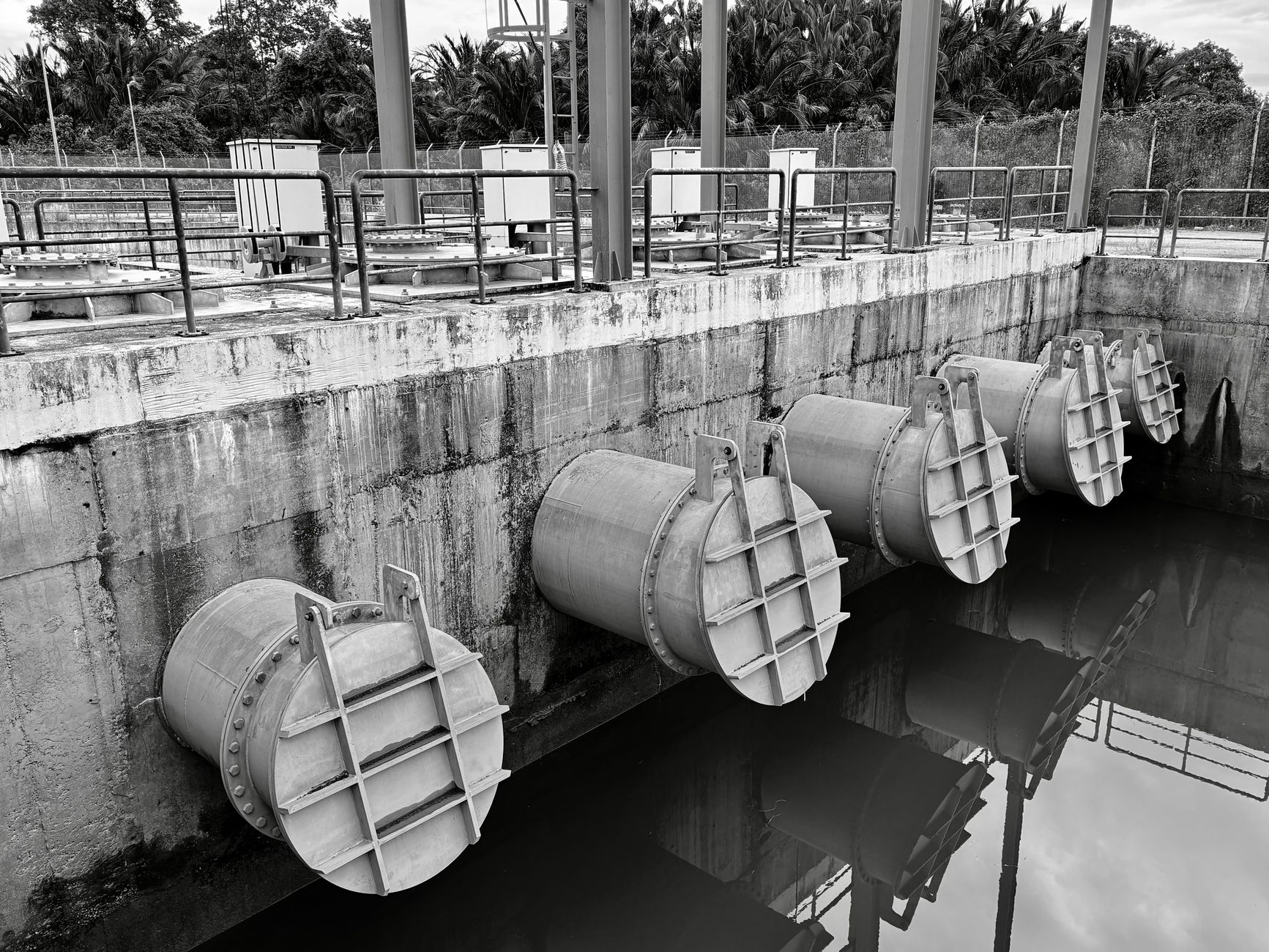
Scarcity as a Long-Term Thesis
The investment thesis doesn’t rest on financial engineering alone. The physical backdrop is what makes this category structurally different from other infrastructure bets. Global freshwater stress is not a speculative scenario – it’s an observable, measurable condition that is worsening in specific geographies at a predictable pace. Aquifer depletion, glacier retreat, and shifting precipitation patterns are reducing the supply of conventional freshwater in exactly the markets where population and industrial demand are growing fastest. Desalination is not a supplementary technology in those regions; it’s becoming the primary source of potable water for tens of millions of people.
That physical scarcity creates a pricing floor that most infrastructure assets don’t have. A toll road can be bypassed; a shipping terminal can lose volume to a competing port. A desalination plant serving a city in a water-stressed region has no real substitute. Governments in those markets cannot allow the plant to fail, which makes the underlying offtake agreement something close to a guaranteed revenue stream. Sovereign funds, which think in decades rather than quarters, are well positioned to hold assets whose value compounds slowly but without interruption.
The technology cost curve is also working in investors’ favor. The energy intensity of reverse osmosis desalination has dropped dramatically over the past 20 years, and continued efficiency improvements are compressing operating costs. A plant built today under a 25-year lease will, on current trends, become significantly cheaper to run midway through that contract – while the contracted revenue remains fixed or inflation-adjusted upward. That margin expansion is baked into the asset from the moment the lease is signed.
A Market Still Finding Its Shape
Secondary market liquidity for desalination lease positions remains thin. Unlike listed infrastructure equities or traded real estate investment trusts, these stakes change hands through private negotiation, often with long exclusivity periods and complex consent requirements from the underlying offtake counterparties. A sovereign fund entering a 25-year lease structure today should assume it is holding that position to maturity or near it. For funds with long liability horizons, that illiquidity is acceptable – even preferable, because it keeps shorter-term capital out of the asset class and reduces competitive pressure on pricing.

What changes the calculus is if and when standardized lease structures or pooled investment vehicles emerge that allow smaller institutional allocators to access the same cash flow profiles. A few infrastructure managers are already working on fund structures that would aggregate desalination lease positions across multiple geographies, creating diversified exposure with a single capital commitment. If those vehicles gain traction, the quiet accumulation phase – where sovereign funds are building positions at relatively favorable terms against limited competition – will end. The entry window, in other words, is open precisely because most capital hasn’t figured out how to get through it yet.