Sovereign Wealth Funds Quietly Accumulate Stakes in Sulfur Mine Royalty Streams

The Quiet Accumulation Nobody Is Talking About
Sulfur is not a glamorous commodity. It does not generate headlines the way gold or lithium does, and it rarely appears in the kind of investor presentations that circulate at major financial conferences. Yet beneath that low profile, a pattern has been forming: sovereign wealth funds from the Gulf, Southeast Asia, and Scandinavia have been quietly acquiring royalty interests tied to sulfur mining operations, building positions that could pay out steadily for decades without requiring them to operate a single mine.
The move is deliberate and structurally sound. Royalty streams – contractual rights to a percentage of production revenue – sit above operating costs on the cash flow waterfall. When a mine produces sulfur, the royalty holder gets paid first, before the operator covers labor, energy, or maintenance. That structure makes royalty ownership fundamentally different from direct equity in a mining company, and it is exactly the kind of low-volatility, long-duration income that large sovereign pools of capital are designed to hold.
Why Sulfur, and Why Now
Sulfur’s industrial role is easy to underestimate. The majority of global sulfur production is converted into sulfuric acid, which is a core input in phosphate fertilizer manufacturing. Without a steady sulfur supply, fertilizer production contracts, and without fertilizer, food production follows. That dependency does not disappear in a downturn. Agricultural demand for sulfuric acid is largely inelastic, which means royalty holders tied to producing sulfur assets collect revenue through commodity price cycles that would devastate equity investors in more discretionary industries.
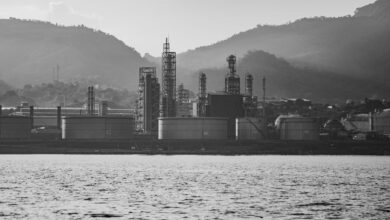
A significant portion of the world’s sulfur comes as a byproduct of oil and gas refining and natural gas processing. As energy companies continue stripping sulfur from fossil fuels to meet environmental standards, the supply side of the equation remains tied to refining activity rather than to a standalone mining decision. That creates a reliable, process-driven production baseline – one that royalty owners benefit from without bearing any operational risk. The sulfur flows because refiners are legally required to remove it, not because someone decided to open a pit.
Demand dynamics are also shifting in ways that favor long-term holders. The global push toward food security, particularly across South and Southeast Asia, has intensified pressure on phosphate supply chains. Countries building out domestic fertilizer capacity are locking in sulfuric acid supply agreements, which in turn draws attention to where the sulfur originates and who holds financial interests in those origin points. Sovereign funds, with their multi-generational investment horizons, are well-positioned to own assets that align with those decade-long demand trends.
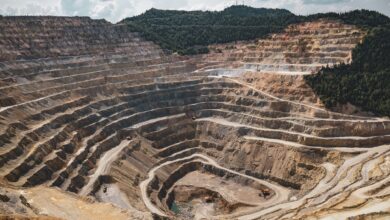
There is also a scarcity argument that rarely gets articulated clearly. High-purity sulfur deposits that can be mined as a primary product – rather than recovered as a refining byproduct – are geographically concentrated and not particularly abundant. Acquiring royalty rights over those deposits now, before the asset class receives broader institutional attention, is the kind of positioning that large funds excel at precisely because they can afford to wait years before those positions mature into meaningful returns. This pattern closely mirrors how sovereign wealth funds have built positions in iron ore royalty streams over similar multi-year accumulation windows.
How the Royalty Structure Works in Practice
A royalty agreement in the mining context typically grants the holder a fixed percentage of revenue or production volume from a defined deposit for the life of the mine. The royalty holder contributes capital upfront – often to a junior mining company that needs cash to develop or expand a project – and in return receives that contractual income stream without any ongoing obligation. They do not hire workers, buy equipment, or manage permits. They simply collect.
For sovereign funds, which often manage hundreds of billions in assets and face enormous pressure to deploy capital efficiently without taking on operational complexity, this is a near-ideal structure. The due diligence burden is front-loaded, the ongoing management requirements are minimal, and the cash flows are contractually defined. A fund can hold a royalty interest in a sulfur operation in Canada or Poland or Kazakhstan and never send a single employee to the site.
The Geopolitical Dimension
Sovereign wealth funds are not purely financial actors. They operate with national interests embedded in their mandates, and the accumulation of royalty interests in agricultural input supply chains carries strategic weight beyond pure return optimization. A Gulf state fund holding royalty streams tied to sulfur production used in fertilizer manufacturing has, in effect, built a quiet stake in global food supply infrastructure. That is not a coincidence.
Several of the largest sovereign pools of capital come from nations that are themselves heavily dependent on food imports. Acquiring royalty rights in upstream agricultural input production is one way to build indirect exposure to that supply chain without the political visibility of buying farmland outright – a tactic that has drawn significant regulatory scrutiny in recent years across the United States, Australia, and parts of Europe. Royalty interests fly well below that radar.
The funds most active in this accumulation phase tend to have the longest investment horizons and the least pressure to report quarterly performance. Norwegian, Emirati, and several Asian state-linked funds have all built track records of entering illiquid, unglamorous asset categories years before retail or institutional capital follows. By the time sulfur royalties become a recognized asset class with dedicated index products and fund structures, the best underlying positions will already be held – and they will not be for sale at any obvious price.