Sovereign Wealth Funds Quietly Build Positions in Nitrogen Pipeline Easements

The Quiet Infrastructure Play Nobody Is Talking About
Nitrogen pipeline easements sit at the intersection of two forces that institutional money has learned to love: long-duration contracts and assets that are nearly impossible to replicate. These easements – the legal rights granted to pipeline operators to run infrastructure across private or public land – generate fee income over decades, often indexed to inflation, and carry the kind of regulatory moat that makes organic competition nearly impossible. Sovereign wealth funds, particularly those managing energy-rich nations’ surpluses, have begun treating them not as peripheral infrastructure bets but as core fixed-income substitutes.
The shift is gradual and deliberate.
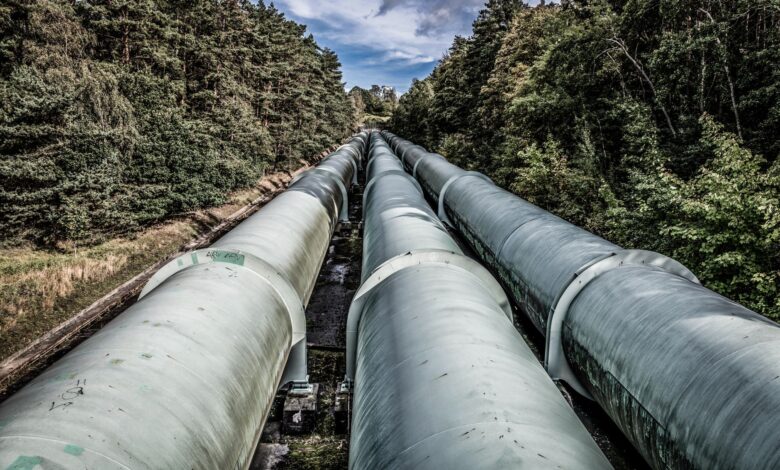
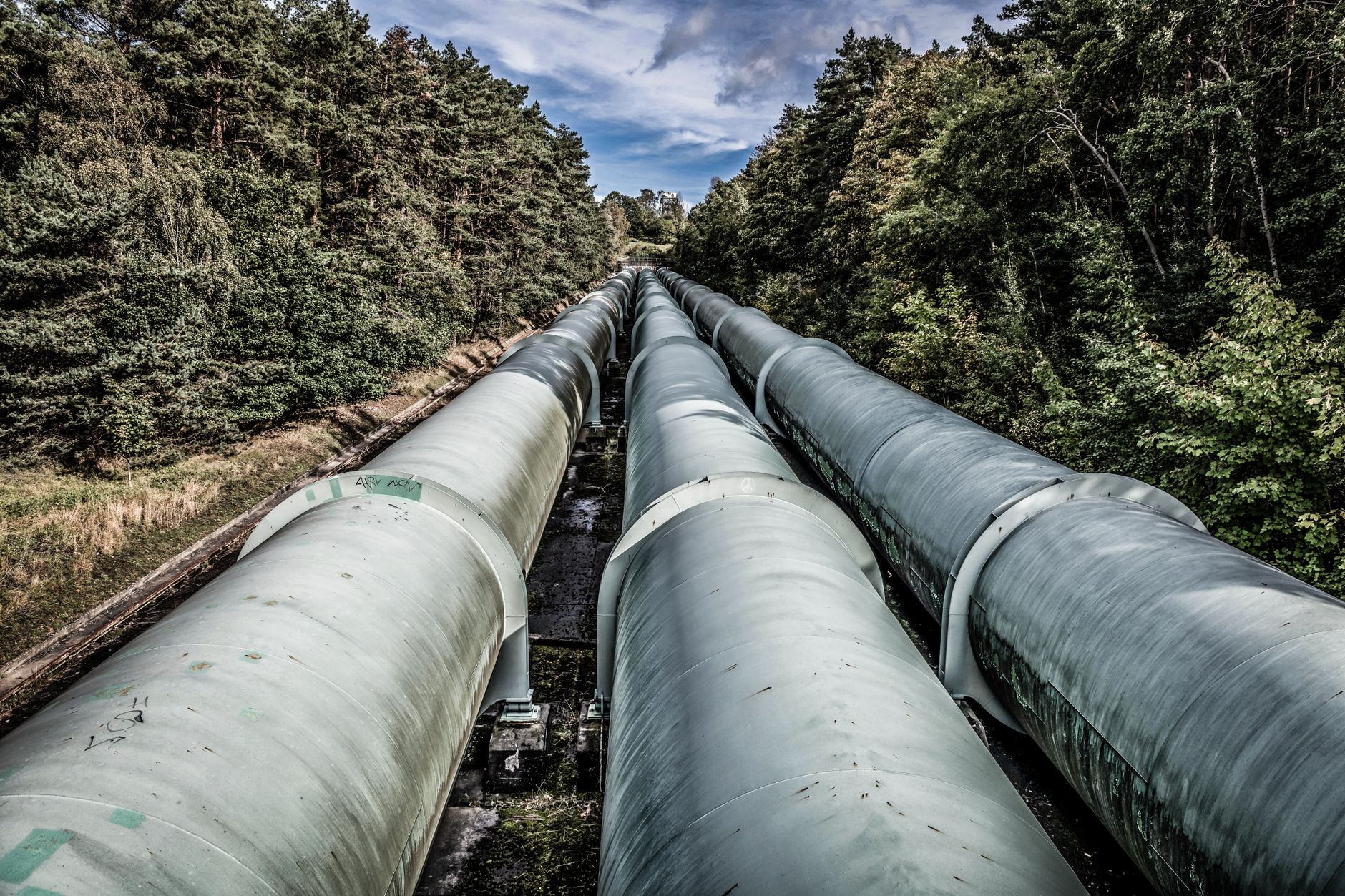
Nitrogen pipelines serve a specific industrial purpose: transporting anhydrous ammonia and other nitrogen-based compounds from production facilities to agricultural distribution points and industrial users. The United States alone operates several thousand miles of such infrastructure, concentrated in the Midwest and Gulf Coast corridors where fertilizer demand is structurally high. Unlike oil or natural gas pipelines, which attract enormous political and media scrutiny, nitrogen infrastructure moves largely below the public radar – and that obscurity, for large capital allocators, is a feature rather than a flaw.
Why Sovereign Capital Is Drawn Here
The appeal begins with duration. Easement agreements tied to nitrogen pipeline corridors frequently run for 50 years or longer, with automatic renewal clauses that effectively make them permanent fixtures on the land. For sovereign wealth funds managing intergenerational capital – where the investment horizon is not five or ten years but several decades – this matches liability profiles that shorter-duration assets simply cannot address. The income stream is predictable, the counterparties are typically large fertilizer producers or agricultural cooperatives with stable demand, and the underlying commodity need is not discretionary.
Food production drives nitrogen demand. Global population growth, the continued expansion of industrial agriculture, and the slow decarbonization of synthetic fertilizer production all point toward sustained or growing throughput on existing nitrogen pipeline infrastructure. Easement holders do not need to care about fertilizer prices directly – they earn fees based on volume or flat access charges, insulated from commodity volatility in a way that direct commodity investment is not. That separation of income from price risk is exactly the structure large institutional allocators spend years trying to engineer into portfolios.
There is also a scarcity argument worth taking seriously. Building new nitrogen pipeline corridors requires not just capital but years of permitting, environmental review, and easement negotiation with hundreds or thousands of individual landowners. The existing network took decades to assemble. Acquiring positions in established easements sidesteps that construction risk entirely and buys into infrastructure that would cost multiples of its current market value to reproduce from scratch. Sovereign funds that have built similar positions in iron ore royalty streams recognize the same logic at work here: own the right to the corridor, not just the asset moving through it.

How Positions Are Being Assembled
Direct acquisition of easement portfolios is rare and typically involves intermediary structures. Most sovereign wealth funds access this asset class through specialized infrastructure funds, private credit vehicles, or sale-leaseback arrangements with operating pipeline companies that want to unlock balance sheet capital without surrendering operational control. The result is that the sovereign capital sits in the capital stack – often in a senior or preferred position – while the pipeline operator continues to manage day-to-day throughput and maintenance. It is a structure borrowed from real estate investment, applied to industrial infrastructure.
A growing number of these transactions are being structured as royalty-style arrangements rather than straight debt or equity. Under this model, the sovereign fund acquires the right to receive a percentage of pipeline throughput revenue over the life of the easement, rather than a fixed interest payment. This introduces modest upside exposure to volume growth while retaining the downside protection that comes from contracted minimum payments. The structure has been refined over years in natural gas and mineral royalty markets – applying it to nitrogen infrastructure is a natural extension of the same playbook.
Deal sizes tend to be large enough to move the needle for sovereign allocators but small enough to avoid the regulatory scrutiny that would accompany a headline-grabbing acquisition of a major pipeline operator. Easement portfolios covering hundreds of miles of corridor can trade in the range of tens to hundreds of millions of dollars – material to a mid-sized sovereign fund’s infrastructure allocation, but not the kind of transaction that draws congressional attention or CFIUS review. That structural anonymity is not accidental.
What This Means for the Market

As sovereign capital continues to accumulate in nitrogen easement positions, the pricing of these assets will compress in ways that make entry harder for smaller institutional players who move more slowly. The pension funds and endowments that have watched sovereign wealth funds quietly build exposure across royalty and infrastructure asset classes are now paying closer attention – and the window for acquiring these positions at yields that still justify the illiquidity premium may not stay open indefinitely.