
The Quiet Accumulation Beneath the Surface
Water rights attached to hydropower infrastructure are becoming a serious target for pension funds looking to park capital in assets that generate steady, inflation-linked returns over decades. These rights – legal claims to divert and use a specific volume of water from a river or reservoir – sit at the intersection of two scarcities that are only growing: energy demand and freshwater availability. Pension managers who once ignored them as too obscure or too illiquid are now treating them as core infrastructure holdings.
The appeal is structural. Hydropower water rights in most jurisdictions are granted under long-term licenses that can run 30, 50, or even 100 years. The cash flows they generate are tied to electricity output, which in turn is tied to regulated or market-based power prices that tend to move with inflation over time. For a pension fund trying to match liabilities stretching 40 years into the future, that profile is nearly ideal.
This is not a public market story.
Why Now, and Why Hydropower Specifically
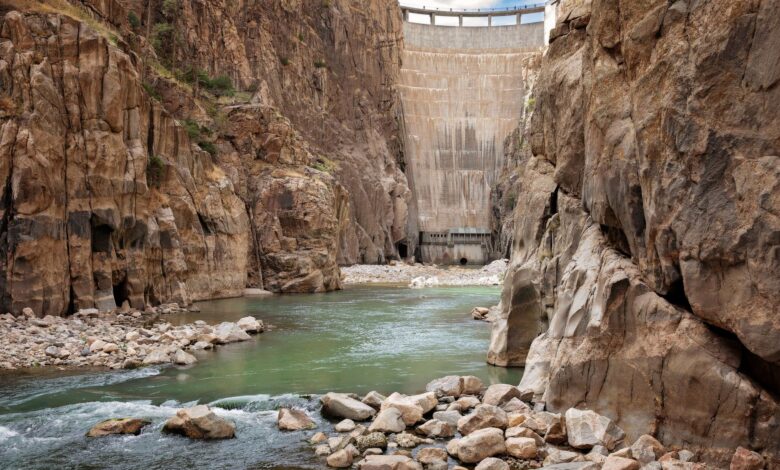
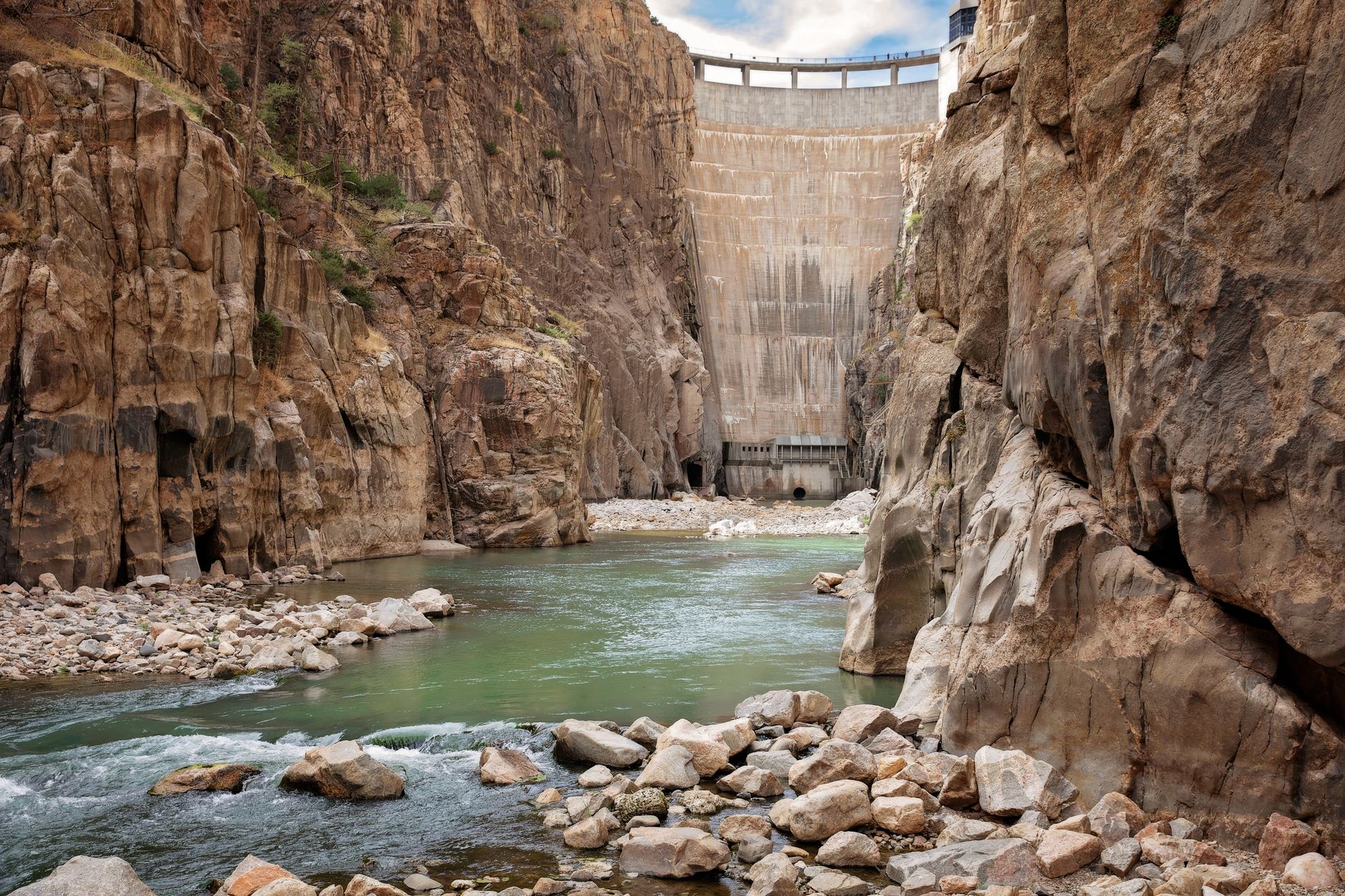
The timing connects directly to the broader energy transition. As coal and natural gas face political and regulatory headwinds, hydropower has quietly been revalued upward – not because it is new, but because it is dispatchable renewable generation. Unlike solar panels or wind turbines, a dam with a reservoir can release water on demand, meaning it produces power precisely when the grid needs it most. That flexibility commands a premium in power markets, and pension funds have noticed the premium is durable.
There is also a scarcity dynamic that goes beyond electricity. In the American West, the Colorado River Compact and similar regional frameworks have created a finite pool of senior water rights that cannot simply be replicated by filing new paperwork. Prior appropriation doctrine – first in time, first in right – means the oldest rights survive drought curtailments while junior holders go dry. Pension capital acquiring stakes in operations that hold senior hydropower rights is effectively acquiring a scarce legal position, not just physical infrastructure. The rights themselves appreciate when water stress increases, independent of any particular power contract.
Several large public pension systems have been moving through infrastructure fund intermediaries rather than acquiring assets directly. This creates a layer of obscurity that keeps these moves out of the financial press. The fund invests in a closed-end infrastructure vehicle, which then acquires operating licenses, hydropower facilities, or royalty-style arrangements tied to water use fees. The pension’s quarterly report shows a line item for “infrastructure” with no further breakdown, making the water rights accumulation essentially invisible to the public.

The Structure of These Deals
The transaction structures vary, but a common approach involves acquiring a minority or majority equity stake in a licensed hydropower operator – not the turbines and civil works alone, but the operating entity that holds the water use permit. When that permit is the primary asset generating value, the distinction matters legally and financially. Some deals are structured as royalty streams, where the pension-backed vehicle receives a percentage of gross power revenue in exchange for upfront capital provided to the operator. This is similar in concept to how sovereign wealth funds have structured positions in gold royalty streams – capital deployed upfront, revenue flowing back without operational exposure.
The royalty model is attractive because it avoids the operational risk of running a dam while still capturing the value of the water right underneath the transaction. If the operator faces a bad year due to low precipitation, the royalty percentage still tracks actual output, meaning the pension bears hydrological risk but not management risk. In high-precipitation years, the returns can be substantial. Over a multi-decade period, climate models for certain river basins – particularly in the Pacific Northwest, Scandinavia, and parts of South America – suggest reasonably stable long-term water availability, which funds cite as justification for the thesis.
Regulatory complexity is the primary friction in these deals. Water rights law in the United States alone varies dramatically from state to state, and hydropower licenses issued by the Federal Energy Regulatory Commission carry relicensing requirements that can trigger environmental review and stakeholder intervention every 30 to 50 years. Pension funds entering this space need legal teams that understand both water law and energy regulation – a specialized combination that has kept many institutional investors on the sidelines until recently, when dedicated infrastructure managers began building those capabilities explicitly to serve pension capital.

The Risk Nobody Is Pricing Yet
The unresolved tension in this strategy is climate basis risk – the possibility that the specific river basin underlying a given water right experiences declining flows over the 30-to-50-year horizon of the investment, not because the legal right is lost, but because there is simply less water to exercise it against. A senior water right on a shrinking river still outranks junior holders, but if overall basin flows drop by a third over 40 years, even the senior holder receives less than the right promises on paper. Pension funds are betting on historical hydrology holding roughly steady, and that bet is harder to price than the regulatory or contractual risks they model with more confidence.
Frequently Asked Questions
Why are pension funds interested in hydropower water rights?
Hydropower water rights generate long-duration, inflation-linked cash flows that match pension fund liabilities, and senior water rights are legally scarce and cannot be replicated.
How do pension funds acquire hydropower water rights without it being public?
Most move through closed-end infrastructure fund intermediaries, which appear as generic “infrastructure” line items in quarterly reports, obscuring the specific underlying assets.