
The Quiet Play in Lithium Brine
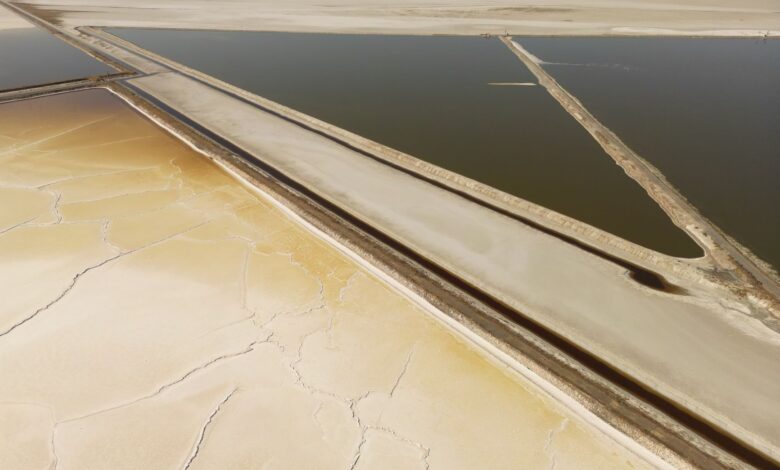
Royalty and streaming agreements have long been a fixture in gold and silver mining, but a growing number of family offices are now applying that same financial architecture to lithium brine operations – the evaporation-pond projects that supply a significant portion of the world’s battery-grade lithium. The appeal is straightforward: rather than taking equity in a mining company with all its operational exposure, a royalty holder receives a percentage of production or revenue in perpetuity, with none of the capital cost risk that comes after the initial investment.
What makes lithium brine royalties particularly attractive right now is the structure of the underlying assets. Brine deposits in places like the Lithium Triangle – spanning parts of Argentina, Chile, and Bolivia – are measured in decades of productive life, not years. That longevity maps well onto the multigenerational investment horizon that defines how most family offices think about capital. A royalty stream tied to a 40-year brine operation is, in practical terms, an inflation-linked annuity with commodity upside built in.
Why Royalty Structures Work Here
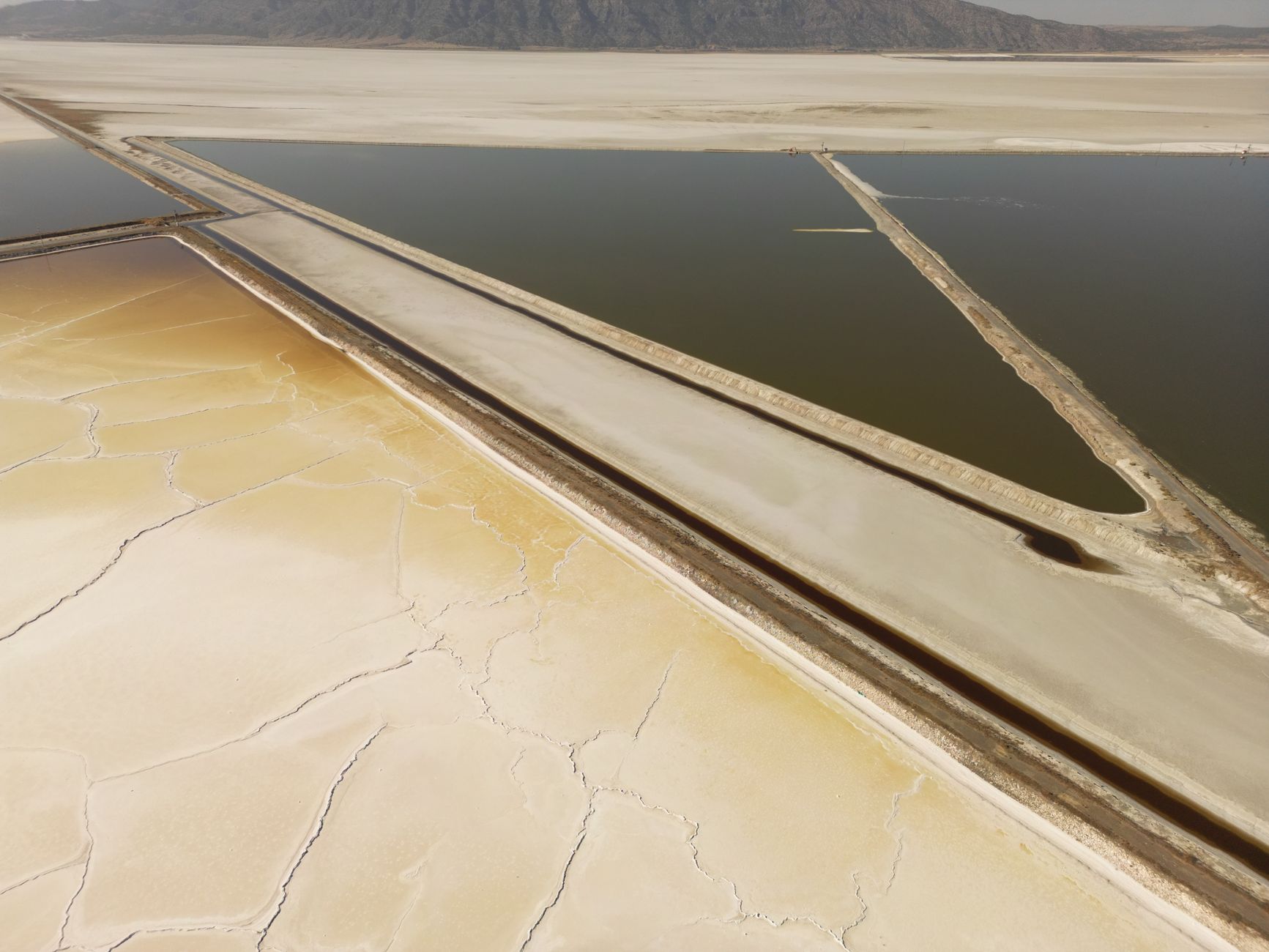
The royalty model works in lithium brine for the same reason it works in any capital-intensive extraction industry: the operator needs upfront cash, and the royalty buyer needs yield without operational entanglement. In lithium’s case, the capital requirements are substantial. Building out evaporation ponds, processing facilities, and water management infrastructure at a major brine salar can cost hundreds of millions of dollars before a single ton of lithium carbonate is shipped. A royalty agreement helps bridge that financing gap without diluting the operator’s equity structure excessively.
Family offices that have already taken positions in nickel laterite streaming agreements will recognize the basic logic here. The royalty buyer provides capital at a moment of project risk, then steps back and collects. The difference with lithium brine is the demand narrative running underneath it: electric vehicle adoption, grid-scale battery storage, and consumer electronics all require lithium chemistry, and brine extraction currently represents the lowest-cost production method in the market.

The Family Office Calculus
Family offices are drawn to these positions for several layered reasons, and not all of them are about return maximization. The first is tax efficiency. Royalty income, depending on jurisdiction and structuring, can receive favorable treatment compared to ordinary investment income. When the royalty is held through a properly structured holding entity in a jurisdiction with relevant treaty arrangements, the after-tax yield can look significantly better than the gross numbers suggest.
The second factor is correlation. Lithium brine royalties do not behave like equities, bonds, or even most real assets during market stress. They are tied to physical production volumes and commodity pricing, both of which have their own distinct drivers. During a period when stock market volatility has made family office principals increasingly skeptical of traditional diversification claims, an asset that genuinely moves on different factors carries real portfolio value – regardless of whether the absolute return is spectacular.
The third calculation is competitive scarcity. The number of lithium brine royalty streams available for purchase at any given moment is small. Major mining royalty companies – the publicly traded ones – have been active acquirers, but they focus on assets above a certain revenue threshold that justifies the transaction cost and reporting overhead. That leaves a band of mid-tier and emerging brine projects where family offices, with their lower overhead and longer patience, can operate without competing against institutional capital at every turn. The deals are quieter, the negotiations are longer, and the relationships required to access them are built over years rather than sourced through a banker’s pitch deck.
There is also a currency dimension worth considering. Many of the most productive brine deposits sit in Latin American jurisdictions where local currency risk is real. Royalty agreements denominated in U.S. dollars or priced against international benchmark lithium carbonate prices effectively export that currency risk back to the operator, who is already dealing with it as part of running the business. The royalty holder collects in hard currency terms regardless of what the Argentine peso or Chilean peso does in any given quarter.
Risks That Don’t Disappear
None of this means lithium brine royalties are without meaningful risk. The most direct threat is a sustained collapse in lithium pricing. The 2023-2024 period demonstrated exactly how quickly lithium carbonate prices can fall when supply additions outpace demand growth – prices dropped from extraordinary highs to levels that stress-tested even efficient brine operators. A royalty tied to revenue rather than production volume amplifies that exposure, since both the per-unit price and potentially the volume drop together during a downturn.
Political risk in the Lithium Triangle is a separate and ongoing concern. Argentina’s regulatory environment has shifted multiple times in recent memory, and Chile’s ongoing discussion about lithium nationalization policy creates genuine uncertainty about the terms under which private operators – and by extension, their royalty counterparties – will be able to function a decade from now. Sophisticated family offices structuring into these positions are spending considerable legal resources on stabilization clauses, arbitration provisions, and offshore holding structures specifically because that risk is real, not theoretical.
The technology risk is slower-moving but worth watching. Direct lithium extraction technology, which skips the evaporation pond process entirely, is advancing. If DLE methods scale commercially, they could change the competitive cost structure of lithium production in ways that reshape which brine assets are worth holding royalties against. A royalty on a conventional salar operation that gets undercut by a DLE competitor nearby is still a royalty – but on a less competitive asset, potentially operated by a less financially healthy counterparty.
What keeps family offices in the conversation despite all of this is the basic math of long-duration, production-linked cash flows at a moment when such instruments are genuinely difficult to find at reasonable entry prices. The royalty on a brine project operating for the next 35 years, with lithium demand structurally supported by the global battery build-out, is not a perfect asset. But in a market where most yield products require either credit risk or duration risk or both, a commodity royalty with a different risk profile is exactly the kind of thing a multigenerational office holds in a drawer and reviews once a year.