
Pension Funds Quietly Accumulate Positions in Freight Pipeline Corridor Easements

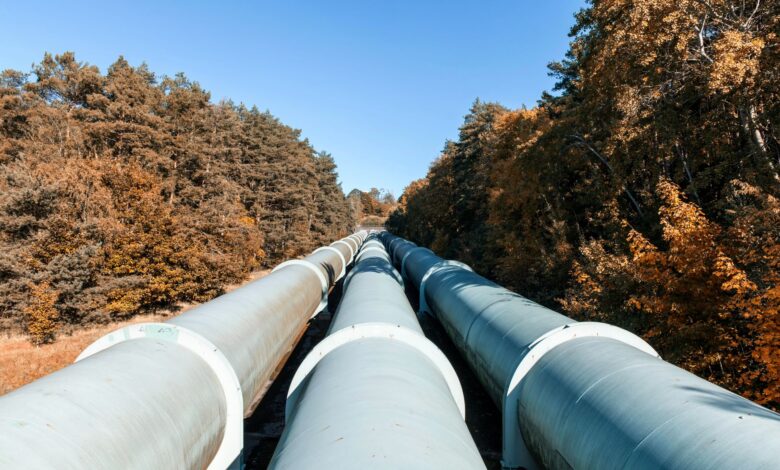
The Quiet Land Grab Beneath America’s Supply Chain
Freight pipeline corridor easements – the legal rights to run underground or surface-level cargo infrastructure across private and public land – have never been glamorous. They don’t trade on exchanges, they don’t generate headlines, and most Americans have no idea they exist. That obscurity is precisely why pension funds have started accumulating them.
Over the past several years, a growing number of large institutional investors, including public employee retirement systems and union pension funds, have been quietly acquiring or gaining exposure to easement rights tied to freight pipeline corridors. The strategy is slow, paperwork-heavy, and deeply unsexy. It is also, for patient capital with 30-year liability horizons, close to ideal.
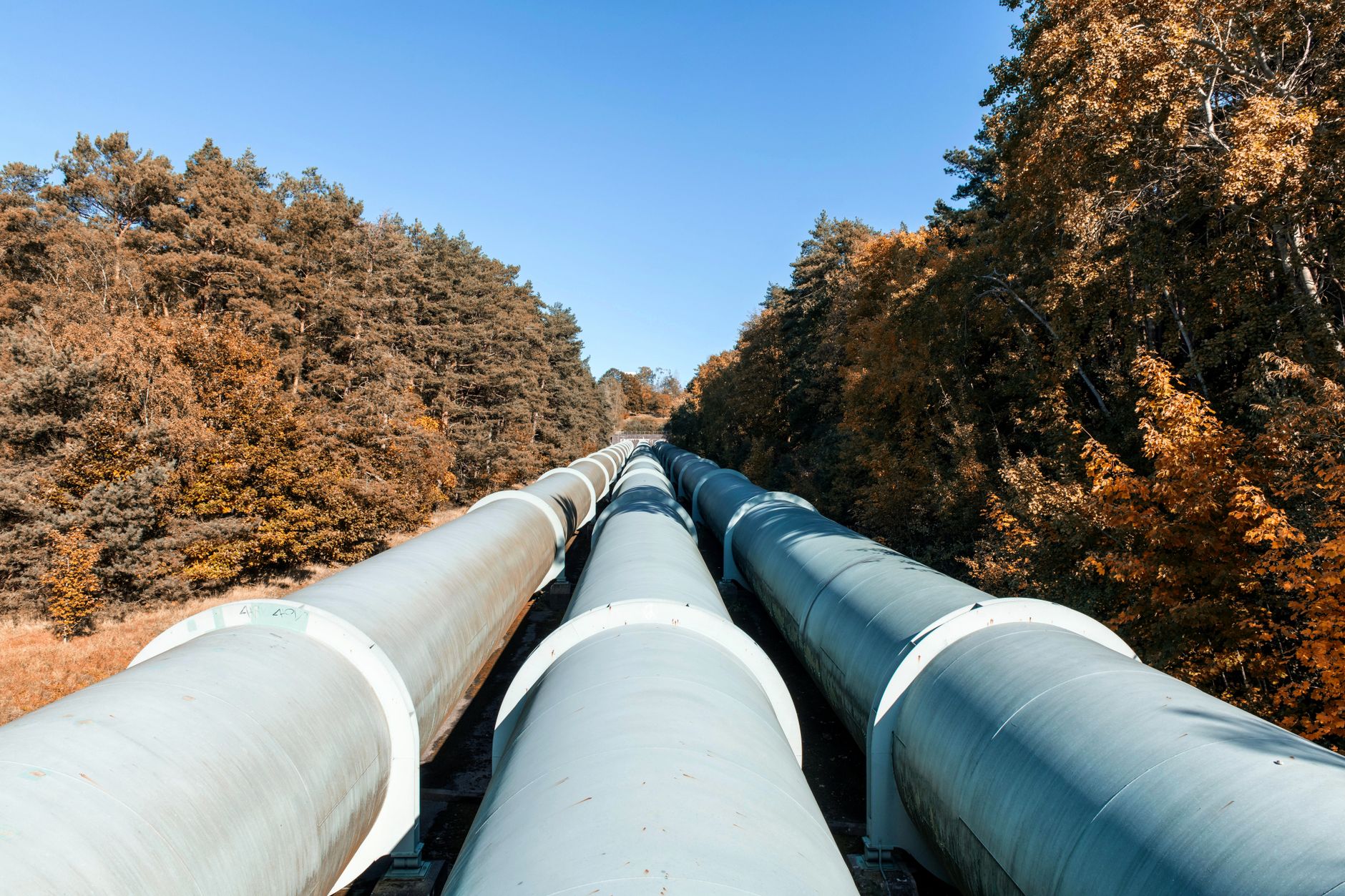
What a Freight Pipeline Easement Actually Is
An easement is not ownership of land – it is the right to use a defined strip of it for a specific purpose. In the case of freight pipelines, that purpose might be conveying bulk liquids, compressed gases, agricultural commodities, or even slurried solids across long distances. The corridor itself – often running hundreds of miles across multiple property owners and jurisdictions – is legally stitched together through individual easement agreements, each one negotiated separately and recorded against the underlying parcel.
What makes these easements financially interesting is their structural permanence. Once a corridor is established and operating, the switching costs for the operator are enormous. Rerouting even a short section requires new environmental reviews, new landowner negotiations, new permitting, and new construction. That friction creates something rare in infrastructure investing: genuine geographic lock-in that doesn’t depend on regulatory protection or political goodwill to remain durable.
The cash flow from easement ownership or participation typically comes through ground rents, throughput fees, or revenue-sharing arrangements with the pipeline operator. These payments are usually indexed to inflation or tied to commodity volumes, and they carry relatively low correlation to equity markets. For a pension fund managing against a defined benefit obligation, that combination – inflation sensitivity, long duration, low correlation – checks several boxes at once.
Why This Moment, Why This Asset
Infrastructure as an asset class has attracted institutional capital for decades, but most of that capital flowed toward the obvious targets: airports, toll roads, water utilities, and regulated energy transmission. Easement corridors sat further down the complexity curve, requiring specialized legal due diligence and a tolerance for illiquidity that many allocators couldn’t justify to their boards. The infrastructure boom that followed the 2021 federal legislation changed the calculus by signaling long-term federal commitment to domestic freight movement, which raised the expected useful life of existing corridors and made new corridor development more financially viable.
Pension funds have also grown more comfortable with real asset complexity as their private markets teams have matured. Funds that spent the 2010s building out private equity and real estate programs now have the internal capacity to underwrite something as granular as easement documentation across a 400-mile corridor. That institutional readiness, combined with higher interest rates making traditional fixed-income alternatives more competitive, has pushed allocators toward assets that can deliver real – inflation-adjusted – returns without depending on multiple expansion or debt-fueled growth.

The Investment Case, Examined Closely
The core argument for freight pipeline corridor easements rests on scarcity. The United States has an extensive existing network of pipeline infrastructure, but building new corridors through populated or environmentally sensitive areas has become substantially harder over the past two decades. Permitting timelines have lengthened, opposition from adjacent landowners has grown more organized, and environmental litigation has become a standard feature of major infrastructure projects. That friction doesn’t eliminate new development, but it does make existing, permitted, operating corridors significantly more defensible as assets.
The inflation-hedging characteristics deserve specific attention. Ground rent agreements tied to established freight corridors are frequently structured with annual escalators linked to CPI or to commodity price indices. When freight volumes rise – as they tend to during periods of economic expansion – throughput-linked payments rise with them. When inflation runs hot, CPI escalators do their job. The asset doesn’t perform perfectly in every environment, but it rarely performs terribly in any of them, which is a different risk profile than most liquid alternatives.
There are real risks that pension allocators are working through. Easement rights can be challenged legally, particularly when underlying land changes ownership or when the original agreements contain ambiguous language about permitted uses. A corridor built for liquid petroleum products may face contractual hurdles if the operator wants to repurpose it for hydrogen or ammonia transport – two fuels receiving serious attention as energy transition candidates. Funds acquiring easement exposure today are effectively betting that freight infrastructure broadly, not just the current commodity mix, will remain economically relevant across their investment horizon. That’s a reasonable bet, but it’s not a certainty.
Liquidity is the other persistent concern. Easement interests don’t have a ready secondary market. If a pension fund needs to exit a position – because of a liquidity crunch, a change in investment policy, or a shift in liability profile – finding a buyer willing to do the legal work of transferring easement interests is a months-long process at minimum. Funds entering this space are doing so with the explicit understanding that the capital is committed for the long term. Given that some public pension funds carry liability durations stretching past 2050, that constraint is less binding than it sounds, but it still limits which funds can participate. This pattern of institutional investors building exposure to less-traded corridor and throughput assets is visible elsewhere too – pension funds have similarly been accumulating positions in crude oil terminal throughput agreements, applying the same long-duration logic to a different segment of physical infrastructure.

The funds moving earliest into freight corridor easements are largely those with the longest liability tails and the most developed real assets programs – certain state teachers’ retirement systems, a handful of large union funds covering construction and transportation workers, and some Canadian pension plans that have historically been more aggressive in direct infrastructure investment than their American counterparts. Their entry into this corner of the market is unlikely to remain quiet for long. When early movers in a niche asset class begin generating track records, the capital that follows tends to arrive faster and in larger volumes than the original pioneers expected.