Pension Funds Quietly Accumulate Positions in LNG Regasification Terminal Leases

The Quiet Reallocation Happening in Pension Portfolios
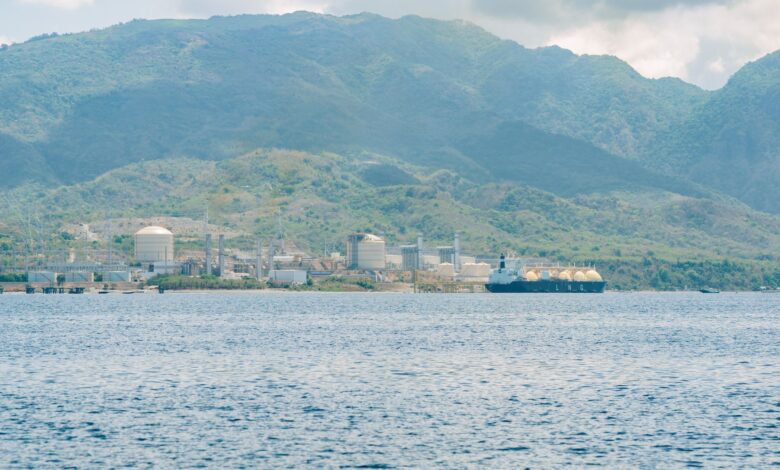
Pension funds managing retirement assets for teachers, municipal workers, and state employees are moving into a corner of the energy market that rarely makes headlines: long-term lease agreements on liquefied natural gas regasification terminals. These facilities – the onshore and floating infrastructure that converts imported LNG back into pipeline-ready gas – generate steady, contracted cash flows over decades. That profile fits exactly what pension managers are hunting for when equity markets look stretched and bond yields remain unpredictable.
The positioning has been gradual and largely below the radar. Unlike a headline acquisition of a pipeline company or a public utility, terminal lease stakes are transacted through private placement, infrastructure funds, and bilateral agreements with terminal operators. The paperwork rarely surfaces in public filings until well after the deal closes, which is part of why this trend has attracted so little mainstream financial coverage even as the capital flows have grown meaningfully over the past several years.
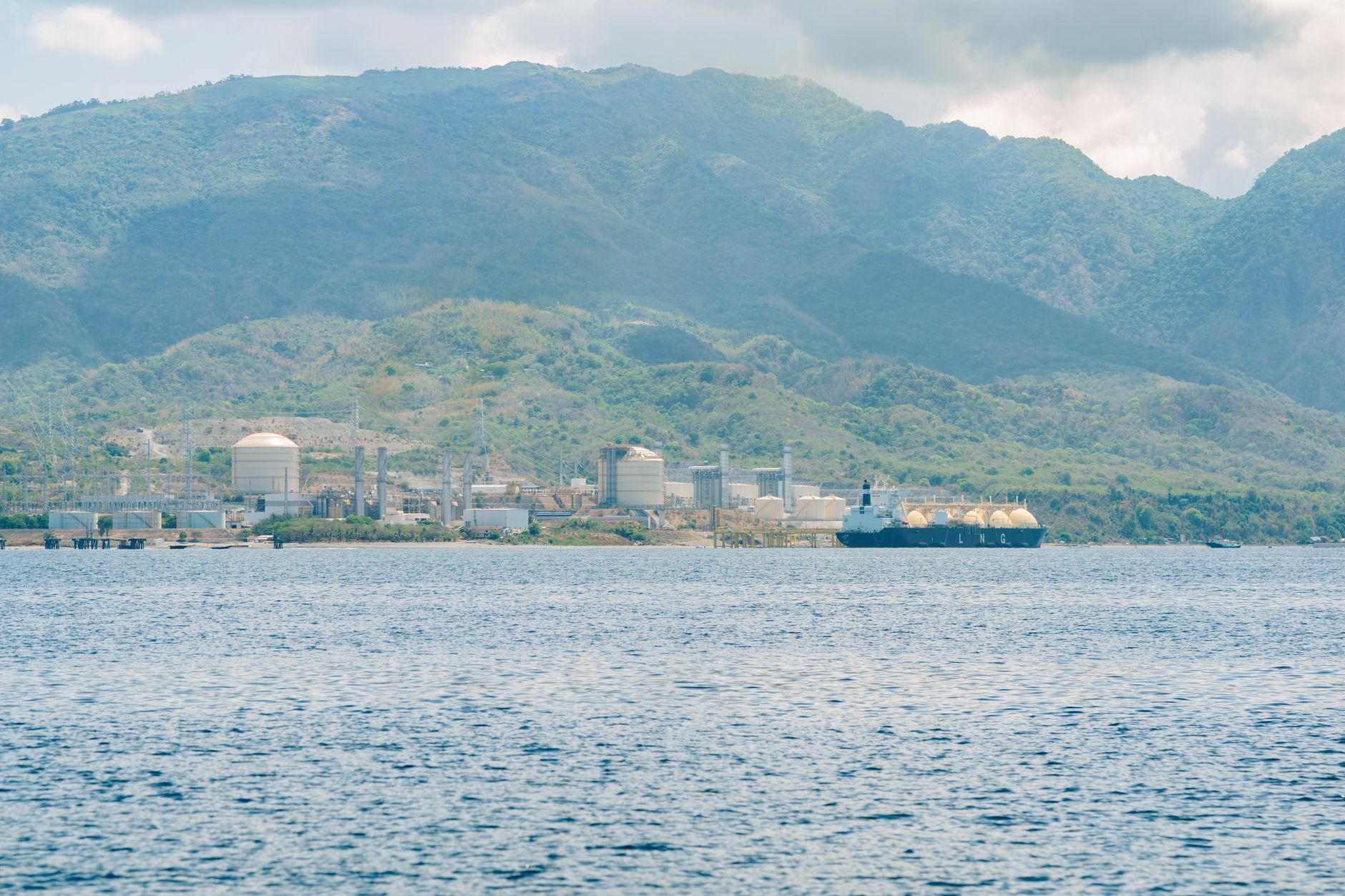
Why Regasification Infrastructure Attracts Long-Duration Capital
The fundamental appeal of regasification terminal leases comes down to contract structure. A terminal lease – particularly a capacity reservation agreement – obligates the lessee to pay a fixed monthly or annual fee regardless of how much gas actually flows through the facility. That “take-or-pay” architecture means the revenue stream is decoupled from commodity price volatility. The pension fund collecting lease income does not care whether the spot price of natural gas is $2 per MMBtu or $12. The check arrives either way.
This matters because pension liabilities are priced in nominal dollars stretching 20 to 40 years into the future. Matching those liabilities requires assets that generate predictable, long-dated cash flows – precisely what a 20-year regasification lease delivers. Terminal agreements in Europe, particularly following the energy supply disruptions of 2022 and 2023, now routinely run for 15 to 25 years as governments and utilities locked in capacity to reduce dependence on pipeline gas. Those contracts, once signed, are essentially annuity-like instruments dressed in industrial clothing.
It is also worth understanding the capital structure of these deals. Pension funds rarely take outright ownership of a terminal. More commonly, they acquire a leasehold interest – the right to collect lease income – which sits senior to equity in the event of operator distress. That structural protection reduces downside risk while still delivering returns meaningfully above investment-grade bonds. For funds constrained by mandate to avoid speculative positions, this seniority is not a minor detail. It is the reason the investment clears the committee in the first place.

Geography and the European Demand Surge
European terminal capacity has become the most active market for this type of institutional positioning. Germany, which had virtually no floating storage and regasification unit (FSRU) capacity before 2022, rapidly contracted for multiple floating terminals along its northern coast. The long-term lease agreements underpinning those facilities have since attracted secondary market interest from infrastructure investors, including pension-linked vehicles based in the Netherlands, Canada, and Scandinavia – countries whose pension systems have deep experience allocating to physical infrastructure.
Across the Atlantic, U.S. Gulf Coast export terminals have created mirror-image opportunities on the supply side, but pension interest in regasification specifically has tracked the import-market more closely. Terminals in Southern Europe – Spain, Italy, and Greece – have become attractive targets because those countries maintain diversified import portfolios and face sustained LNG demand growth as industrial sectors electrify unevenly and gas remains a bridge fuel in the medium term.
How the Deals Are Actually Structured
Most pension funds do not negotiate directly with terminal operators. The typical path runs through an infrastructure fund – often managed by a firm specializing in energy or real assets – that pools capital from multiple institutional investors and acquires a portfolio of terminal leases or capacity rights. The pension fund becomes a limited partner, gaining exposure to lease income distributed quarterly, with the fund manager handling counterparty negotiations, regulatory compliance, and asset monitoring. Management fees reduce net yield, but the arrangement lets funds access deals they lack the in-house expertise to source independently.
A growing number of larger pension systems – those managing assets above roughly $50 billion – are building direct infrastructure teams capable of co-investing alongside fund managers or, in some cases, leading deals outright. Canadian pension funds, which have pioneered direct infrastructure investing over the past two decades, offer the clearest template. Their approach treats infrastructure as a separate asset class with dedicated allocation targets, specialized due diligence staff, and direct relationships with asset operators. Several European and Australian peers have followed this model, and some U.S. state pension systems are beginning to staff up similarly.
The lease income from regasification terminals also carries an inflation sensitivity that makes it more attractive than a plain fixed-rate bond. Many terminal agreements include periodic tariff resets tied to operating cost indices, which provides partial inflation pass-through. In an environment where pension actuaries are stress-testing for higher long-run inflation, that built-in adjustment mechanism adds a layer of protection that straightforward fixed income lacks. The adjustment is not unlimited – tariff structures are negotiated, not automatic – but even partial inflation linkage improves the asset’s liability-matching quality.
The counterparty risk in these arrangements deserves honest scrutiny. Terminal lease income is only as reliable as the entity obligated to pay it. If a major utility or national gas company signs a 20-year capacity reservation agreement, the pension fund’s risk is effectively the creditworthiness of that counterparty over two decades. When the counterparties are investment-grade European utilities or state-backed energy companies, the risk profile looks manageable. When terminal operators in emerging markets are involved – a growing segment as LNG demand grows in South and Southeast Asia – the credit analysis becomes considerably more complex, and the capital protections that make European deals attractive may not translate cleanly. Pension funds building exposure in those markets are accepting a risk-reward trade-off that some of their peers would decline. That divergence in appetite, more than anything else, will determine which funds benefit most from this asset class as global LNG trade continues to expand.
The pension funds moving earliest and most deliberately into regasification lease positions have generally had one advantage: existing infrastructure teams built for toll-road, port, or pipeline investments who could apply familiar analytical frameworks to terminal leases without starting from scratch. For funds without that foundation, the entry cost – in staffing, legal expertise, and deal sourcing relationships – remains a real barrier, and the window to build positions in the most creditworthy European terminals may not stay open indefinitely as more capital chases a finite stock of prime assets.