
The Quiet Land Play Behind the Energy Transition
Solar easement streams – the contractual rights that allow energy developers to use private land for solar installations over decades – have started appearing in pension fund portfolios in a way that would have seemed unusual five years ago. These are not equity positions in solar companies, and they are not green bonds. They are something more granular: long-duration income rights tied to the physical ground beneath solar panels, structured as legal easements that run with the land and pay out over 20 to 40 year terms.
The appeal is structural. Pension funds carry obligations that stretch decades into the future, and matching those liabilities requires assets that generate reliable income over comparable time horizons. Solar easement streams, once bundled and securitized, behave more like ground leases than like energy investments – they collect periodic payments regardless of how much electricity the panels produce, because the landowner’s right to payment is rooted in access, not output. For a fund manager trying to match a 30-year liability with something that isn’t a Treasury bond, that distinction matters considerably.
How Solar Easements Actually Work
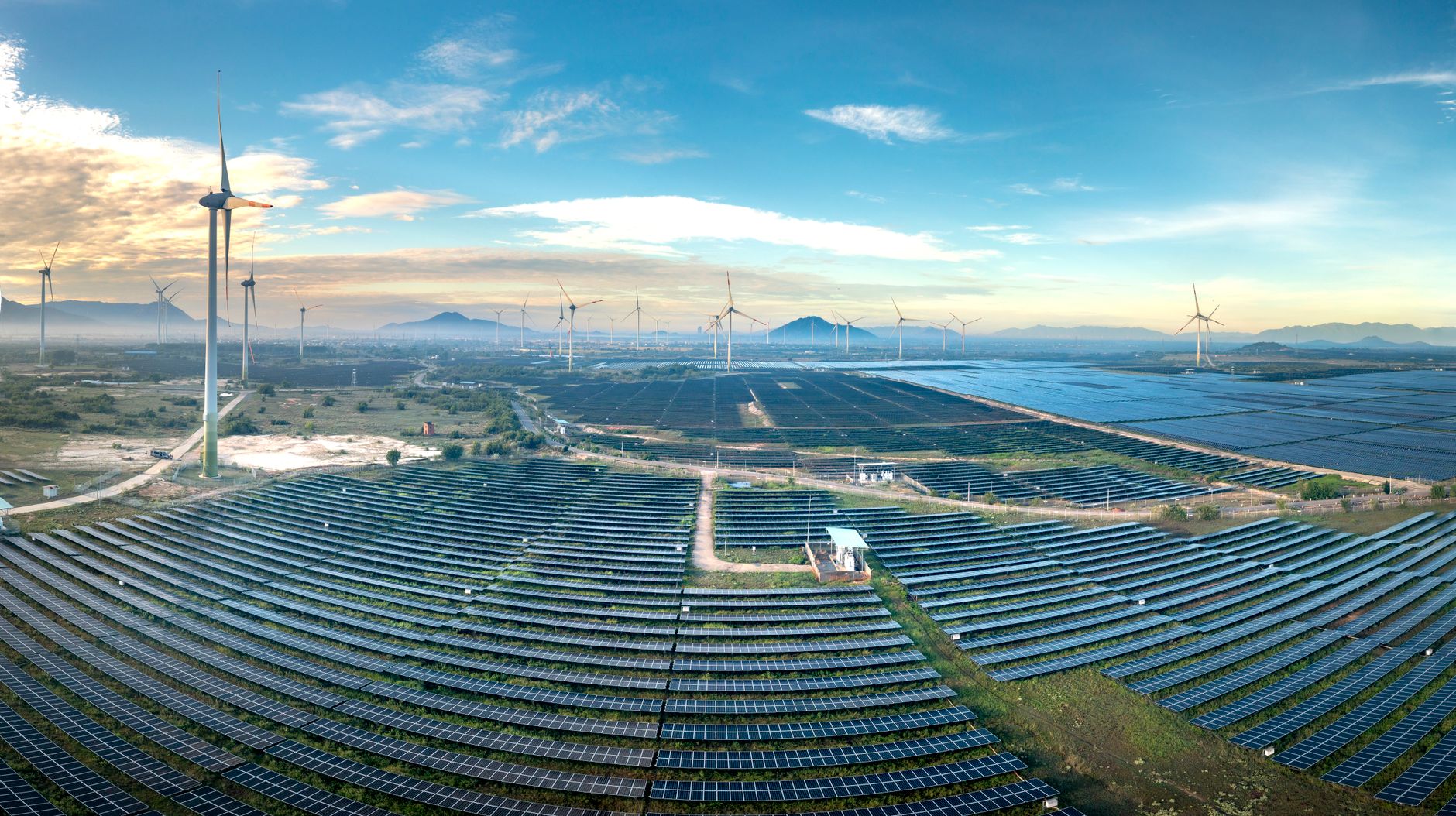
A solar easement is a legal agreement, typically recorded at the county level, granting a developer the right to place and maintain solar infrastructure on a parcel of land for a fixed period. The landowner – often a farmer, a rural municipality, or a private landowner with acreage unsuitable for intensive agriculture – receives scheduled payments in exchange. These payments are structured like rent but carry the legal weight of a property right, which makes them much harder to void than a simple lease agreement. When a developer sells the project or refinances, the easement transfers with it, and the income stream follows.
What changed in recent years is that aggregators began pooling hundreds of these individual easement rights across multiple states, standardizing the payment structures, and presenting them to institutional buyers as packaged income vehicles. The mechanics resemble mortgage-backed securities in their architecture – many small contracts bundled into a single investment-grade instrument – but the underlying collateral is access to land rather than residential debt. That distinction has made them easier to fit within mandates that restrict or complicate exposure to financial derivatives.
Why Pension Funds Are Moving Now
The timing reflects a convergence of pressures rather than a single catalyst. Fixed income yields, while higher than they were several years ago, still leave pension funds with a gap between what they earn on conventional bonds and what they need to meet actuarial projections. Alternative income sources that can plausibly hold value over multi-decade periods have become worth examining closely, and solar easement streams check several boxes at once.
There is also a regulatory dimension driving interest. Several state pension systems have adopted climate-related investment mandates or exclusion lists that limit their exposure to fossil fuel infrastructure. Solar easements sit cleanly outside those concerns – they are neither equity in an energy company nor debt tied to hydrocarbon extraction. For funds navigating those mandates without sacrificing yield, easements offer a path that avoids political friction.
The inflation-linkage built into many easement contracts adds another layer of appeal. A growing share of newly structured solar easements include escalation clauses that tie periodic payment increases to CPI or a fixed annual percentage. For a fund trying to protect the real value of its income over a 30-year term, that feature replicates something normally found only in TIPS or inflation-linked annuities – assets that are either too expensive or too limited in supply to fully satisfy institutional demand.
Liquidity remains the honest caveat. Solar easement streams, even when securitized, do not trade with the frequency or price transparency of public market instruments. A fund acquiring a position is largely committing to hold it, which creates risk if capital needs change or if the underlying projects encounter legal or operational problems. Some fund managers have structured their exposure through closed-end vehicles with defined wind-down periods to manage this, but the fundamental illiquidity is a feature of the asset class, not an anomaly.

The Infrastructure Argument
Pension allocators increasingly categorize solar easement streams under infrastructure rather than real assets or alternatives, and that framing carries real weight. Infrastructure allocations have grown across the institutional landscape because the asset class offers long contractual terms, regulated or quasi-regulated revenue, and low correlation to public equity markets. Solar easements, viewed from that angle, fit the infrastructure bucket better than they fit fixed income or real estate, even though they share characteristics with both.
This parallels the broader institutional interest in energy-related land rights. Funds that have built exposure to compressed air storage leases have followed a similar logic – the underlying asset is physical land access, the duration is long, and the income arrives regardless of daily market conditions. Solar easements are arguably more abundant and more standardized than storage leases at this stage, which makes them easier to underwrite at scale.
Geographic Concentration and Credit Risk
The geographic distribution of solar easement pools varies considerably, and concentration risk is a live concern for underwriters. Projects clustered in a single regulatory jurisdiction face the possibility that a change in state net metering rules or zoning policy could affect the economics of the underlying installations – and while the easement payment itself is usually independent of project revenue, a distressed developer may challenge payment obligations or seek to renegotiate. Well-structured pools spread exposure across multiple states, ideally spanning different regulatory regimes and climate conditions.
Credit quality of the counterparty – typically the solar developer or a special-purpose vehicle they create – is the other variable that due diligence processes focus on heavily. An easement is only as reliable as the entity obligated to make payments, and the solar development industry includes a wide range of operators, from large utilities and publicly traded independents to small regional developers with thin balance sheets. Institutional buyers have generally pushed for structures where payment obligations are backstopped by a creditworthy parent entity or wrapped by a third-party guarantor, which adds a layer of protection but also reduces the yield.
The most aggressive buyers in this space have been public pension funds in states with direct policy alignment to solar buildout – places where the regulatory environment actively supports large-scale solar development and where local officials are unlikely to create legal friction for easement-backed projects. That concentration of institutional capital in certain geographies raises its own question: as pension money floods into solar easement pools in the most favorable markets, the pricing in those markets tightens, pushing buyers either toward lower yields or toward less familiar jurisdictions where the underwriting is harder and the regulatory picture is murkier.

What the Pricing Signals Say
Yields on pooled solar easement instruments have compressed noticeably as institutional interest has grown. Early buyers in this space, largely family offices and smaller endowments willing to accept illiquidity without the governance processes that slow pension fund decisions, were able to negotiate terms that current entrants cannot match. The spread over comparable-duration Treasury securities has narrowed as more capital has chased a limited supply of well-structured deals.
That compression is itself a signal. When a niche alternative income asset starts pricing closer to investment-grade infrastructure debt, it suggests that institutional capital has decided the risk profile is more understood and more acceptable than it once appeared. Whether that consensus is correct – or whether it reflects a market that has gotten comfortable without having been tested by a genuine stress event – is the question that will only get answered when a large solar project fails, a developer defaults, or a state changes its easement enforcement framework in ways nobody anticipated.
For now, the transactions keep closing, the pools keep growing, and pension fund quarterly reports continue to list solar easement exposure under line items that most beneficiaries will never read closely enough to notice.
Frequently Asked Questions
What is a solar easement stream?
A solar easement stream is a scheduled income right tied to a legal agreement granting a developer access to land for solar infrastructure, typically running 20 to 40 years and paying regardless of energy production.
Why are pension funds interested in solar easements?
Solar easements offer long contractual durations, inflation-linked escalation clauses, and low correlation to public markets – features that help pension funds match long-term liabilities without relying solely on bonds.