

The Quiet Accumulation
Sovereign wealth funds are moving into a niche corner of maritime infrastructure that most institutional investors have barely heard of: LNG bunkering berth leases. The positions are small relative to total portfolio size, but the strategy is deliberate, and the pace of accumulation is picking up.
Why LNG Bunkering Infrastructure Attracts Long-Term Capital
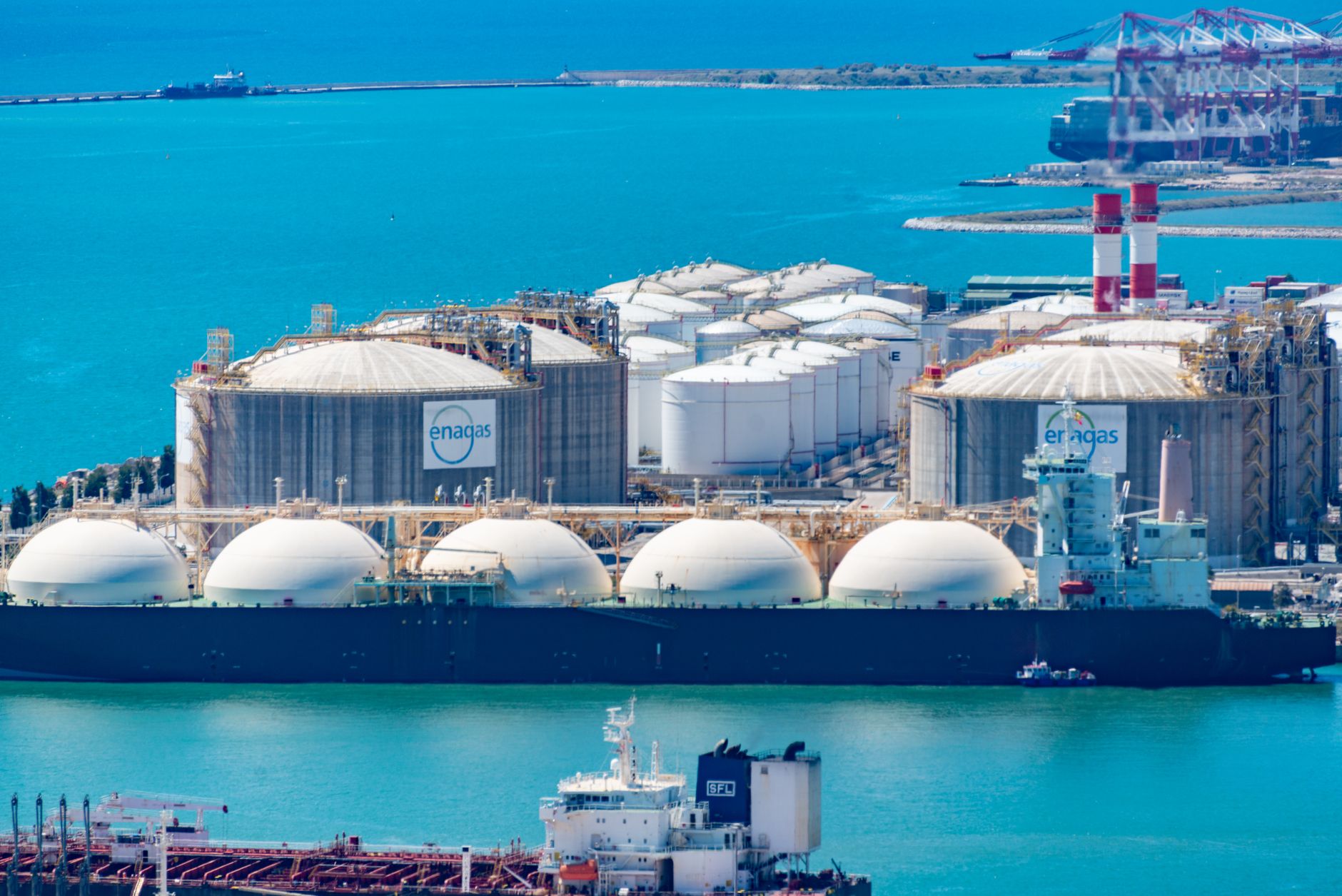
LNG bunkering – the process of refueling ships with liquefied natural gas at designated port berths – sits at the intersection of two converging forces: tightening global emissions regulations on marine shipping, and the slow but steady repricing of fossil fuel infrastructure as the energy transition stretches further into the future than originally projected. The International Maritime Organization’s sulfur cap rules, which took effect in 2020, pushed shipping companies to begin switching from heavy fuel oil to cleaner alternatives. LNG has emerged as the most commercially viable bridge fuel for large vessels, which means the berths where that fueling happens carry real, durable value.
A long-term lease on a bunkering berth at a major port is not a commodity trade. It is a real asset with contractual cash flows, often structured with inflation-linked escalators, and backstopped by the fact that you cannot simply move a port. The geographic scarcity of permitted, deep-water bunkering locations – particularly in the Singapore Strait, the Port of Rotterdam, and key Gulf Coast hubs – gives existing leaseholders something close to a toll-road dynamic. Ships need fuel, LNG infrastructure takes years and substantial capital to permit and build, and whoever holds the berth lease collects rent on that bottleneck.
Sovereign wealth funds, by their nature, think in 20- to 30-year horizons. That duration alignment with long-dated infrastructure leases is not accidental. A bunkering berth lease structured over 25 years with a creditworthy shipping line as the anchor tenant looks, from a portfolio construction standpoint, like a slightly illiquid bond with real asset backing and inflation protection built in. For funds managing petrodollar surpluses or pension-adjacent national reserves, that profile fits neatly into the infrastructure sleeve that most large sovereign funds have been expanding for years.
The strategy also benefits from regulatory tailwinds that are unlikely to reverse. The IMO has signaled further tightening of carbon intensity regulations through its 2030 and 2050 targets. Shipping companies that have already ordered LNG-capable vessels – a multi-billion dollar commitment – are locked into needing LNG bunkering access for the operating life of those ships, which runs 20 to 25 years. That creates a captive demand base that sovereign fund analysts find straightforward to model.
How the Positions Are Being Structured
Direct lease ownership by a sovereign fund is rare. The more common structure involves a fund taking a significant minority or majority stake in a terminal operating company or a special purpose vehicle that holds the lease. This keeps the fund one step removed from day-to-day port operations – which require specialized expertise and local regulatory relationships – while preserving the economic exposure to the underlying lease cash flows. In several documented cases across the Gulf region and Southeast Asia, sovereign vehicles have acquired stakes in LNG terminal operators as part of broader energy infrastructure deals, with the bunkering berth lease representing a specific and separately valued asset within that structure.
The pricing dynamics favor buyers who can move quietly and hold for long periods. Bunkering berth leases do not trade on any exchange. They change hands through private negotiation, often when a terminal operator needs liquidity, restructures, or decides its core competency is operations rather than capital ownership. Sovereign funds, with permanent capital and no redemption pressure, are natural counterparties in those conversations. They can close without needing to syndicate the deal and without the quarterly performance pressure that would make a hedge fund or private equity firm reluctant to sit on an illiquid position through a soft patch.
Valuation is the part of this market that makes conventional asset managers nervous. There is no comparable transaction database. A bunkering berth lease in Singapore is not like a commercial property with cap rate comps available on Bloomberg. The value depends on port traffic projections, contracted versus spot pricing splits, the creditworthiness of the offtake parties, and the specific terms of the ground lease with the port authority. Sovereign funds with in-house infrastructure teams – or relationships with specialist maritime advisors – have a real information edge over generalist investors trying to underwrite these assets from a distance.
This information asymmetry is part of why the accumulation has stayed quiet. There is no requirement to publicly disclose a minority stake in a foreign terminal operating company in most jurisdictions, and sovereign funds have little incentive to publicize positions that depend partly on scarcity value. Wider awareness of the strategy would attract more capital, compress the yields, and undermine the pricing advantage that first-movers currently enjoy. The funds that have moved early have every reason to keep moving early and keep talking about it as little as possible. Similar dynamics have played out in pension fund accumulation of geothermal surface leases, where long-duration real asset positions built quietly before the broader market noticed the opportunity.
There is also a geopolitical dimension that makes this category interesting to sovereign funds specifically. A country whose wealth fund holds bunkering berth leases at key maritime chokepoints has soft influence over shipping logistics that goes beyond pure financial return. This is not a theoretical concern – port infrastructure has been a vector for strategic positioning by state-backed capital for well over a decade, and LNG bunkering sits at a particularly sensitive node given the fuel’s role in both commercial shipping and naval logistics.
Risks That Don’t Show Up in the Prospectus
The case against this strategy is not weak. The central risk is technology substitution: if ammonia or methanol bunkering scales faster than current projections suggest, LNG bunkering infrastructure could face stranded asset pressure well before a 25-year lease expires. Several major shipping companies have already ordered methanol-capable vessels, and the pace of ammonia bunkering trials has accelerated at ports in Norway and Japan. A sovereign fund that locked into a 25-year LNG bunkering lease in 2024 is making an implicit bet that LNG remains the dominant marine fuel through at least the late 2030s. That is a reasonable bet, but it is a bet.
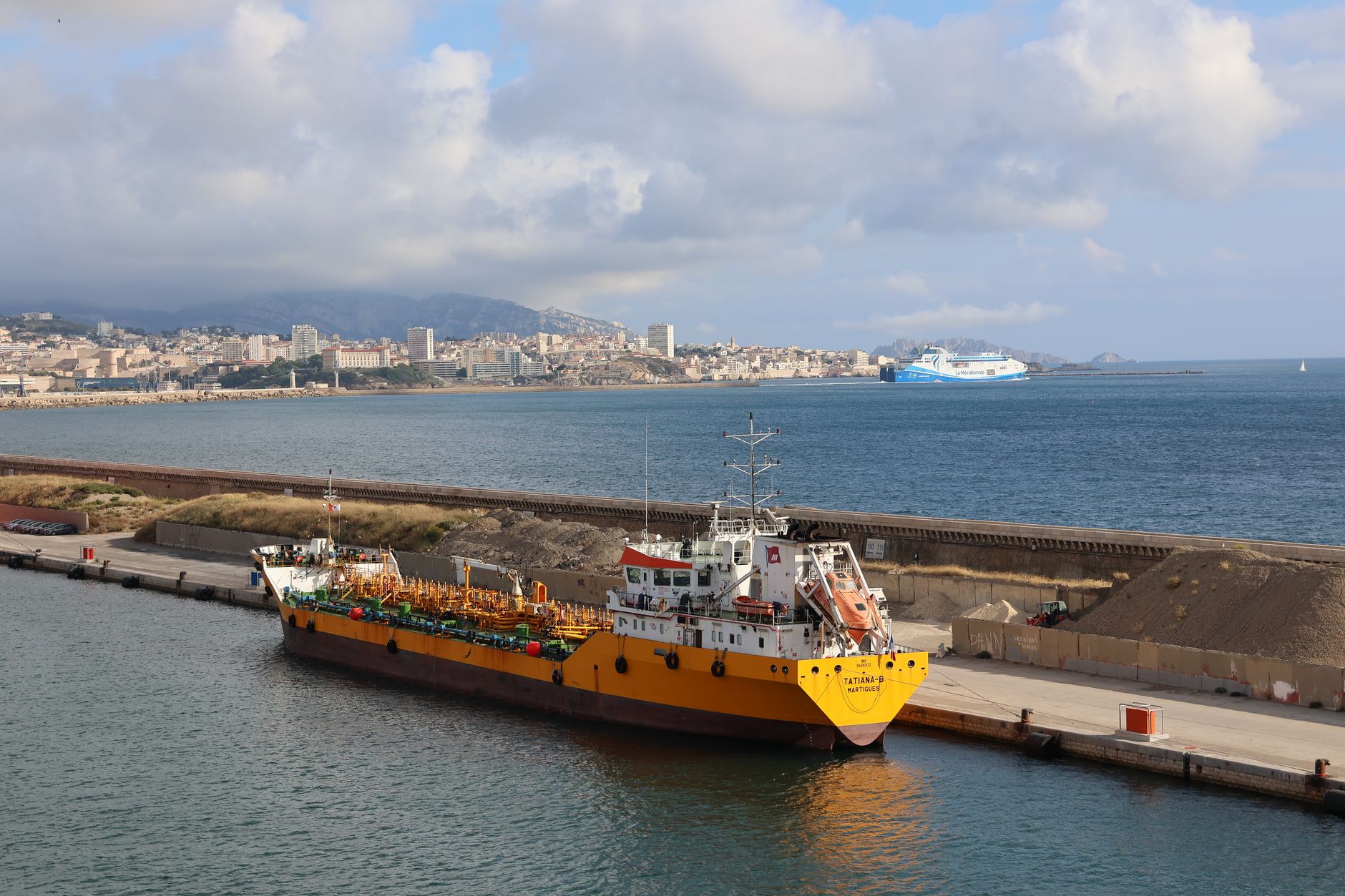
There is also the question of port authority relationships. Bunkering berth leases exist within a web of regulatory permissions, environmental compliance requirements, and port master plan decisions that can shift with changes in local government. A fund holding a lease through a special purpose vehicle in a jurisdiction with evolving regulatory posture faces risks that do not appear in the original cash flow model. The return on a bunkering berth lease is ultimately only as stable as the political and regulatory environment of the port city it sits in – and that is a variable that no infrastructure model fully captures.