
The Quiet Infrastructure Bet on Water Rights
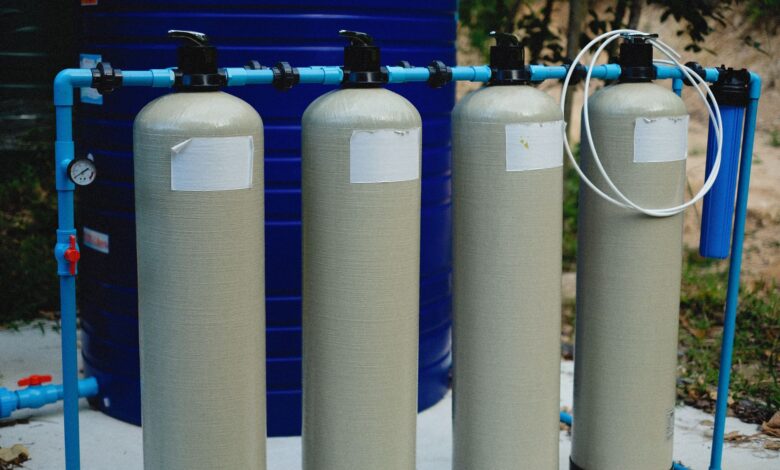
Wastewater reuse easements are not the kind of asset that shows up in headlines or earns a spot on a conference panel. They are legal agreements that grant the right to treat, transport, and reuse municipal or industrial wastewater across specific parcels of land – and for years, they sat largely outside the view of institutional capital. That is changing. A growing number of large pension funds are acquiring positions in these easements, often through infrastructure vehicles or water-focused private equity structures, treating them as long-duration assets with characteristics similar to utility contracts.
The appeal is structural rather than speculative. Water scarcity is not a future risk in many parts of the American West, the Middle East, and southern Europe – it is a current operational reality for agriculture, municipalities, and industry alike. Wastewater reuse offers a partial solution by turning treated effluent into a secondary water supply. The easements that govern where and how that water flows carry real economic value, and pension funds – always in search of inflation-linked, long-horizon returns – are noticing.
How These Easements Actually Work
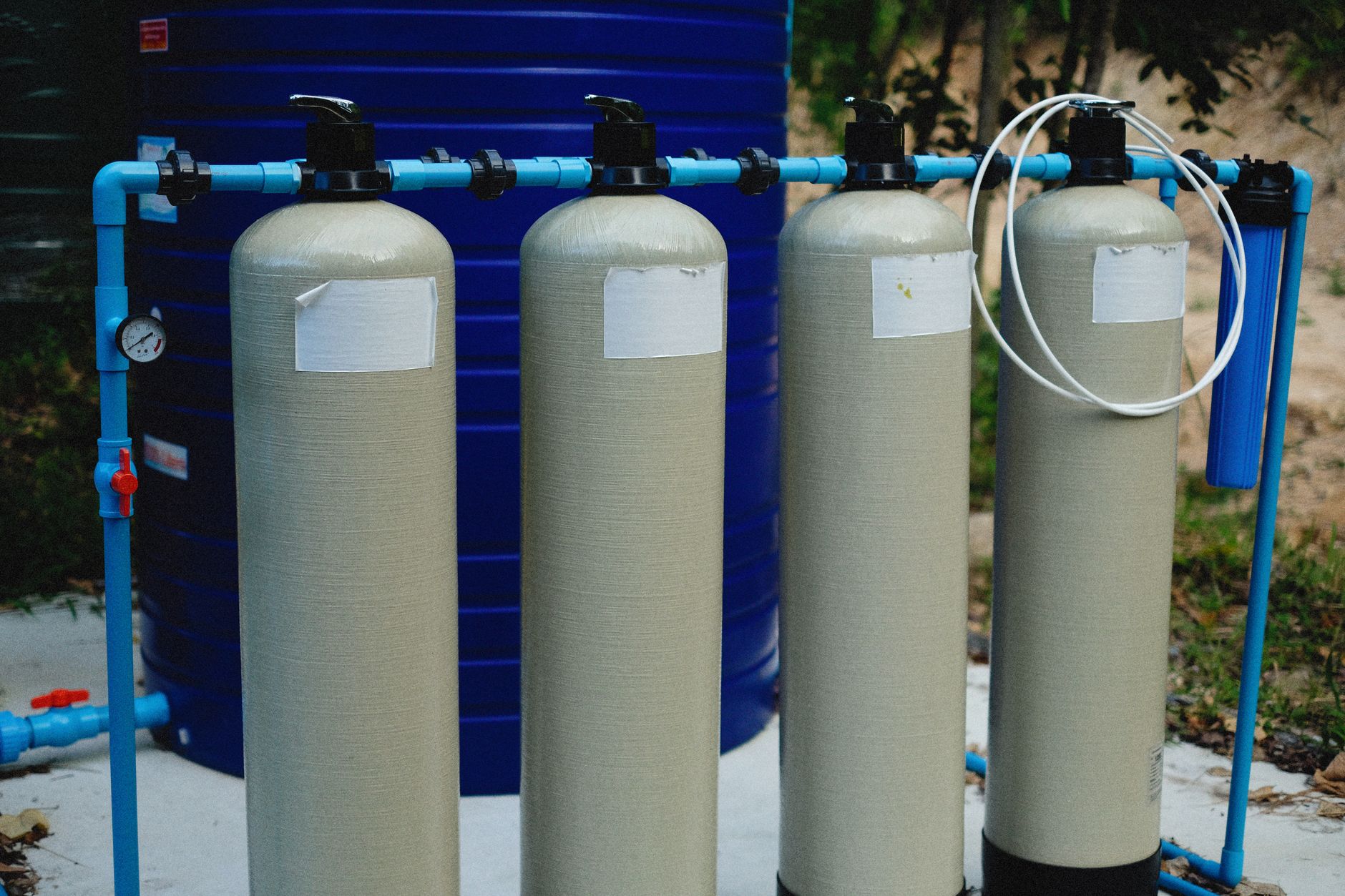
A wastewater reuse easement typically grants a utility, private operator, or water authority the legal right to convey reclaimed water across privately or publicly held land for a defined period – often 30 to 99 years. In exchange, the landowner receives either a one-time payment, an annual fee, or both. The easement may also include provisions around treatment quality standards, flow volumes, and infrastructure maintenance. Unlike a simple land lease, the easement runs with the property title, which makes it durable and difficult to extinguish through standard property transactions.
For pension funds, that durability matters enormously. A 99-year easement tied to a regional water recycling facility behaves more like a bond than an equity position – it produces predictable income, it is collateralized by a real asset, and it is not particularly sensitive to short-term market movements. Many of these agreements also include escalation clauses tied to water pricing indices or regional consumer price indices, providing a natural hedge against inflation. That combination of features is exactly what liability-driven pension investors are looking for as they balance long-dated obligations against uncertain return environments.
The infrastructure itself that these easements support is also increasingly eligible for public funding. Water reuse projects have received significant attention from federal programs under recent infrastructure legislation, which de-risks the underlying operations and makes the private capital sitting in adjacent easement positions more secure. A pension fund holding an easement over a pipeline corridor serving a federally backed recycled water project is, in practical terms, holding something close to quasi-sovereign collateral.
Why Pension Capital Is Moving In Now
Water scarcity has been a known issue for decades, but the investment case for wastewater reuse infrastructure specifically took time to mature. Early projects were small, fragmented, and dependent on municipal budgets that rarely prioritized long-term capital structuring. The market for easements was illiquid and opaque, with no standardized valuation methodology and limited secondary trading. Pension funds, which require liquidity pathways and institutional-grade due diligence frameworks, had little reason to engage.
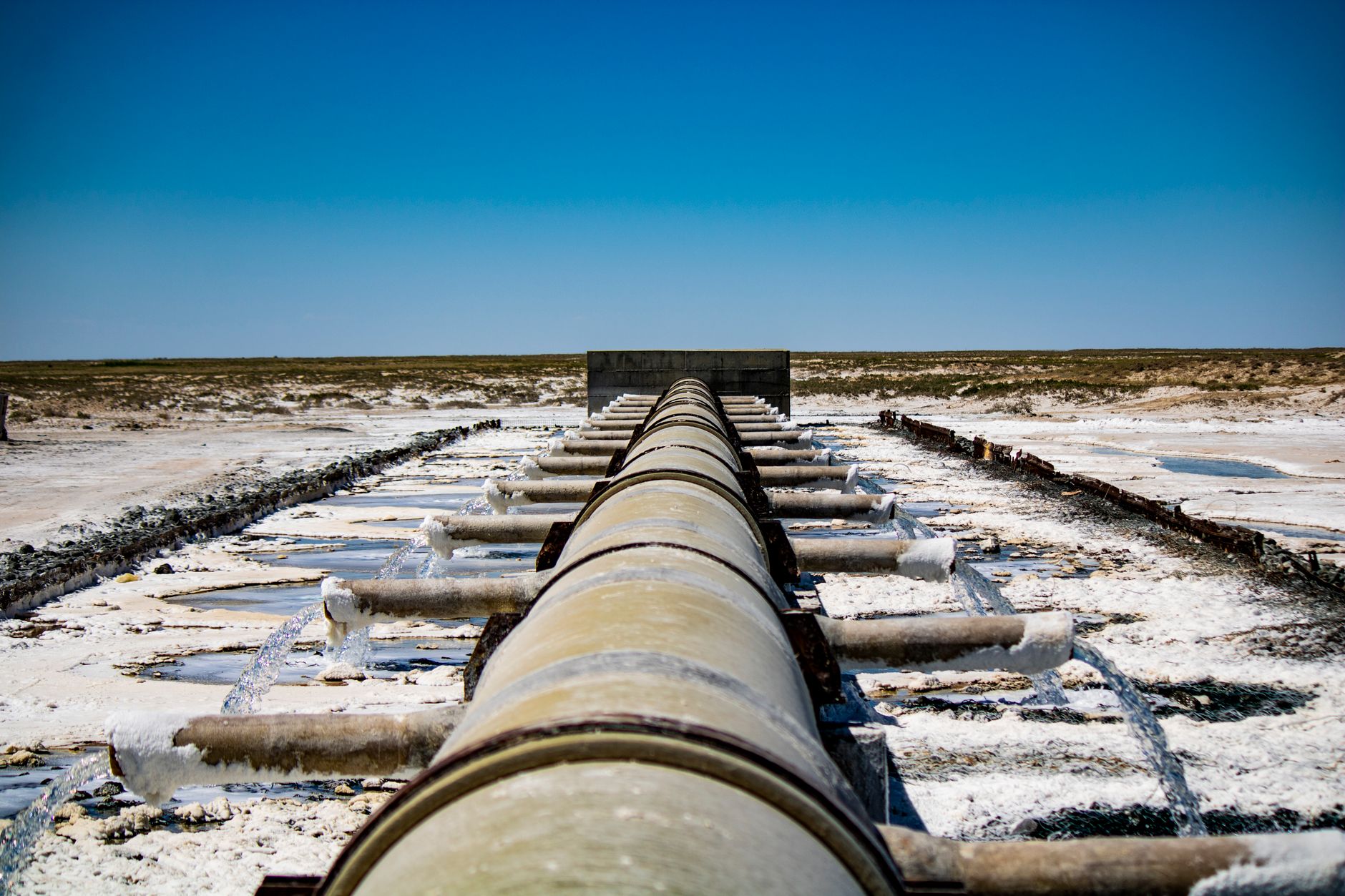
That calculus shifted as the scale of water reuse projects grew and as private operators – particularly in California, Texas, and Arizona – began structuring easement portfolios large enough to attract institutional interest. Rather than individual easements, pension funds are typically buying into pooled vehicles that aggregate dozens of easement positions across a watershed or regional system. This pooling provides diversification across counterparties, geographies, and water use categories, reducing the idiosyncratic risk that made early single-easement positions unattractive.
The regulatory environment has also become more favorable. Several western states have updated their water codes to formally recognize reclaimed water as a distinct property right, separate from the original wastewater stream. This legal clarity matters because it allows easement holders to enforce their rights more precisely and gives courts a cleaner framework for resolving disputes. Without that clarity, institutional investors faced legal ambiguity that made the asset class difficult to underwrite.
Pension funds active in adjacent infrastructure asset classes – geothermal surface leases, for example, carry similar long-horizon, real-asset characteristics – are finding that the due diligence frameworks they have already built translate well to water easements. The same questions apply: Who is the counterparty? What is the regulatory backstop? How does the income escalate over time? Teams that have already worked through those questions in energy contexts are applying the same logic to water, and the familiarity is accelerating deal flow.

There is still a genuine tension at the center of this trade. Water is a public good in most legal systems, and the privatization of water-adjacent rights – even indirect ones like easements over reuse infrastructure – carries political exposure. Municipal governments that signed easement agreements during budget-constrained periods may revisit those terms as water becomes more valuable, and regulatory changes could alter the economics of reclaimed water pricing in ways that pressure returns. A pension fund holding a 75-year easement signed in 2019 is betting that the political and regulatory environment in 2094 will still honor the original terms – which is, by any honest measure, a significant assumption.