
Pension funds managing retirement savings for teachers, municipal workers, and state employees are quietly buying into hydrogen pipeline easements – a niche category of infrastructure rights that most retail investors have never heard of. The positions are small for now, but the pattern is consistent enough to warrant attention.
What a Pipeline Easement Actually Is – and Why It Matters
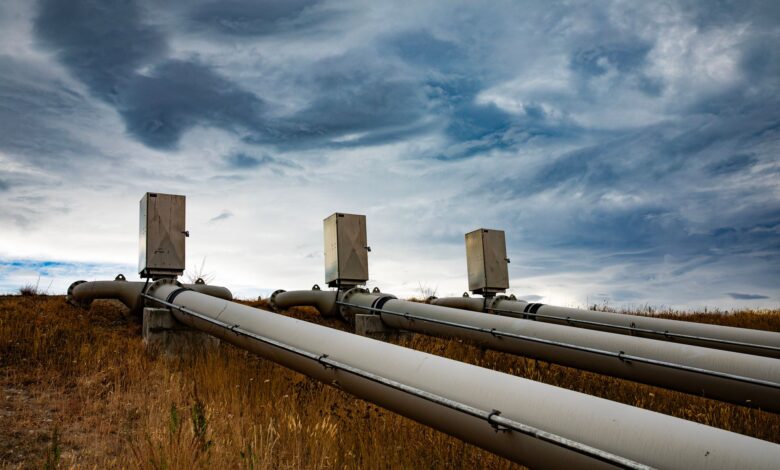
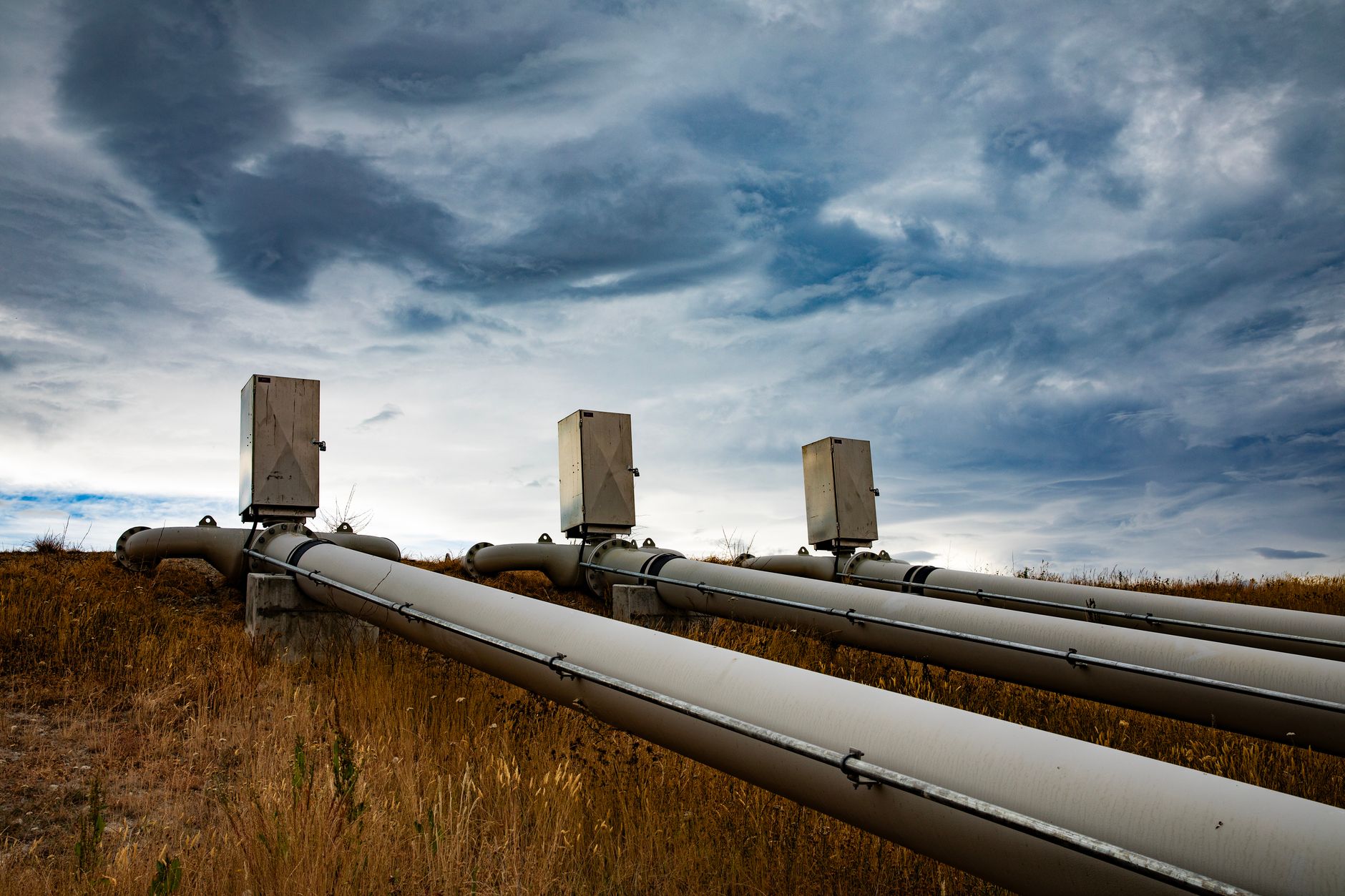
An easement grants the holder a legal right to use a specific strip of land for a defined purpose, typically running a pipeline beneath or across privately owned property. The landowner keeps title, but the easement holder controls what happens in that corridor, sometimes for decades or in perpetuity. Hydrogen pipeline easements specifically cover rights of way for transporting hydrogen gas – either pure hydrogen or hydrogen blended with natural gas – from production sites to industrial users or distribution hubs.
What makes these easements attractive to long-duration investors is their structure. Unlike equity stakes in hydrogen companies, which carry all the risk of a technology bet, easement positions are more like land rights with contractual income attached. The underlying hydrogen infrastructure could succeed or fail, but the land corridor itself retains value as long as any energy transport function exists. If hydrogen doesn’t scale as expected, the same corridor could be repurposed for carbon dioxide sequestration pipelines, natural gas, or fiber optic conduit – all of which have their own commercial demand.
Pension funds are particularly drawn to the long-dated nature of easement contracts. A 40-year easement agreement matches the liability profile of a fund paying out retirement income to workers who are currently in their 30s. Equities are too volatile for that kind of duration matching, and traditional fixed income doesn’t offer the inflation linkage that infrastructure rights tend to carry. Easement fees are often indexed to commodity price benchmarks or CPI, which makes them a natural hedge against the purchasing power erosion that erodes fixed pension obligations over time.
The acquisition process itself rarely involves a public announcement. Easement purchases are recorded at the county level in property records – not in SEC filings, not in earnings calls. A pension fund can accumulate a significant portfolio of hydrogen corridor rights across multiple states without triggering any disclosure that would show up in standard financial news. That opacity is partly why the trend has gone largely unnoticed by the financial press, even as deal activity has picked up noticeably over the past two years.
The Infrastructure Buildout Making These Positions Valuable
Federal energy policy has committed substantial support to hydrogen infrastructure, including funding for regional hydrogen hubs that require transportation networks to move hydrogen from production facilities to end users. Each hub needs a web of pipelines, compressor stations, and metering infrastructure, all of which require easements across private and public land. Pension funds acquiring easement positions now are effectively betting that this buildout proceeds, and that whoever controls the land rights in key corridors will have significant negotiating leverage over hub operators who need those routes.
The geography of existing natural gas pipeline networks is directly relevant here. Hydrogen is notoriously difficult to transport – it causes hydrogen embrittlement in steel pipelines not designed for it, requires different seals and compressor specifications, and has a much lower energy density by volume than natural gas. But existing pipeline corridors are still valuable as physical routes, and a growing number of pipeline operators are exploring blending hydrogen into natural gas streams at low percentages to begin building transport capacity without full infrastructure replacement. Easements covering these corridors become more valuable as that blending percentage increases over time, creating a built-in appreciation dynamic for early position holders.
Pension funds with existing infrastructure allocations – particularly those that already hold positions in geothermal surface leases and other long-dated energy rights – are the most active buyers in this space. They have the legal infrastructure, the due diligence frameworks, and the patience for easement-style investments that other institutional buyers lack. A sovereign wealth fund might want faster liquidity. An insurance company might want simpler credit exposure. Pension funds, particularly those with 20-plus year investment horizons, are structurally suited to sit on a corridor right for a decade before it generates significant cash flow.
Industrial hydrogen demand is the other driver. Steel manufacturers moving toward direct reduction ironmaking, ammonia producers, and large-scale data centers exploring hydrogen fuel cell backup power all represent real and growing end-user demand. That demand creates commercial rationale for pipelines, which in turn creates commercial rationale for easements. The sequence is not speculative – the industrial contracts are already being signed, even if the infrastructure to fulfill them lags by several years.
Pricing for hydrogen pipeline easements varies considerably by location, corridor length, and whether the land sits in a regulated utility territory or in a state with looser pipeline oversight. Corridors connecting major industrial clusters in the Gulf Coast, the Midwest, and the Ohio River Valley command premium prices because they connect existing heavy industry with potential hydrogen supply. Remote corridors in areas without established industrial demand are cheaper but carry more risk of sitting unused. The smartest buyers are focusing on urban-adjacent industrial zones where hydrogen demand is already contracted rather than speculative rural routes.
Risks That Don’t Show Up in the Pitch Deck
Easement investing carries legal complexity that can catch buyers off guard. Landowner challenges, eminent domain disputes, and zoning conflicts can delay or permanently block a pipeline project even after easement rights have been purchased. A fund that holds easement rights on a corridor that never gets built still owns a legal claim, but one with limited practical value. Environmental review processes for new hydrogen infrastructure have grown longer and more contested in recent years, and some corridors have faced local opposition that stalled projects by years.

The technology risk is also real, even if it is partially mitigated by the land-right structure. If green hydrogen costs don’t fall to competitive levels, the volume of hydrogen flowing through new pipelines will be lower than projections suggest, which directly reduces the revenue generated by easement agreements tied to throughput fees. Some easement contracts guarantee a minimum fee regardless of volume – those are worth more than pure throughput-linked agreements. The difference between those two contract structures is exactly the kind of detail that separates sophisticated buyers from those who are simply following a trend without doing the underlying legal work.