
Sovereign Wealth Funds Quietly Accumulate Stakes in Subsea Power Cable Easements


The Quiet Land Grab Happening Beneath the Ocean
Subsea power cables are the circulatory system of the modern energy grid – running electricity between nations, connecting offshore wind farms to onshore substations, and threading through seabeds that no single government fully controls. The legal rights that govern where those cables can go, and who profits from their passage, are called easements. And sovereign wealth funds, the state-backed investment vehicles that manage trillions in national reserves, have been quietly acquiring positions in those rights at a pace that is drawing attention from infrastructure finance circles.
This is not a trend announced in press releases. It surfaces in regulatory filings, in the background of offshore energy project closings, and in conversations about who ultimately holds the underlying asset when a subsea cable consortium forms. The pattern is consistent: large state-linked funds take minority positions in the legal infrastructure – not always the cables themselves, but the access rights that determine whether a cable project can proceed at all.

What a Cable Easement Actually Is
A subsea power cable easement is a legal right to lay, operate, and maintain a cable across a defined stretch of seabed. On land, easements are common – utility companies hold them across private property to run power lines, and they are treated as real property interests with defined market values. Underwater, the framework is more complex. Easements must thread through national territorial waters, exclusive economic zones, and in some cases open ocean regulated by international maritime law. Each jurisdiction along a cable route imposes its own permitting and compensation structure, which means a single cable connecting two countries might require easements negotiated across five or six different legal regimes.
That complexity is precisely what creates the investment opportunity. Because cable easements are difficult to acquire, slow to permit, and tied to geography that cannot be replicated, they carry the kind of defensible scarcity that long-horizon capital prizes. Once a route is permitted and the easement is established, the holder sits at a structural chokepoint. Any future cable along that corridor – whether for power transmission or data – faces the same permitting gauntlet, or must negotiate around the existing right. For a sovereign wealth fund with a 30-year investment horizon, that is an attractive position to hold quietly.
Why Sovereign Funds Are Moving Into This Asset Class
State-linked funds from the Gulf, Scandinavia, and Southeast Asia have all been reported as participants in infrastructure transactions where cable easements form part of the underlying asset base. The appeal aligns with the core mandate most of these funds operate under: preserve national wealth, generate stable long-term returns, and reduce exposure to volatile public markets. Subsea easements check every box. They generate fee income over decades, they are not correlated to equity markets, and they sit upstream of energy transition infrastructure that most governments are now legally committed to building.
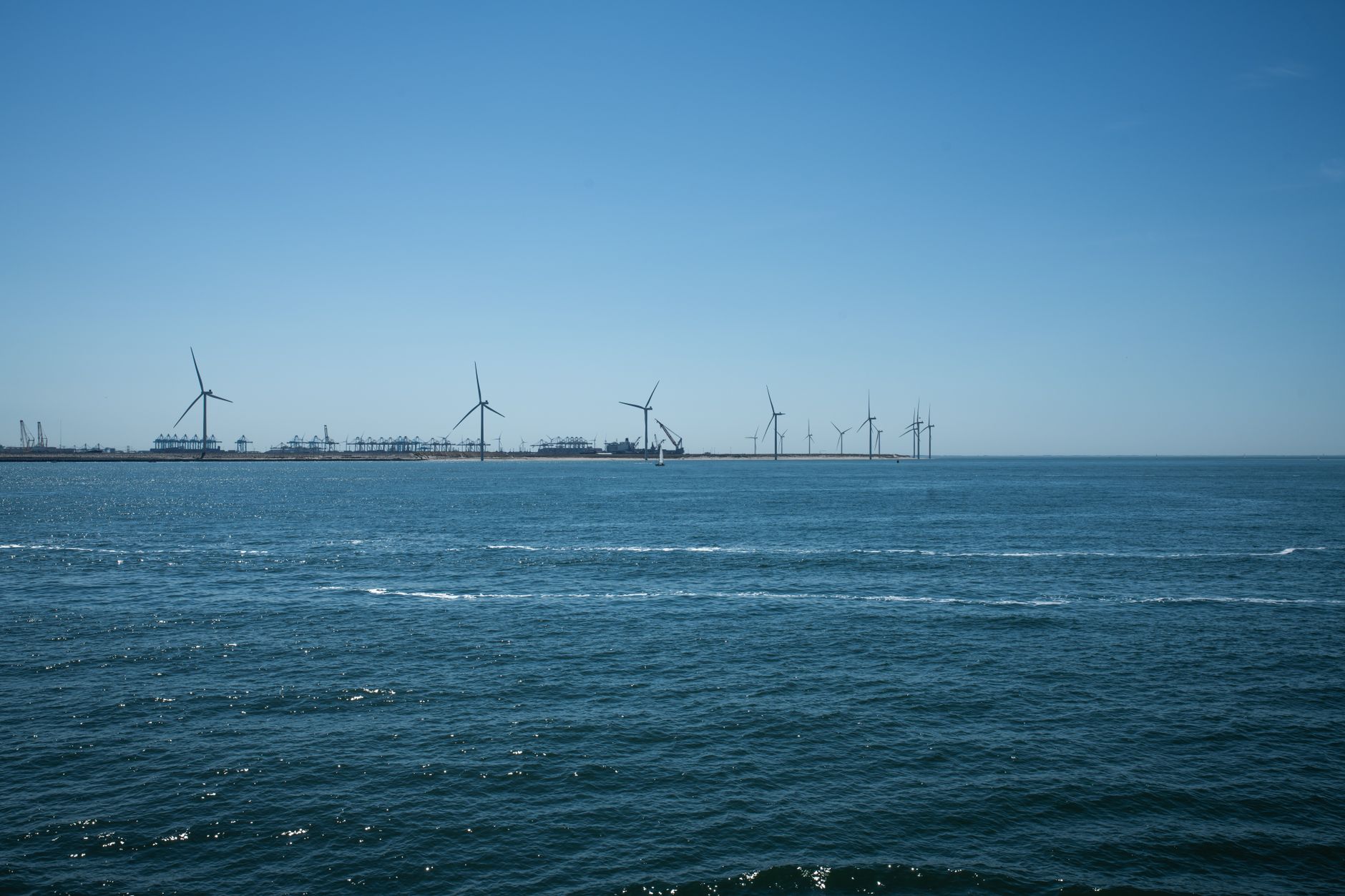
The energy transition piece is particularly relevant. As Europe and Asia accelerate the buildout of offshore wind capacity, the need for high-voltage direct current cables to move that power onshore has grown sharply. Each new offshore wind farm requires a dedicated cable corridor with its own easement chain. Sovereign funds that hold existing easement positions, or that back developers who control those rights, benefit from every new project that must either use the existing corridor or negotiate a new one.
There is also a strategic dimension that goes beyond pure financial returns. A nation whose sovereign fund holds easement positions in critical energy corridors has a quiet form of influence over the energy supply chains of other countries. This is not unique to cables – submarine cable landing rights have drawn similar interest from state-backed capital for similar reasons. But with power transmission specifically, the stakes are higher because the infrastructure is less redundant than data cables and harder to reroute.
The positioning also hedges against future regulatory risk. Governments in Europe and North America are increasingly scrutinizing foreign ownership of critical infrastructure. Easements acquired today, before that regulatory wave fully arrives, may be grandfathered under more permissive frameworks. Funds that move now are essentially buying optionality against a tighter future environment.
How These Deals Actually Get Structured
Sovereign funds rarely appear as the direct buyer of a cable easement. The typical structure involves a fund taking a limited partnership interest in an infrastructure vehicle that in turn holds a portfolio of subsea rights across multiple jurisdictions. This layering achieves two things: it obscures the identity of the ultimate beneficial owner in public filings, and it allows the fund to diversify across multiple cable corridors without concentrating exposure in a single regulatory environment.
In some cases, funds participate at the project company level, taking equity stakes in the entities that develop offshore wind or interconnector projects. Because those project companies hold the easements as core assets, the fund gains indirect exposure without ever appearing in a land registry or seabed permit database as a named rights-holder. The legal architecture is elegant and, in most jurisdictions, entirely within the rules.
The Governance Gap That Makes This Possible
Seabed governance has not kept pace with the commercial value of what lies beneath national waters. Most countries regulate offshore cable easements through a patchwork of maritime law, environmental permitting, and energy sector rules that were written before subsea infrastructure became a genuine asset class. The result is that there is no single registry, no standardized disclosure requirement, and no consistent framework for assessing whether foreign state capital has accumulated a material position in a country’s offshore energy corridors.
That governance gap is starting to attract policy attention. The European Union has been examining rules around foreign investment in critical infrastructure, and subsea cable routes have come up in those discussions. The United Kingdom’s National Security and Investment Act, enacted in 2021, gives the government power to review and block acquisitions in sectors including energy – though the application to subsea easements specifically remains legally untested. The United States has similar review mechanisms through CFIUS, but the offshore seabed sits in a regulatory ambiguity that makes case-by-case review difficult to apply consistently.

What This Means for the Energy Infrastructure Market
For private investors and institutional allocators watching this space, the sovereign fund activity signals a maturing of subsea easements as an investable asset class. When state-backed capital with multi-decade mandates moves into a niche, it typically compresses future returns for late entrants while validating the underlying thesis for those already positioned. The window for acquiring easement positions at pre-competitive pricing is narrowing as awareness grows.
There is a secondary effect on project development timelines. When a sovereign fund holds an interest in an easement that a developer needs, negotiations become more formalized and potentially slower. Funds with state backing are not under pressure to transact quickly, and they can hold out for terms that reflect the full strategic value of their position – not just the financial return. Developers building offshore wind projects are already reporting that the easement negotiation phase has grown more complex and time-consuming than it was five years ago.
The deeper question is whether the seabed is becoming a new front in geopolitical competition for energy infrastructure. Countries that once measured strategic energy assets in terms of pipelines and ports are now watching their exclusive economic zones attract capital from foreign state funds whose long-term interests may not align with domestic energy security priorities. That tension has no clean resolution yet, and the legal tools available to address it were not designed with this specific scenario in mind.