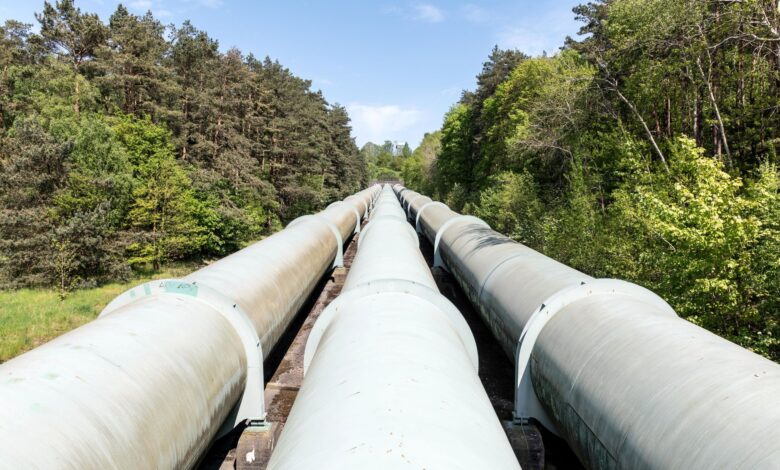
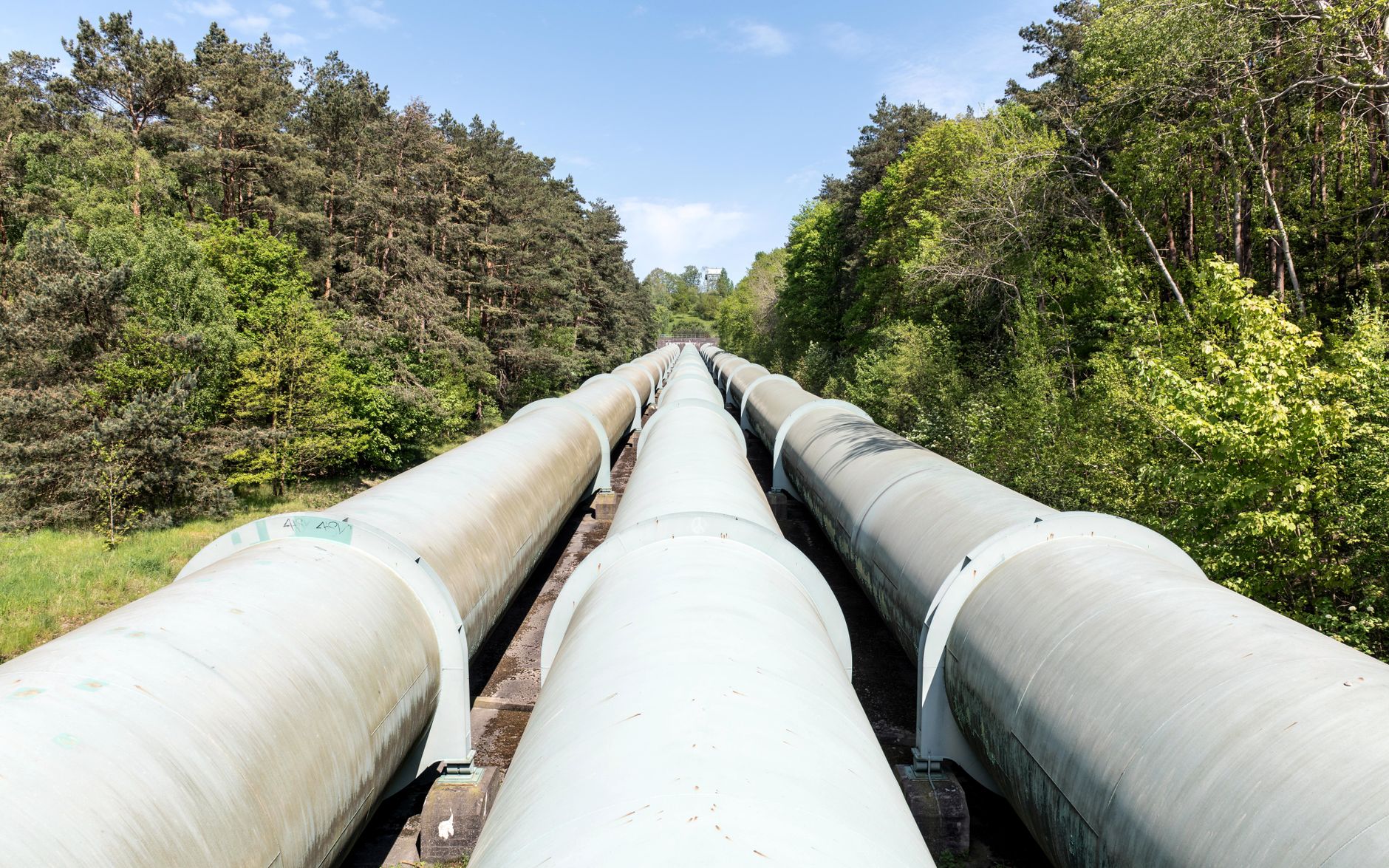
Carbon capture pipelines are not flashy infrastructure. They run underground, they carry compressed CO2, and they exist mostly because federal tax credits make them financially viable. That combination – boring, invisible, and government-subsidized – is exactly what pension funds have been quietly hunting for.
The Asset Class Nobody Talks About
Easements on carbon pipeline corridors work differently from owning the pipeline itself. A pension fund acquiring an easement stake is essentially purchasing a long-term right-of-way interest in a narrow strip of land – the legal permission for a pipeline to exist where it does. These interests generate income through royalty payments, lease fees, and, in some structures, a share of the tax credits generated by CO2 sequestration activity on that corridor. The income is contractual, largely disconnected from commodity price swings, and structured to run for decades.
The appeal is straightforward: pension funds have multi-decade liability horizons. A 30-year carbon easement paying steady quarterly distributions maps almost perfectly onto the payment schedule a pension fund needs to meet obligations to retirees. Unlike equity stakes in energy companies, easement income does not fluctuate with oil prices, earnings surprises, or management decisions. The land right sits below all of that volatility, legally senior to most other claims on the asset.
The IRS Section 45Q tax credit, which pays operators for each metric ton of CO2 captured and stored, has become the financial engine driving carbon pipeline development across the Midwest and Gulf Coast. Infrastructure developers building these corridors need to monetize construction costs quickly, and one mechanism is selling easement packages to institutional investors who want the long-duration income stream without the operational exposure. Pension funds step in as the patient capital, taking the easement interest while the developer retains operational control of the pipe itself.
What makes this particularly attractive right now is the Inflation Reduction Act’s enhancement of 45Q credits, which extended the monetization window and raised per-ton payment rates. That legislative change transformed a niche tax-credit play into something institutional capital could seriously model. A 20-year easement with a creditworthy counterparty paying against enhanced federal credits starts to look less like a speculative infrastructure bet and more like a fixed-income substitute – exactly what underfunded pension systems have been seeking as traditional bond yields have disappointed relative to their actuarial assumptions.

How Pension Funds Are Structuring the Exposure
Direct easement acquisition is one route, but most pension funds are entering through infrastructure fund vehicles or real assets limited partnerships that aggregate easement positions across multiple pipeline corridors. This pooling approach reduces the concentration risk of being tied to a single project – a concern that matters when one pipeline’s permitting dispute can freeze income for years. A diversified easement portfolio across five or six corridors in different regulatory jurisdictions behaves more like an institutional-grade asset class and less like a single project bet.
Some of the larger state pension systems have gone a step further, co-investing directly alongside infrastructure managers to reduce fee drag on positions they’re comfortable underwriting themselves. In these arrangements, the pension fund’s internal infrastructure team takes a direct stake in an easement package while the fund manager handles legal diligence, land records review, and ongoing asset management. The economics are better, but the operational requirements are substantially higher, and only pension funds with mature internal infrastructure capabilities are executing at this level.
The counterparty risk question is worth examining carefully. An easement’s income is only as good as the pipeline operator’s willingness and ability to keep paying. Many of the large-scale carbon capture corridors under development are backed by major agricultural processors, ethanol producers, and fertilizer manufacturers that need CO2 transport as part of their own emissions compliance strategies. That industrial demand creates a real commercial reason for the pipeline to operate and pay – it is not purely dependent on carbon credit markets or regulatory goodwill. That structural demand underpinning is something pension allocators have pointed to when defending the investment thesis internally.
There is a meaningful legal complexity here that doesn’t get discussed in the marketing materials. Easement law varies significantly by state, and in several Midwest states, the legal framework governing carbon pipeline easements is still being written. Iowa, South Dakota, and Illinois have all seen legislative battles over eminent domain rights for CO2 pipelines, and court challenges have disrupted timelines on multiple projects. A pension fund that assumed a clean legal path to a 30-year income stream is now watching some of those timelines stretch, with payment commencement dates pushed back by injunctions, permit reversals, or landowner litigation.
This is not a dealbreaker for the asset class, but it means the underwriting has to be done with genuine legal rigor rather than relying on the operator’s optimistic project timeline. Pension funds investing through well-resourced infrastructure managers – those with in-house land rights counsel and experience in pipeline regulatory proceedings – are better positioned than those relying on generalist private equity shops that stumbled into the space following the IRA’s passage. The difference in diligence quality between those two approaches will likely show up in realized returns over the next decade. This pattern of institutional capital diversifying into infrastructure rights is visible in other corridors too – pension systems have been similarly accumulating positions in compressed air energy storage leases, where the long-duration income logic is nearly identical.
The Political Variable No Model Can Price
Carbon capture infrastructure exists at the intersection of energy policy and climate policy, which means it is unusually exposed to political cycle risk. The 45Q credit structure that makes these easements financially attractive could be narrowed, restructured, or eliminated in a future budget reconciliation process. A pension fund buying a 30-year easement today is making an implicit bet that federal support for carbon capture remains durable across multiple administrations – a bet that is not obviously wrong, since carbon capture enjoys bipartisan industrial support from fossil fuel states, but is also not obviously right given the volatility of energy policy over the past decade.
The more immediate question is whether the pipeline corridors that have attracted pension capital will actually get built. Several of the most heavily subscribed projects are still in active permitting battles, and at least two large Midwest CO2 pipeline proposals have been shelved or indefinitely delayed following landowner opposition and state-level regulatory friction. A pension fund that has committed capital to an easement position on a corridor that never breaks ground is holding a legal interest in land rights with no cash flow, no clear exit market, and significant uncertainty about when – or whether – the income stream begins.
Frequently Asked Questions
What is a carbon pipeline easement?
A carbon pipeline easement is a legal right-of-way interest that allows a CO2 pipeline to operate across a piece of land, typically generating royalty or lease income for the rights holder.
Why are pension funds interested in carbon pipeline easements?
The income is contractual and long-duration, aligning well with pension funds’ multi-decade liability schedules, and it is largely supported by federal Section 45Q tax credits rather than commodity price movements.
What are the main risks of investing in carbon pipeline easements?
Key risks include legal uncertainty around easement law in several states, active permitting battles that can delay or cancel projects, and potential changes to the federal tax credits that underpin the income structure.