
The Quiet Land Rush Beneath LNG Infrastructure
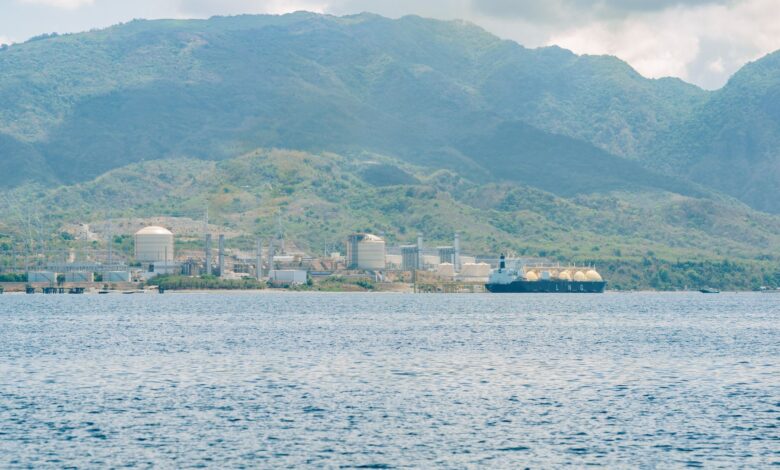
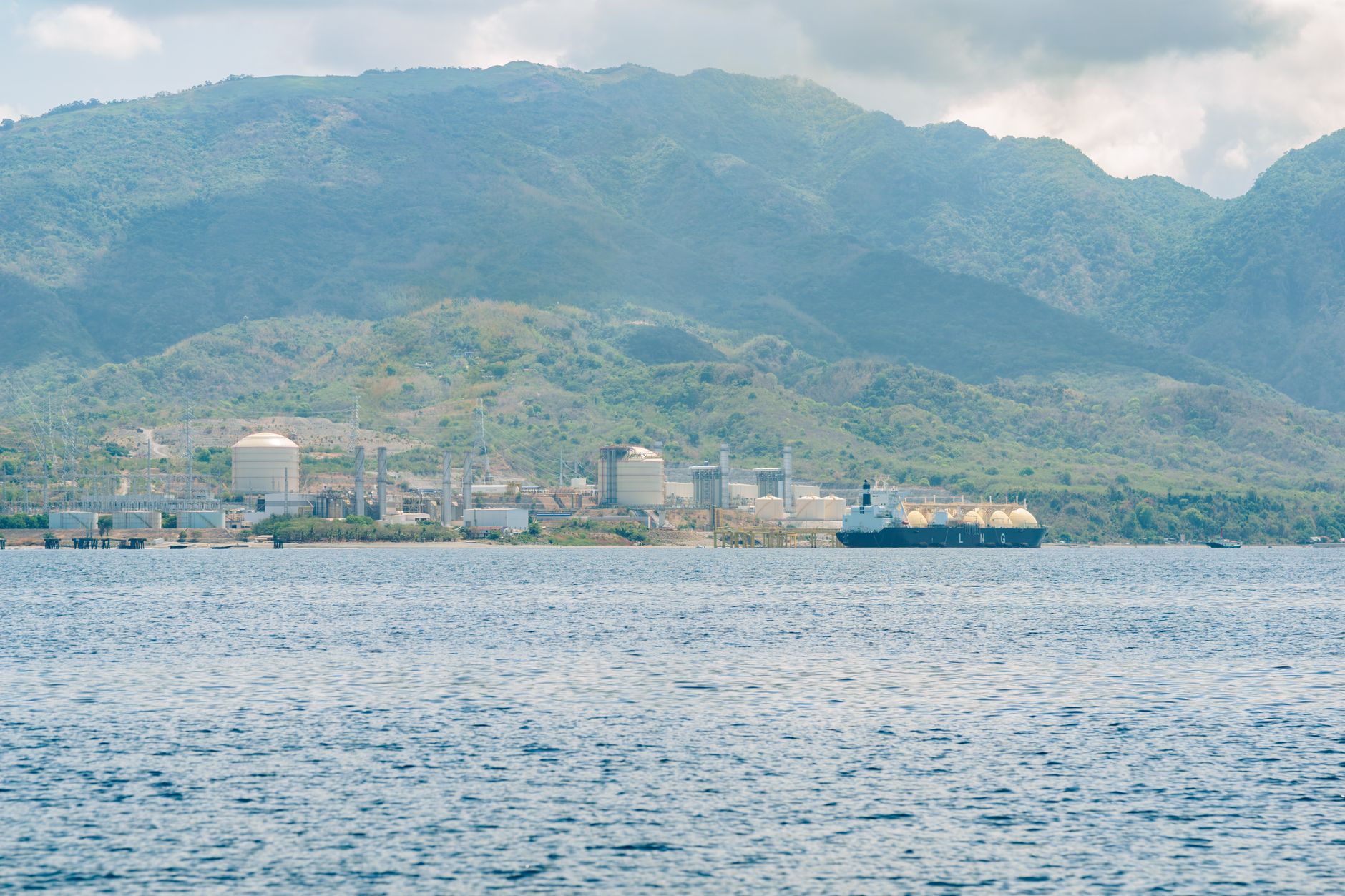
Sovereign wealth funds have spent years building positions in conventional energy assets – pipelines, refineries, tanker fleets. Now a more specific target has drawn their attention: the easement rights tied to liquefied natural gas terminals. These are not the terminals themselves, but the legal access corridors, subsurface rights, and land-use agreements that make terminal operations physically possible. It is a narrow slice of infrastructure law, and that narrowness is precisely what makes it attractive.
An LNG terminal easement grants the holder specific rights over land – rights to lay pipes, run cables, maintain buffer zones, or restrict competing development nearby. Without those easements, a terminal cannot function. That dependency creates a durable income stream: terminal operators pay recurring fees to easement holders, and those payments are typically indexed to throughput volumes or inflation, not spot gas prices. The result is an asset that behaves more like a toll road than a commodity position.
Several Gulf sovereign funds, along with at least one major Asian state investor, have reportedly been acquiring minority stakes in easement portfolios assembled by mid-market infrastructure firms.
Why Easements, Why Now
Global LNG demand has been on a sustained upward trajectory, driven by European energy diversification following supply disruptions from Russia and by industrial expansion across South and Southeast Asia. New terminal capacity is being permitted and built at a pace not seen in over a decade. Each new terminal requires a fresh web of easements – for marine access corridors, pipeline tie-ins, exclusion zones around cryogenic storage, and road access routes. That construction wave is generating a supply of easement rights that did not exist five years ago.
Sovereign funds are drawn to these positions because they sit at the base of the capital structure. Equity investors in terminal operating companies face volume risk, counterparty risk, and regulatory risk. Easement holders face almost none of that. If a terminal changes hands, is refinanced, or undergoes operational restructuring, the easements survive. They are property rights, not contractual arrangements, and they attach to the land regardless of who operates the infrastructure above it. That legal durability is something equity stakes in operating companies simply cannot offer.
The holding period logic is also compelling in the context of sovereign fund mandates. These institutions manage multigenerational capital and actively seek assets with 30-to-50-year income profiles. A terminal easement granted today will still be generating fees when the current generation of fund managers has retired. That time horizon alignment – between asset structure and investor mandate – is rare in modern infrastructure markets, where most institutional vehicles are structured around 10-to-15-year fund cycles. Sovereign funds can hold direct positions indefinitely, which is a structural advantage no pension or private equity fund can fully replicate.

How the Acquisitions Are Structured
Most sovereign fund entry into this space has not come through direct bilateral purchases. The more common path runs through infrastructure holding companies that have already assembled easement portfolios across multiple terminal sites. A sovereign fund acquires a stake in the holding company, gaining exposure to a diversified bundle of easement rights rather than a single-site position. This structure limits due diligence burden and provides geographic spread across U.S. Gulf Coast, Australian, and Qatari terminal corridors.
Pricing these positions is genuinely difficult. Easements are not traded on any exchange, comparable sales are rare and privately held, and valuation depends heavily on the remaining term of the underlying terminal operating agreements, the throughput commitments from anchor customers, and the legal enforceability of the easement language under local property law. That opacity creates both risk and opportunity. For buyers with the legal and technical capacity to assess these variables, the lack of market pricing means acquisitions can often be completed at discounts to intrinsic value – particularly when sellers are smaller infrastructure developers who need liquidity and lack the patience for a prolonged marketing process.
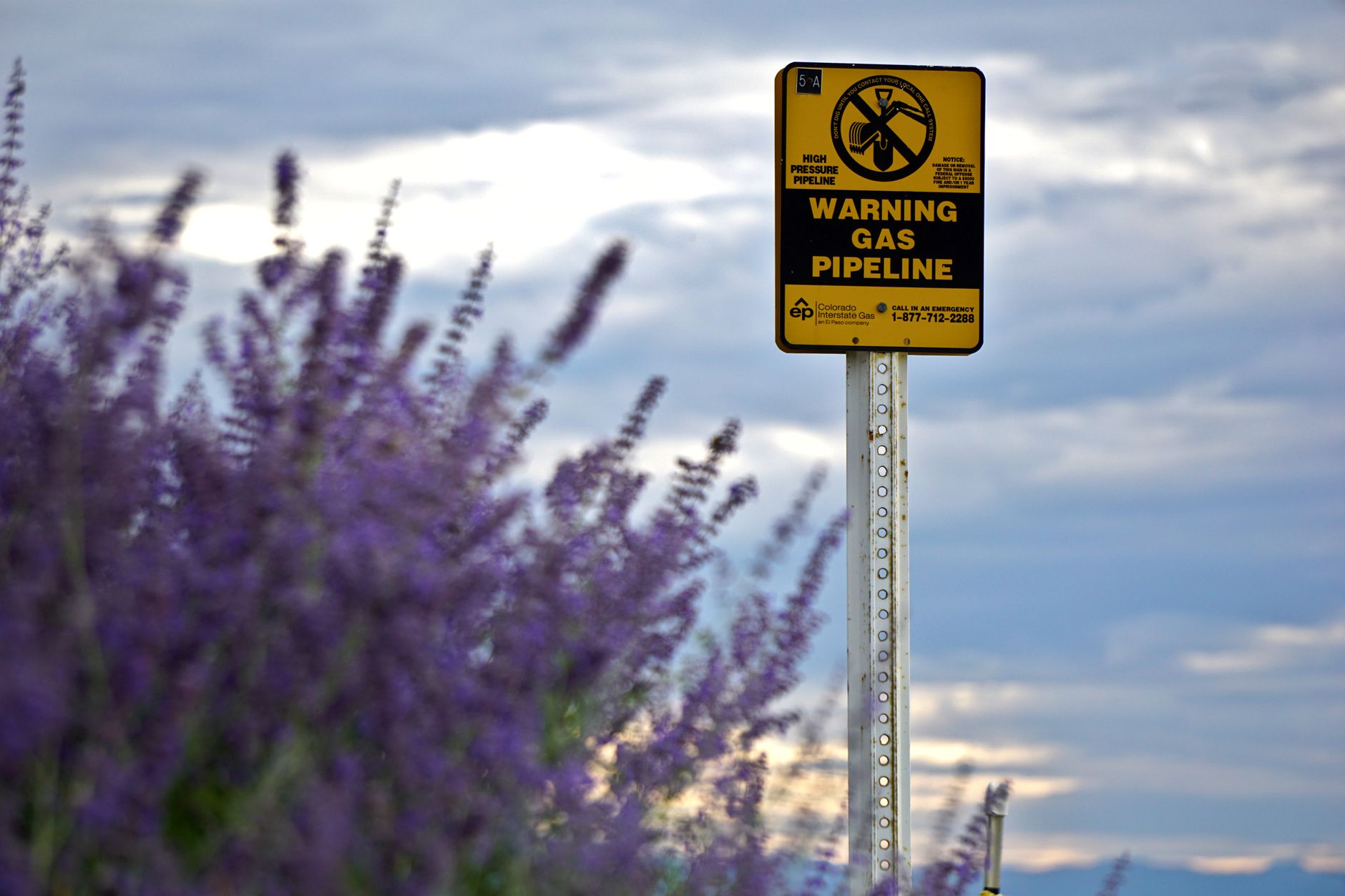
The structure also intersects with a growing body of activity in pipeline capacity rights, where similar logic – durable legal access, fee income tied to throughput, insulation from operating company volatility – has attracted a separate wave of institutional interest. LNG easements are a more specialized variant of the same underlying thesis: own the legal right of way, not the asset that depends on it.
The Regulatory Undercurrent
Foreign sovereign ownership of U.S. energy infrastructure rights sits in a complicated regulatory space. The Committee on Foreign Investment in the United States reviews transactions where foreign government-controlled entities acquire interests in critical infrastructure, and energy terminals fall squarely within that category. But easement rights, because they are not operational control, have historically occupied a gray zone in CFIUS review – one that regulators are now beginning to examine more closely.
Some transactions have reportedly been restructured to insert domestic holding entities between the sovereign fund and the easement portfolio, reducing the direct foreign ownership footprint visible to regulators. This is a legal approach with real precedent in real estate and timber rights, but it carries its own risks: domestic intermediaries add cost, reduce transparency, and create governance complexity that can complicate future exit transactions.
The deeper tension is this: the same feature that makes easements attractive to sovereign funds – their legal permanence and independence from operating company control – is the feature that makes regulators uncomfortable. An easement holder who does not operate the terminal still has significant leverage over it. Withhold consent for a modification, contest a boundary adjustment, or simply delay routine approvals, and terminal operations can be disrupted without ever touching the operating company’s equity structure. Whether existing CFIUS frameworks are equipped to assess that kind of indirect leverage remains an open question that Washington has not fully answered.
The current wave of LNG infrastructure buildout in the United States has a permitting and construction timeline that runs through the early 2030s, meaning the supply of new easements available for acquisition will not contract soon. Sovereign funds that move now are buying into assets whose scarcity value will increase as terminal construction eventually plateaus and the pool of new easements stops growing – at which point the only way to acquire these rights will be to purchase them from another holder, almost certainly at a higher price.